Iran Signals Readiness to Leave Nuclear Non-Proliferation Treaty
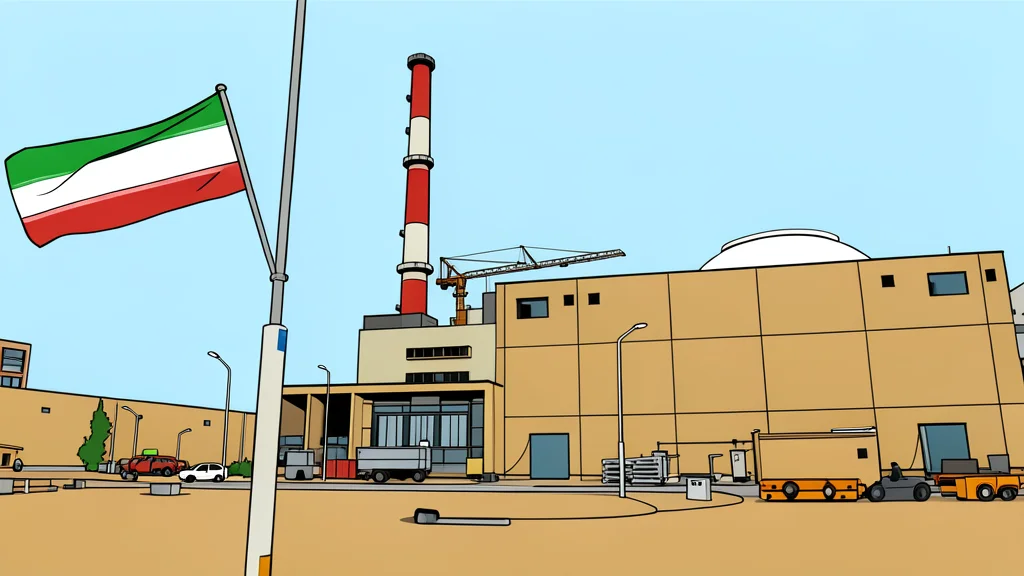
Parliamentary officials suggest Tehran is prepared to exit the NPT and alter its nuclear stance, citing fundamental disputes with Washington.
Tehran has signaled a significant shift in its nuclear posture, with Iranian parliamentary officials stating that withdrawing from the Nuclear Non-Proliferation Treaty is a readily available option. Abbas Goudarzi, the spokesman for the parliament’s presiding board, declared on Sunday that both leaving the NPT and revising the country's nuclear doctrine are 'easily achievable.' This statement marks a notable escalation in rhetoric from a senior legislative figure, suggesting that diplomatic channels with the United States are viewed as fundamentally compromised.
The comments reflect a deepening rift between Tehran and Washington. Goudarzi characterized the differences with the US as 'fundamental,' arguing that those advocating for peace are effectively seeking 'surrender.' He dismissed the possibility of trusting American assurances, describing such reliance as accepting 'deception.' According to the spokesman, only the 'language of force and the logic of power' serves as an effective framework for dealing with the United States, indicating a move away from diplomatic engagement toward a stance of strategic deterrence.
Strategic implications of treaty withdrawal
The Nuclear Non-Proliferation Treaty, which entered into force in 1970, is the cornerstone of the global regime designed to prevent the spread of nuclear weapons. As a signatory and non-nuclear-weapon state, Iran is currently subject to international safeguards on its nuclear activities. A withdrawal would remove these external constraints, potentially allowing Tehran to expand its nuclear program without the oversight of the International Atomic Energy Agency. Analysts note that such a move would likely trigger severe international consequences, including further sanctions and heightened regional security concerns.
Goudarzi warned that any negotiations which weaken what Iran refers to as the 'resistance front' or allow adversaries to regroup would constitute a 'strategic mistake.' He asserted that exiting the treaty would put the US and its allies 'in their place,' framing the action as a necessary correction to what Tehran perceives as a power imbalance. This rhetoric aligns with broader Iranian narratives that view Western pressure as an existential threat rather than a negotiating position.
Presidential denial of weapons pursuit
Despite the hardline tone from parliamentary sources, Iranian President Masoud Pezeshkian has attempted to distinguish Tehran's official position from these aggressive signals. In an interview with India Today on Saturday, the president denied seeking nuclear weapons, stating that Iran would not have joined the NPT if it intended to develop them. This contradiction highlights the complex internal dynamics within the Iranian leadership, where different factions may employ varying rhetorical strategies to advance their geopolitical goals.
The tension between the president's diplomatic assurances and the parliament’s threat of withdrawal underscores the ambiguity of Iran's current nuclear strategy. While the executive branch seeks to maintain international legitimacy, legislative figures appear to be preparing the legal and political groundwork for a potential break with the global non-proliferation regime. This dual-track approach complicates efforts by other nations to engage in meaningful dialogue with Tehran.
Regional security and future outlook
The situation comes amid heightened tensions in the Gulf, including recent incidents involving commercial vessels. The reference to a 'US attack' on a ship that killed one person and injured three others illustrates the volatile environment in which these nuclear statements are being made. According to reports from the GN auto geopolitics/middle-east: Iran nuclear desk, these diplomatic threats are not abstract but are being weighed against immediate security realities in the region.
Moving forward, the international community will likely monitor Iran's domestic legislative processes for any formal votes or resolutions regarding the NPT. While the statement that withdrawal is 'easily achievable' may be intended as a bargaining chip to pressure the US, the legal and operational steps required to actually exit the treaty are complex. The next few months will be critical in determining whether these remarks are a precursor to a concrete policy shift or a rhetorical maneuver to strengthen Tehran's hand in future negotiations.