Erbil Authorities Attribute City Blasts to Routine Military Training

Kurdish counterterrorism officials stated that recent explosions in the capital were part of standard security operations, aiming to ease public concern amidst ongoing regional tensions.
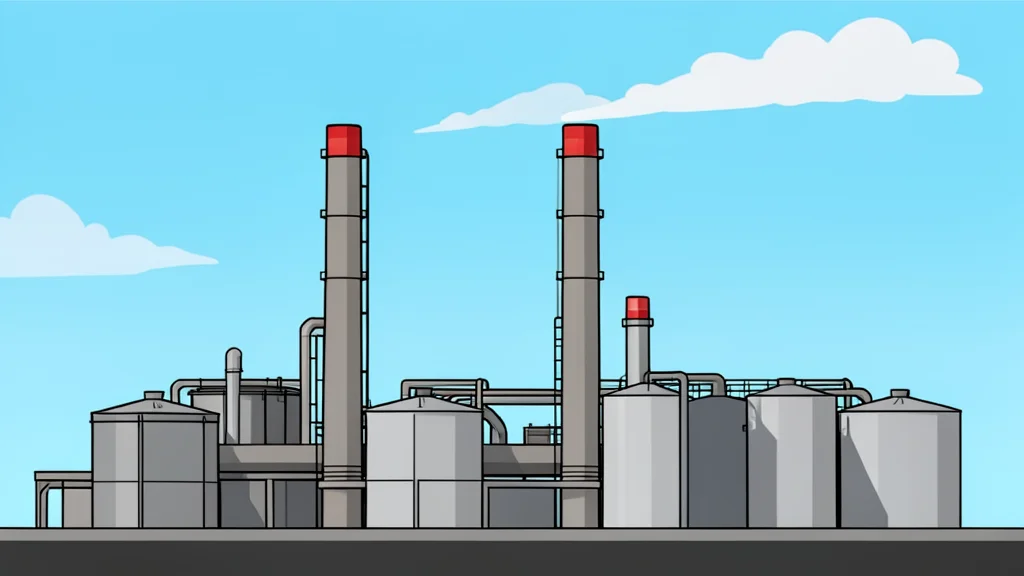
Resident of Erbil reported hearing a series of loud detonations on Sunday, followed by a visible plume of smoke rising into the clear sky. In response to the public concern, the Directorate of Counter Terrorism in the Kurdistan Region issued a formal statement clarifying the source of the noise. The officials described the events as controlled military training and security activities, explicitly noting that they did not pose a threat to civilian safety.
According to the statement released by the counterterrorism force, these operations are a standard procedure for handling military materials. Such controlled explosions are frequently employed in military contexts to safely dispose of unexploded ordnance and neutralize potential explosive hazards. By framing the incident as a routine technical exercise, the authorities sought to distinguish these events from the active combat threats that have characterized the region's recent history.
Context of Regional Tensions
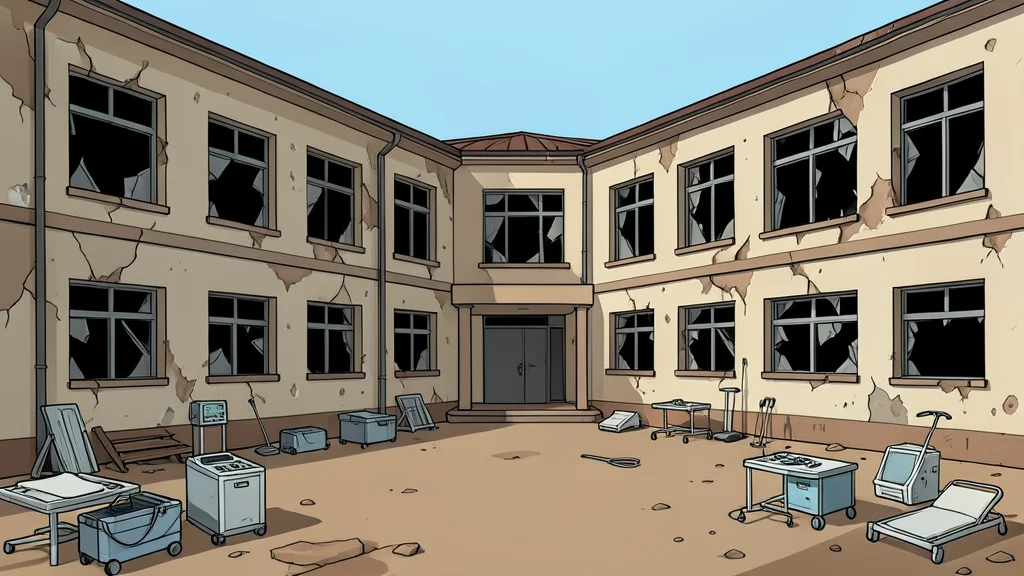
The reassurance arrives during a period of heightened volatility in the Kurdistan Region. In recent months, Erbil has been the target of numerous strikes attributed to Iran and allied Iraqi militias. These attacks have intensified amid the broader escalation of hostilities between the United States and Iran. The frequency of these incidents has heightened anxiety among local populations, making the clarification of non-combat noise sources a priority for local security agencies.
The broader conflict has spilled over into several neighboring countries, including Jordan, Bahrain, and Kuwait. These retaliatory strikes have been linked to previous US military actions targeting Islamic Revolutionary Guard Corps facilities in southern and southwestern Iran. Amidst this cross-border instability, the Kurdistan Region has consistently maintained a stance of neutrality, while simultaneously condemning direct attacks on its territory.
Official Stance on Neutrality
The Directorate of Counter Terrorism emphasized that the recent sounds were strictly related to internal security protocols rather than external aggression. This distinction is crucial for maintaining public confidence in the region's stability. By attributing the blasts to the disposal of unstable munitions, the officials underscored their commitment to managing local security risks independently of the wider geopolitical confrontation.
This approach aligns with the region's long-standing policy of avoiding direct involvement in the US-Iran conflict. While condemning Iranian strikes, Kurdish authorities have worked to keep the broader war from fully engulfing the Kurdistan Region. Clear communication about the nature of local incidents is therefore seen as a vital tool for preventing panic and misinformation during a fragile period.
Monitoring Future Security Developments
As the regional situation remains fluid, observers will watch for any further incidents in Erbil and the surrounding areas. The distinction between routine military maintenance and active combat operations will likely remain a focal point for local media and international analysts. Stakeholders will also monitor whether similar clarifications are issued in other parts of the region where military activities continue.
The forward-looking question centers on whether the current level of tension will lead to further escalations or a stabilization of the security environment. The ability of local authorities to accurately interpret and communicate the source of noises and visual anomalies will be key to maintaining social cohesion. Attention will remain on how the Kurdistan Region navigates its neutrality while protecting its citizens from the spillover effects of the broader conflict.