Hormuz Diplomacy Rekindled as Oil Prices Fall
Gulf Cooperation Council ministers are set to meet Iranian counterparts, signaling a potential thaw in regional tensions that has already driven down crude oil prices.
Diplomatic channels between Iran and its Persian Gulf neighbors have reopened after a period of stalemate, with foreign ministers from the Gulf Cooperation Council scheduled to meet their Iranian counterpart on Monday. According to reports from the Financial Times, this gathering marks the first significant engagement of its kind since recent military escalations and comes as Oman and Iran work to build support for a temporary shipping management agreement.
Market reactions to these developments have been swift, with Brent crude prices dropping nearly three percent to approximately $104.52 per barrel on Friday. The potential for a deal that could normalize traffic through the Strait of Hormuz has eased immediate fears of a prolonged supply disruption, although analysts note that a full resolution remains contingent on broader ceasefire terms.
GCC States Seek Controlled Reopening
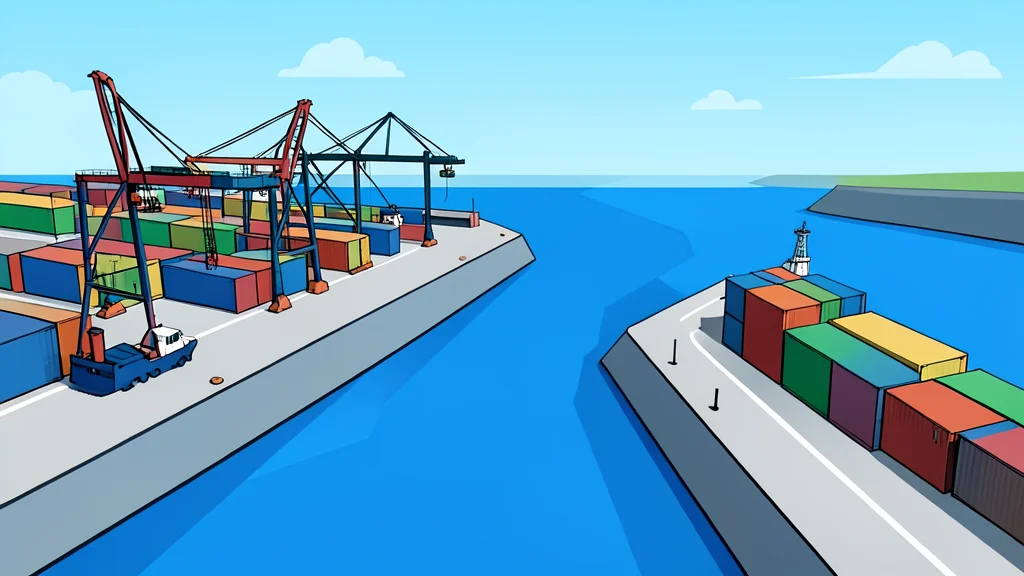
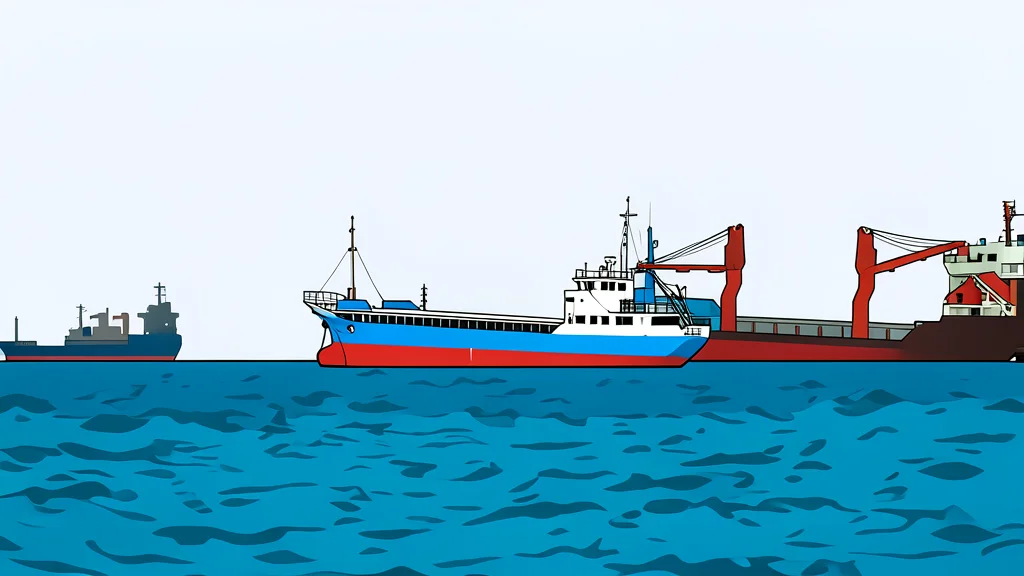
The proposed agreement between Iran and Oman aims to temporarily manage vessel traffic in the strait, a critical chokepoint for global energy supplies. Sources indicate that the primary objective for Tehran is to leverage this framework to persuade the United States to lift its naval blockade of Iranian ports. In contrast, GCC members are focused on ensuring that any arrangement remains temporary and allows for the safe passage of commercial shipping without ceding control to Iran.
However, GCC states remain cautious about recognizing any form of Iranian authority over the waterway. The diplomatic effort is partly driven by the fact that current U.S.-guided flows have only restored two-thirds of pre-conflict export levels, leaving a significant shortfall in global supply. By bringing the GCC on board, Iran hopes to shift the leverage balance, while Gulf neighbors seek to protect their economic interests and maintain stability in the region.
Saudi Arabia Faces Isolated Pressure
While diplomatic efforts focus on Hormuz, Saudi Arabia finds itself in a precarious position regarding threats from Houthi forces in Yemen. According to Axios, Saudi Crown Prince Mohammed bin Salman requested U.S. military strikes against the Houthis following attacks on Saudi tankers and the East-West Pipeline. However, the U.S. administration has declined to open a new front, stating that its forces will remain focused on Iran and the Strait of Hormuz, offering only intelligence support instead.
Saudi Arabia’s reliance on allies for direct military intervention has been further complicated by the stance of Pakistan, a partner under a defense pact. Despite deploying troops near the Yemeni border, Pakistani officials have expressed reluctance to antagonize Iran, given their own dependence on energy shipments through the region. A Pakistani government official noted that Islamabad is prioritizing diplomatic de-escalation to avoid being drawn into a wider conflict.
Forward Watch on Regional Dynamics
The coming days will test the durability of these diplomatic overtures. As noted in coverage by GN auto geopolitics/middle-east: Middle East diplomacy, the success of the Monday meeting will hinge on whether the GCC can align with Iran’s demands without compromising its own security architecture. Observers will closely monitor whether the temporary shipping scheme leads to a broader reduction in hostilities or if it serves merely as a tactical pause before further escalation.
Ultimately, the stability of global energy markets remains tied to the resolution of these competing interests. While the drop in oil prices offers short-term relief, the underlying tensions between Iran, the United States, and regional actors persist. The next few weeks will reveal whether diplomacy can sustain a fragile peace or if military posturing will once again dominate the strategic landscape.