Houthi Advances Reshape Strategic Maritime Control in Yemen

Yemen’s civil war has re-escalated, with Houthi forces seizing key coastal territories and positioning themselves to influence global shipping routes through the Bab el-Mandeb Strait.
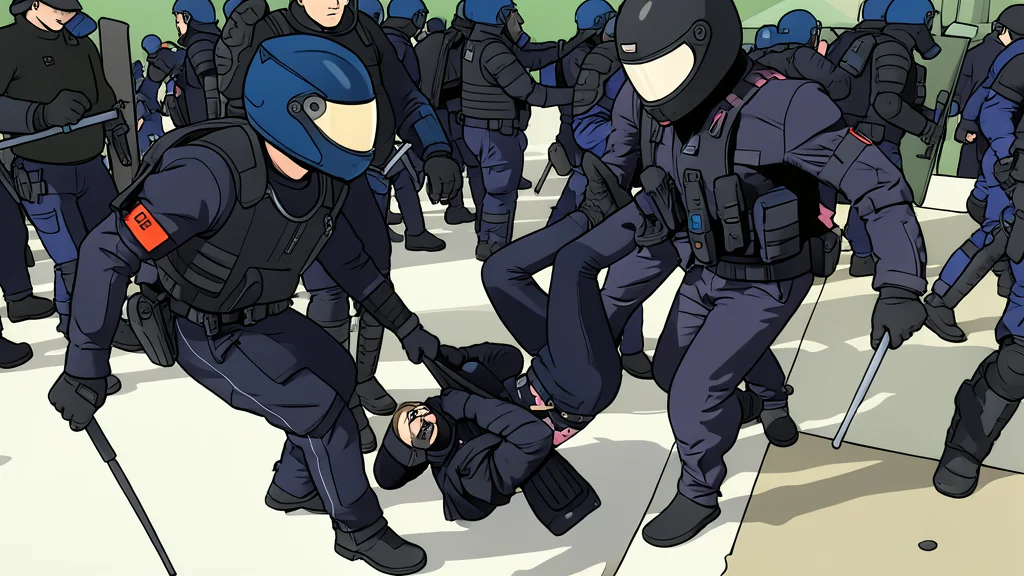
Yemen’s twelve-year civil war has shifted from a frozen conflict to an active front, as Iran-backed Houthi forces have rapidly advanced along the country’s western coast. According to recent reporting, the rebels have seized the port city of Mocha and expanded their control over approximately 2,100 square miles of territory. This resurgence of hostilities marks a significant turn in a conflict that had remained relatively static since 2022, now placing pressure on forces loyal to the internationally recognized government, who are reportedly scrambling to defend the coastal plains despite support from Saudi airstrikes.
The Humanitarian impact of this new phase is already severe. The United Nations Office for the Coordination of Humanitarian Affairs reported this week that 125,000 people have been displaced by the latest round of fighting. As the conflict intensifies, analysts warn that the situation threatens to deepen an existing humanitarian crisis, with the displacement of civilians adding urgency to the geopolitical stakes of the region.
Strategic Control of Key Waterways
The Houthis have claimed control over strategic islands in the Red Sea, including the Hanish Islands and Perim Island, which sit at the entrance to the Bab el-Mandeb Strait. This waterway is a critical chokepoint for international trade, handling an estimated 10% to 12% of global maritime shipping. By securing these positions, the group is effectively consolidating its role as a gatekeeper to one of the world’s most important shipping lanes, a development that has drawn attention from analysts monitoring regional security.
This strategic positioning is occurring against the backdrop of broader tensions in the Strait of Hormuz. As disruptions in that area continue to affect oil prices and shipping routes, the Red Sea corridor has become an increasingly vital alternative conduit for global commerce. The Houthi presence in this area is seen by some observers as part of a broader network of influence, complicating the maritime landscape for nations relying on stable access to these waterways.
Maritime Disruption and Regional Tensions
Houthi military spokesperson Yahya Saree stated last week that maritime navigation remains safe for most companies, with the explicit exception of Saudi vessels. This declaration underscores a targeted maritime blockade announced in July, which adds a layer of complexity to regional trade dynamics. While the group has previously targeted shipping linked to the United States and other Western nations, the current focus on Saudi Arabia highlights the shifting allegiances and strategic priorities within the conflict.
Maysaa Shuja al-Deen, a senior researcher at the Sanaa Center think tank, noted that the Houthi advances place the group in a position to disrupt regional shipping more seriously. She emphasized that even a blockade targeting a single country disturbs the general maritime situation and threatens freedom of navigation. For Saudi Arabia, a key regional ally that has been involved in Yemen since 2015, the collapse of the coastal front is described as a significant setback, with implications for its broader regional influence and security posture.
International Reactions and Diplomatic Stance
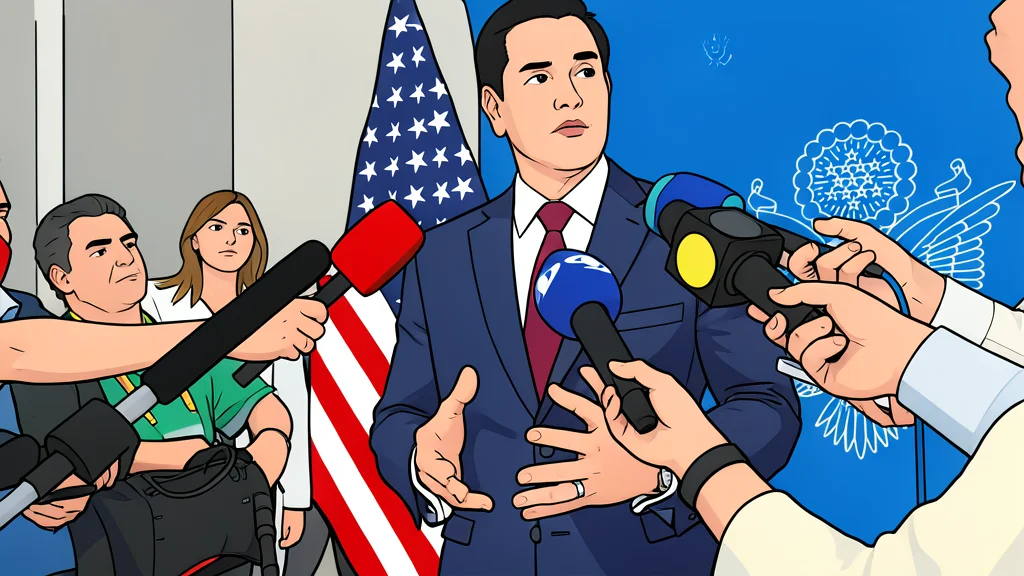
President Donald Trump has downplayed the severity of the situation, stating that discussions have taken place with the Houthis, who have indicated they do not wish to engage in conflict with the United States. He suggested that the current restrictions are limited to one country and expressed confidence that the issue could be resolved diplomatically. This stance contrasts with the more urgent warnings issued by humanitarian organizations and regional analysts, who view the military gains as a long-term threat to stability.
The situation remains fluid, with the Houthis attempting to encircle the city of Taiz while maintaining their hold on the coast. The interplay between military action, humanitarian crisis, and geopolitical maneuvering continues to define the landscape. As the conflict evolves, the focus remains on how these developments will affect global shipping routes and the broader balance of power in the Middle East.