Canada and EU Weigh Deeper Strategic Partnership
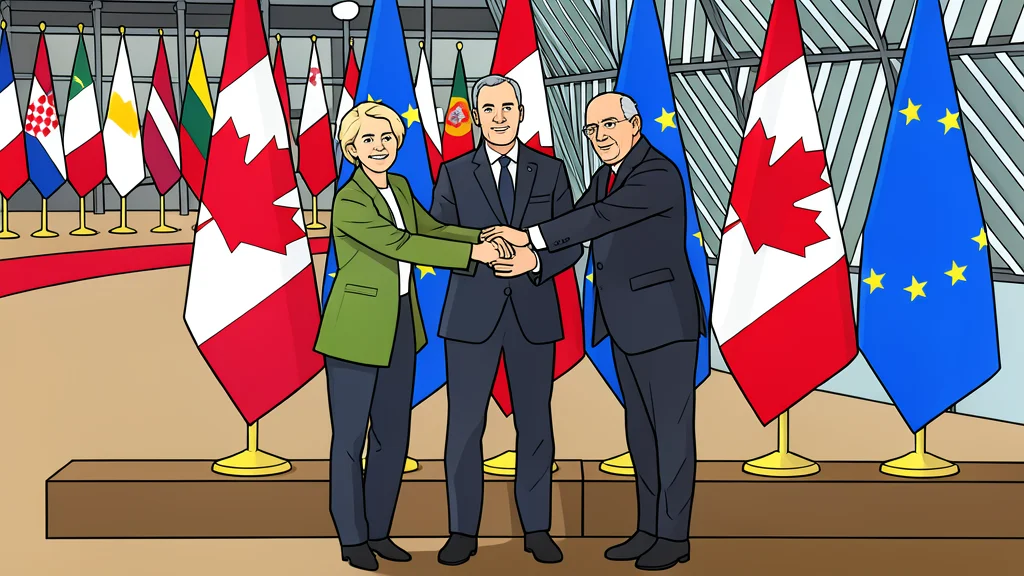
Prime Minister Mark Carney is seeking a 'unique alliance' with Europe, prompting discussions on defense cooperation and economic integration beyond traditional trade frameworks.
Canadian Prime Minister Mark Carney has arrived in Europe with a clear objective: to forge what he describes as a "unique alliance" with the European Union. Ahead of his speech at the European Parliament, reports indicate that Ottawa is exploring the concept of associate membership, a status that would deepen ties without requiring full integration into the bloc. European Commission President Ursula von der Leyen signaled openness to this expanded partnership, emphasizing that democracies have the freedom to choose their collaborators.
The proposed relationship spans a wide array of strategic sectors, including advanced manufacturing, artificial intelligence, quantum computing, and defense production. According to Deutsche Welle, this move reflects a broader shift in geopolitical alignment as both sides look to reduce reliance on traditional security guarantees and strengthen their respective industrial bases.
Defining the Scope of Association
The legal framework for such a partnership remains a subject of debate. While the EU has previously negotiated association agreements with countries like Turkey, Israel, and Ukraine, these deals vary significantly in depth and political implication. Patrick Leblond, an expert on international economic relations at the University of Ottawa, advises caution regarding the terminology used. He notes that it is unlikely Canada would adopt European laws or join the single market and customs union, which would require imposing common external tariffs.
Instead, Leblond suggests that Carney is primarily interested in an alliance that deepens cooperation on economic security and defense. This approach would allow for closer coordination without the bureaucratic complexities of full market integration. The distinction is crucial for understanding the potential long-term implications for trade policy and regulatory alignment between North America and Europe.
Rethinking Defense Procurement Strategies
A central pillar of this emerging partnership is the modernization of defense capabilities. Anand Sundar of the European Council on Foreign Relations points out that Canada currently spends approximately 70% of its defense budget on US-made equipment. Sundar argues that participating in European defense projects could offer better value for Canadian taxpayers, a concept he refers to as getting "more bang for their buck." This shift aims to diversify supply chains and foster joint technological development.
Canada has already joined the EU's Security Action for Europe program, which provides significant loans for the joint procurement of military equipment. While specific rules govern the proportion of components that must originate from within the EU or associated areas, Canada’s participation through a fee-based model allows for somewhat more flexible procurement rules for its companies. However, significant hurdles remain for Canadian firms seeking to integrate fully with European defense industries.
Navigating Regulatory Complexities
The extent to which the EU is willing to relax its internal regulations will determine the success of this initiative. Experts note that any concessions made to Canada could set precedents affecting other non-EU partners, such as the United Kingdom or Norway. The situation highlights the delicate balance between maintaining the integrity of the European single market and expanding strategic partnerships with like-minded democracies.
As Carney outlines his vision in Strasbourg, the focus remains on practical cooperation rather than abstract political promises. The coming months will likely see detailed negotiations on how to structure this alliance, with particular attention to how defense and technology sectors can be aligned without compromising existing regulatory frameworks. The outcome will offer a significant indicator of the evolving transatlantic relationship and the future of European strategic autonomy.