Indian Seafarer Killed in Hormuz Attack Amid UN Talks
A bulk carrier was hit in the Strait of Hormuz, killing one crew member, as US and Iranian envoys hold indirect talks at the UN.
Key points
- An Indian seafarer was killed and another injured when the bulk carrier Cape Dao was hit by a projectile in the Strait of Hormuz.
- U.S. and Iranian officials held their first indirect talks in months at the UN, mediated by Qatar, amid ongoing diplomatic efforts.
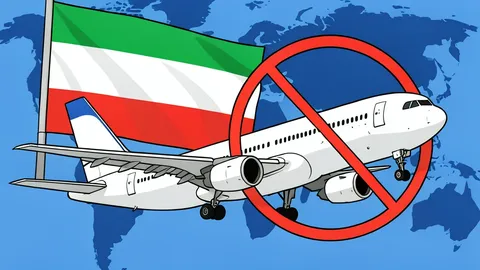
- Commercial shipping traffic in the strait has dropped to two vessels per day, down from 125 before the conflict began in February.
An Indian seafarer has died and another was injured after a bulk carrier was struck by an unidentified projectile in the Strait of Hormuz. The incident, reported by UK Maritime Trade Operations, occurred early Wednesday morning and resulted in a fire that forced the crew to abandon the vessel.
This fatal attack occurs at a critical juncture as U.S. President Donald Trump and Iranian officials pursue diplomatic channels at the United Nations. The clash between military escalation and diplomatic engagement highlights the precarious state of security in one of the world's most vital shipping chokepoints.
Cape Dao Struck During Transit
The vessel, identified as the Antigua and Barbuda-flagged bulk carrier Cape Dao, was hit at approximately 06:30 UTC while transiting the strait. According to Lloyd’s List, the ship was not listed as non-compliant by Iran’s Persian Gulf Strait Authority. The Indian Embassy in Oman confirmed that 19 Indian nationals were among the crew, with one fatality and one injury.
Authorities are currently investigating the incident, and no immediate environmental impact has been reported. The Indian mission is coordinating with Omani authorities and the recruitment agency to assist the affected families. This event marks a significant escalation in the human cost of the ongoing regional conflict.
Diplomatic Efforts at the UN
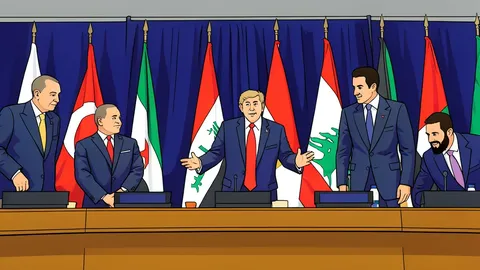
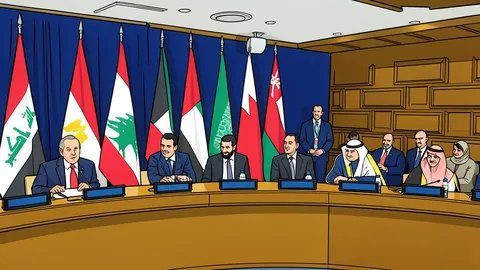
While the attack unfolded, U.S. envoys Steve Witkoff and Jared Kushner held indirect talks with Iranian Foreign Minister Abbas Araqchi via Qatari mediators. These were the first indirect contacts in months, aimed at finding a path to end the nearly seven-month conflict. Neither side announced a change in their negotiating positions during the session.
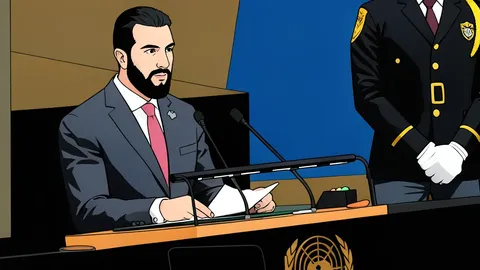
President Trump, addressing the General Assembly, coupled these diplomatic efforts with a warning that the United States could escalate military action if an agreement is not reached. He expressed belief that a deal remains possible, though the simultaneous violence in the strait underscores the difficulty of bridging the gap between rhetoric and reality.
Shipping Traffic Plummets
The security environment for merchant shipping has deteriorated sharply, with commercial traffic in the Strait of Hormuz dropping to a fraction of pre-conflict levels. Preliminary data indicates that only two commodity vessels crossed the strait on Monday, compared with approximately 125 large commercial vessels per day before February 28. These figures do not account for ships operating with their transponders switched off.
The International Maritime Organization has verified 80 attacks in and around the strait since late February, resulting in at least 22 seafarer deaths. Secretary-General Arsenio Dominguez warned that civilian vessels are increasingly being drawn into regional conflicts. The Cape Dao incident adds to this growing toll, prompting renewed calls for international attention to maritime safety.