Iran Executes Dozens of Protesters Amid International Condemnation
Human Rights Watch reports a surge in executions of young protesters in Iran, citing vague security charges and rapid trials that have drawn sharp criticism from global human rights monitors.
Iranian authorities have carried out a significant number of executions against individuals linked to recent protest movements, according to a report published by GN geopolitics/rights (en-US). The organization details how at least 59 men were put to death between March and August 2026, with many of them convicted on politically motivated charges that critics describe as vague and insufficiently substantiated.
The report highlights that a substantial portion of those executed were teenagers or in their early twenties, including individuals arrested during the widespread demonstrations from late 2025 to early 2026. Human Rights Watch and its partners state that these proceedings often relied on confessions obtained under duress, raising serious concerns about the fairness of the judicial process and the intent behind these state actions.
Rapid Trials and Public Sentencing
Among the cases detailed is that of a 21-year-old karate champion who was arrested, convicted, and executed in less than four months. His alleged offense included minor acts of property damage during a protest. This case exemplifies a broader pattern where summary proceedings are used to expedite convictions, leaving little room for legal defense or appeals. The speed of these processes has been described as a method to suppress dissent rather than administer justice.
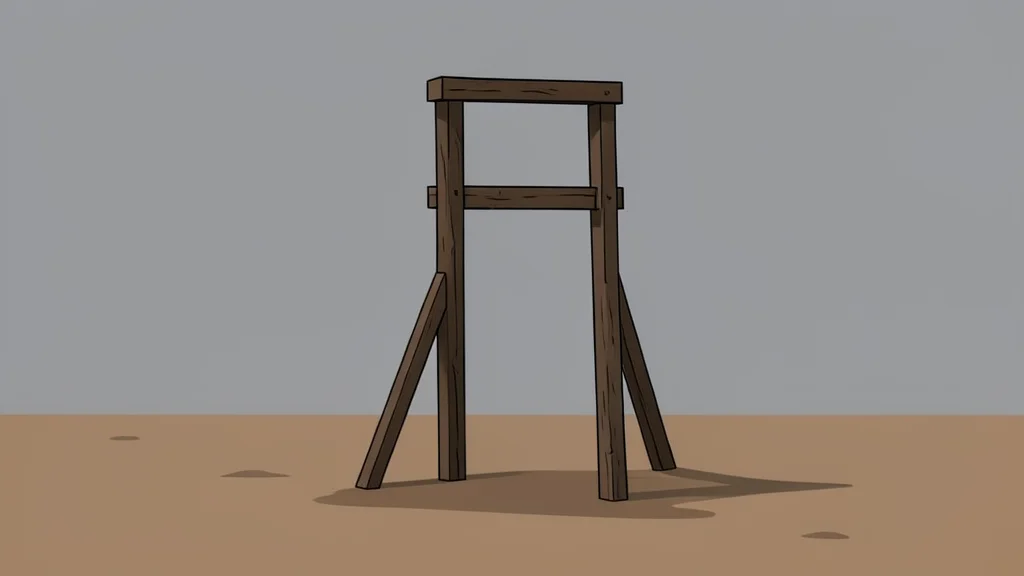
Public executions have also become a notable feature of this crackdown, with five such incidents reported in the period under review. Observers suggest that these public displays serve a dual purpose: punishing the accused and instilling fear in the general population. By making the consequences of protest visible and severe, authorities aim to deter further participation in political movements.
International Pressure and Diplomatic Responses
Human Rights Watch has called upon United Nations member states to increase diplomatic pressure on Iranian leadership to halt the execution campaign. The organization argues that international isolation and targeted sanctions are necessary to compel the government to respect human rights standards. Without such external pressure, the report warns that the trend of using the death penalty as a political tool is likely to continue.
Diplomats and human rights advocates are monitoring the situation closely, looking for signs of whether other nations will impose new restrictions or engage in dialogue. The effectiveness of these measures remains uncertain, as the Iranian government has historically resisted external interference in its internal security matters. The balance between diplomatic engagement and punitive measures is a key variable in the coming months.
Ongoing Risks for Detained Individuals
Scores of other protesters and political dissidents remain in detention, facing imminent risk of execution. This group includes women and individuals whose co-defendants have already been executed. The report underscores the precarious legal status of these detainees, who often lack access to independent legal counsel. The uncertainty surrounding their fate adds to the climate of fear within the country.
The forward question remains how the international community will respond to these continuing violations. Will diplomatic efforts lead to a halt in executions, or will the cycle of repression persist? The coming weeks will be critical in determining whether global pressure can alter the trajectory of Iran's judicial practices and protect the rights of those currently detained.