Iran Mobilizes Volunteers Amid Escalating Tensions
Tehran hosts a massive rally for a new volunteer force as economic pressure and regional conflict intensify.
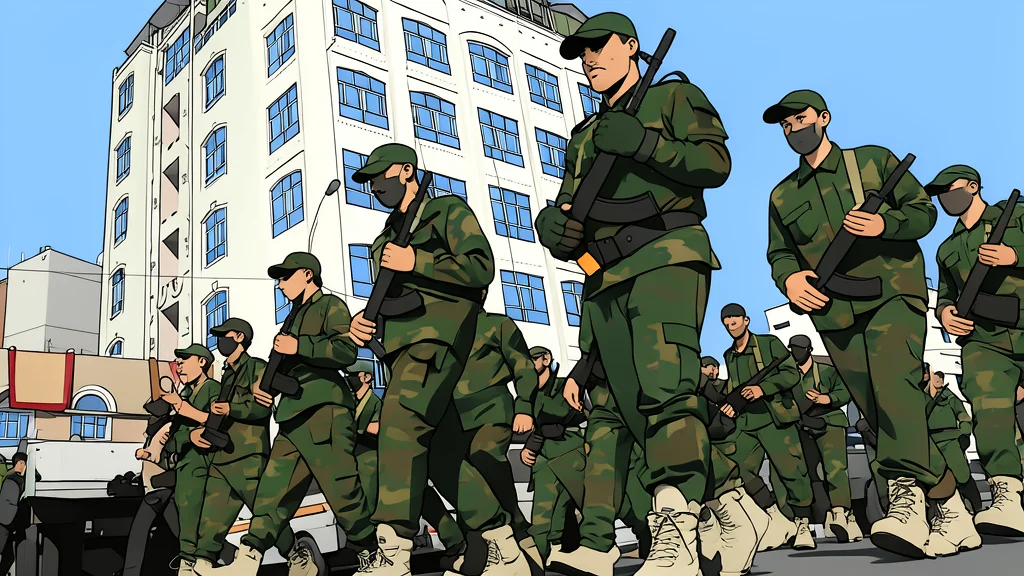
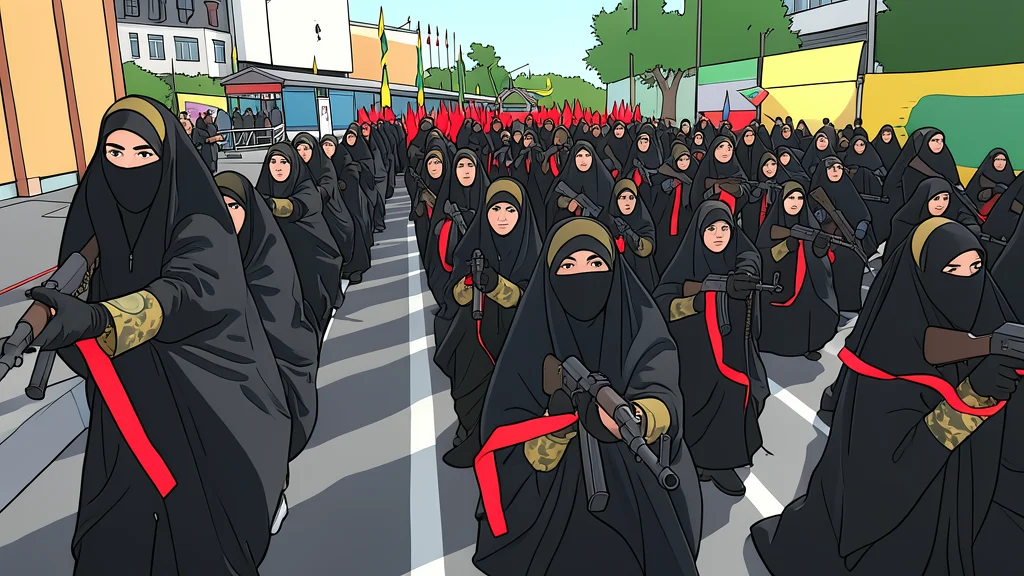
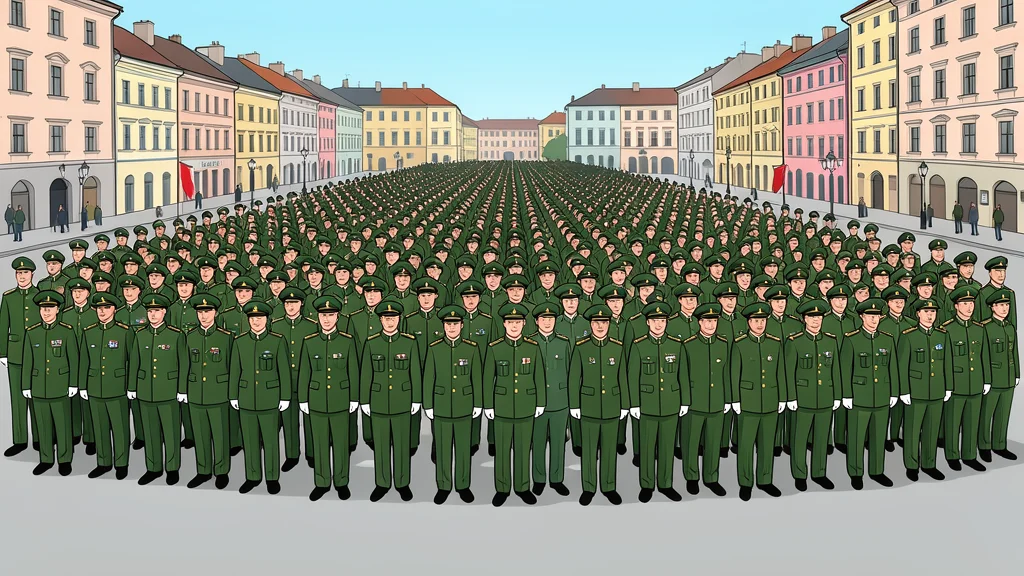
Hundreds of thousands of people gathered in Tehran on Friday for a government-organized demonstration that authorities describe as the largest show of defiance against the United States since the start of the current conflict. The event featured the unveiling of a newly formed volunteer force, with participants marching through the city center in combat uniforms, some carrying flags and weapons while military hardware was displayed nearby.
According to Iranian officials, 313,000 individuals attended the rally in the capital, although independent verification of these figures is not possible. The event was part of a broader campaign titled Janfada-ye-Iran, which translates roughly to 'Those who sacrifice their lives for Iran.' Senior leaders, including President Masoud Pezeshkian and Basij head Hossein Taeb, addressed the crowd, framing the mobilization as a necessary step for national defense and unity.
New Volunteer Force Structure
The newly announced volunteer unit is designed to serve as an additional security layer for the Islamic Revolutionary Guard Corps and the Basij militia. According to state reports, these volunteers will undergo limited training in military and emergency response tasks. Hassan Hassanzadeh, the chief of the Tehran IRGC, stated that over 600,000 people had registered for the campaign, with expectations that more than one million would eventually participate in the training programs.
Hossein Taeb described the volunteers as ready for full-fledged defense, characterizing them as a significant deterrent to Iran’s adversaries. Al Jazeera correspondent Sinem Koseoglu reported from the scene that the mobilization is intended to demonstrate national solidarity and readiness. She noted that the participant base includes women and teenagers, reflecting a broad societal involvement in the state’s defensive strategy.
Economic Pressure And Political Context
The rally took place against a backdrop of severe economic strain caused by the US naval blockade of Iranian ports and new sanctions. Esmaeil Baghaei, the Foreign Ministry spokesman, condemned these measures as a brutal economic war designed to inflict suffering on citizens. The US administration recently targeted digital currency networks, alleging they facilitate illicit financial access for sanctioned Iranian entities.
This economic hardship fueled significant protests in December, which posed a challenge to the political system established in 1979. Estimates of casualties from those unrest vary significantly, with the state citing 3,000 deaths while activists report over 7,000. However, the recent conflict involving US and Israeli strikes has allowed authorities to regain political initiative by positioning themselves as a bulwark against external threats.
Strategic Messaging To Washington
President Pezeshkian emphasized that the demonstration was a message of solidarity not only to the United States and Israel but also to the domestic population. He stated that the nation is prepared for any crisis, reinforcing the narrative that Iran remains strong and united despite external aggression. Volunteers at the rally expressed similar sentiments, indicating a willingness to defend the country to the end.
The volunteer mobilization campaign began in early April during the height of regional attacks. According to authorities, more than 30 million people have registered for a potential call-up, representing approximately one-third of Iran’s population of 86 million. This scale of participation underscores the government’s effort to leverage national identity and defensive preparedness in response to ongoing geopolitical tensions and economic isolation.