Iran Nuclear Chief’s Vienna Attendance Blocked by UN Travel Ban
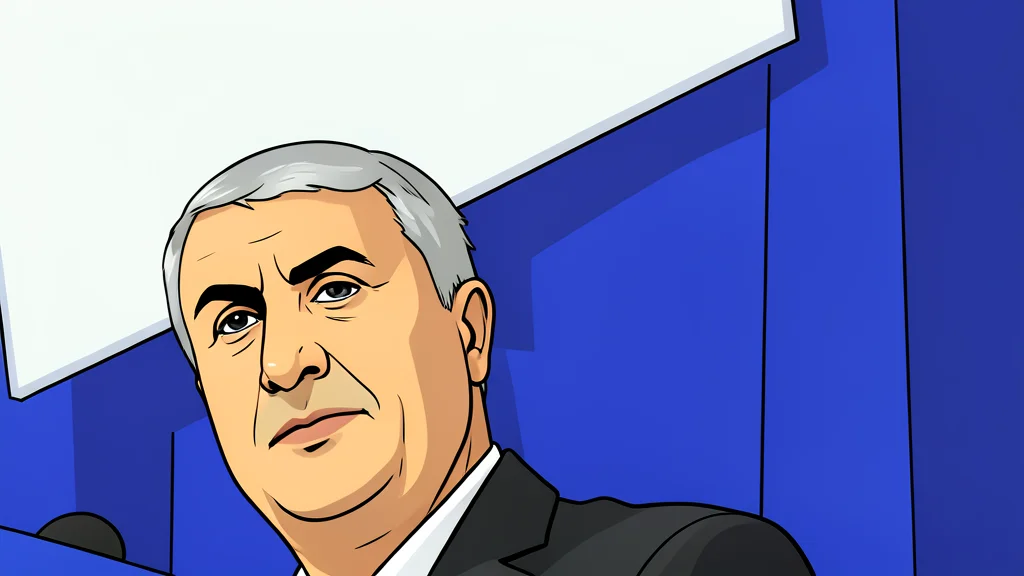
Mohammad Eslami’s absence from the IAEA General Conference highlights deepening tensions and the collapse of cooperation mechanisms between Tehran and the international community.
The head of Iran’s Atomic Energy Organisation, Mohammad Eslami, is not expected to attend the annual General Conference of the International Atomic Energy Agency in Vienna, according to an official briefed on the matter. This absence marks a significant shift, as Eslami has regularly addressed the body since assuming his role in 2021. The exclusion is attributed to a UN travel ban that remains in effect despite diplomatic efforts to secure an exception.
Austria, as the host nation for the UN facilities in Vienna, requested a waiver from the UN sanctions committee to allow Eslami entry for the conference, but the request was denied, the official said. The IAEA General Conference is scheduled to convene from Monday to Friday, where senior officials will review the agency’s budget and discuss critical policy issues, including the status of nuclear safeguards in the Middle East.
Diplomatic efforts fail to secure entry
The denial of the travel waiver underscores the rigidity of the current sanctions regime. According to the source, the sanctions committee did not grant the exemption sought by the Austrian authorities. This development occurs against a backdrop of rapidly deteriorating relations between Iran and Western nations, following the collapse of a fragile ceasefire in July. The US and Iran have resumed intermittent hostilities, further complicating any potential for diplomatic engagement or technical cooperation.
Inspection access remains suspended
Since the strikes on Iranian nuclear sites during the conflict in June 2025, Tehran has withheld access to IAEA inspectors for affected facilities. This lack of cooperation persists despite Iran’s legal obligations under the Nuclear Nonproliferation Treaty to collaborate with the watchdog. Consequently, the IAEA has been unable to verify the current status of Iran’s stockpile of uranium enriched to 60 percent purity, a level described by the agency as technically close to weapons-grade thresholds.
Sanctions framework drives current restrictions
The travel ban affecting Eslami is part of a broader package of UN sanctions reimposed last year. France, Britain, and Germany triggered the snapback mechanism, arguing that Iran had willfully departed from the 2015 nuclear deal. These measures include an arms embargo, asset freezes, and restrictions on nuclear technology production. While Iran maintains that its nuclear program is exclusively for peaceful purposes, the reinstatement of these sanctions has created significant barriers to official travel and international participation.
Despite the official assessment that Eslami will not attend, Iran’s state news agency IRNA reported that he departed Tehran for Vienna to participate in the conference and meet with various representatives. The discrepancy highlights the conflicting narratives surrounding the event. Observers will watch closely for any last-minute diplomatic breakthroughs or statements from the IAEA regarding the absence of Iran’s nuclear chief, as the conference proceeds with discussions on regional security and agency operations.