Iran Accuses US and Israel of State Terrorism at BRICS Summit
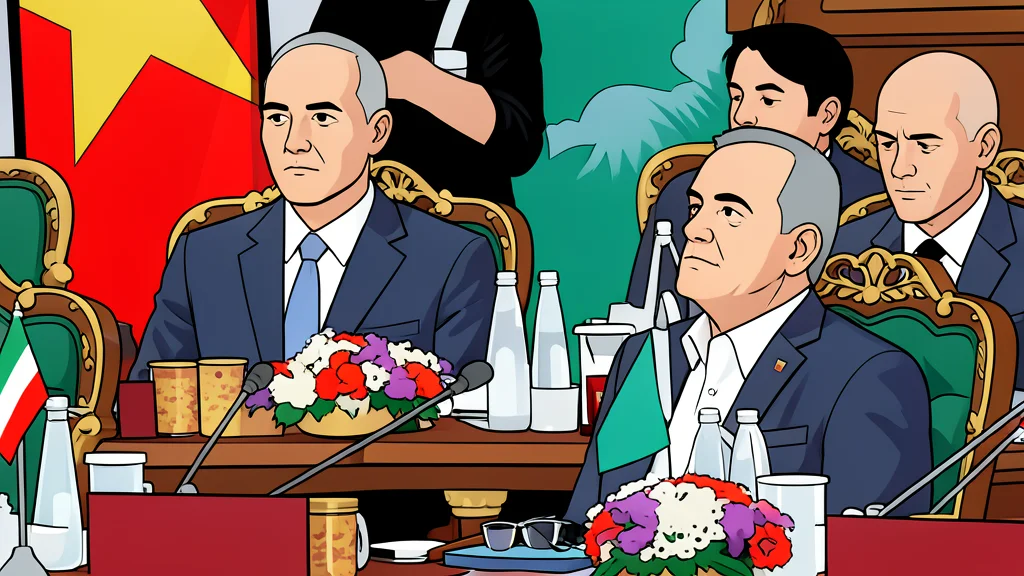
Tensions escalated at the New Delhi summit as Iran labeled Western actions state terrorism, prompting sharp warnings over the Strait of Hormuz.
Iranian President Masoud Pezeshkian leveled severe accusations against the United States and Israel during the 18th BRICS Summit in New Delhi, characterizing their military operations as acts of state terrorism. Speaking to Indian media, the president argued that these nations apply a double standard by targeting civilian populations in Gaza, Lebanon, and Syria while claiming to combat terrorism. His remarks highlighted a growing rift between the BRICS bloc and Western powers regarding the legitimacy of recent military actions in the Middle East.
The comments came just one day after BRICS leaders unanimously adopted the New Delhi Declaration 2026, which called for maximum restraint and diplomacy in the region. While the official document did not explicitly name Washington or Tel Aviv, it condemned attacks on civilian infrastructure and peaceful nuclear facilities. According to reports from GN geopolitics/terror (en-US), Pezeshkian’s intervention added a more pointed dimension to the bloc's collective stance, emphasizing that international law must apply equally to all sovereign states.
Challenges to Western Naval Dominance
Alongside the diplomatic rhetoric, the Islamic Revolutionary Guard Corps (IRGC) issued stern warnings regarding maritime security in the Persian Gulf. Colonel Ali Mohammadi, a senior officer in the IRGC Navy, directly challenged President Donald Trump’s assertion that the United States controls the Strait of Hormuz. He suggested that if Washington truly commands the waterway, it should demonstrate this by deploying a warship within a hundred kilometers of Iranian borders.
Mohammadi warned that any American vessel entering the area would face a robust response, asserting Tehran’s sovereign control over the Strait of Hormuz and the Gulf of Oman. The IRGC maintains continuous surveillance over these strategic chokepoints, which are critical for global oil transport. This confrontation underscores the high stakes involved in regional security, where verbal disputes can quickly translate into tangible threats to international trade routes.
Diplomatic Fractures and Regional Tensions
The Iranian leadership maintains that the attacks by the United States and Israel are not isolated incidents but part of a broader pattern of regional aggression. Pezeshkian cited the destruction of homes, schools, and hospitals as evidence that these operations violate international norms. He argued that labeling victims as terrorists after the fact does not legitimize the use of advanced military technology against civilian targets, a view that resonates with many BRICS members who oppose unilateral coercive measures.
Washington and Tel Aviv have consistently rejected these accusations, maintaining that their military operations are directed exclusively against armed groups and threats to national security. The divergence in perspectives highlights a deepening ideological divide in the global community. As the BRICS bloc seeks to promote a multipolar world order, such confrontations test the limits of diplomatic engagement and raise questions about the future of international cooperation on security issues.
Watch for Escalating Naval Movements
Diplomats and analysts are closely monitoring the situation for any signs of further escalation. The next critical indicator will be the positioning of U.S. naval assets in the Persian Gulf, as any perceived provocation could trigger the strong response warned by Tehran. Additionally, the behavior of other BRICS nations in response to Iran’s accusations will reveal the bloc’s cohesion and its willingness to challenge Western narratives on the global stage.
As the summit concludes, the focus shifts to how these diplomatic statements translate into policy actions. The coming weeks will be crucial in determining whether the rhetoric of state terrorism leads to concrete diplomatic isolation or if a path toward de-escalation can be found. Observers should watch for official responses from Washington and any changes in maritime traffic patterns, which may signal a shift in the regional security landscape.