Philippines Muslim Region Holds First Parliamentary Vote

Nearly 2.4 million voters in the Bangsamoro Autonomous Region cast ballots for their first parliament, a milestone in peacebuilding overshadowed by pre-election violence and allegations of ballot tampering.
The Muslim-majority Bangsamoro region of the southern Philippines held its first parliamentary elections on Monday, marking a significant step toward self-governance after decades of conflict. According to Al Jazeera English, nearly 2.4 million registered voters participated in the historic vote, which aims to replace the interim government with an elected legislative body. The election is viewed as a crucial test of the 2014 peace agreement that ended a long-standing insurgency in the area.
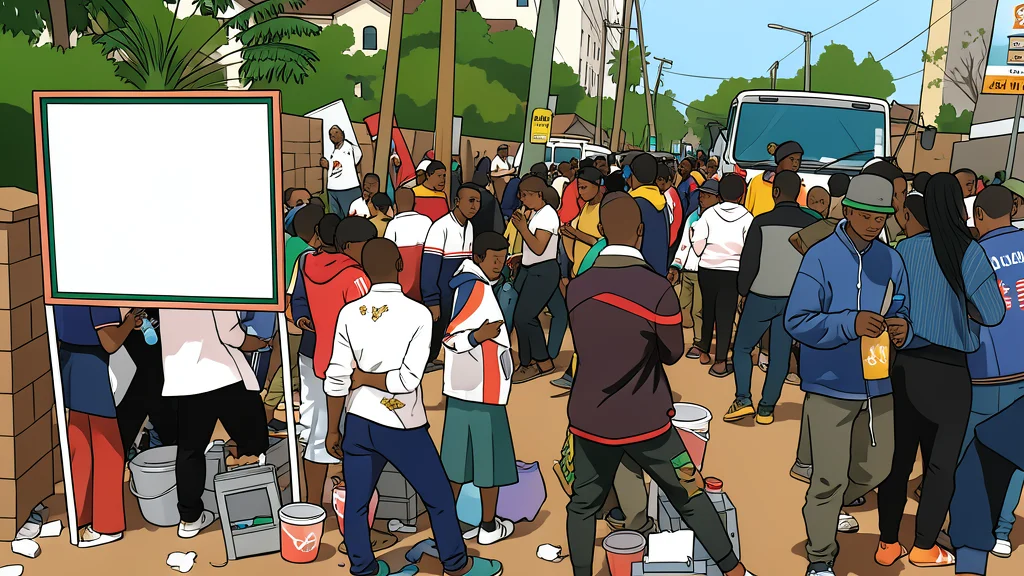
Despite the significance of the event, the proceedings were marred by security concerns and logistical issues reported just before polling stations opened. Election officials stated that they were targeting a high turnout of at least 80 percent, reflecting the strong desire for political participation among residents who had waited years for their first opportunity to elect representatives directly.
Security concerns mar pre-election hours
Violence erupted in several locations on Sunday, the day before the polls opened, prompting emergency measures by election authorities. The chairman of the Commission on Elections, George Garcia, reported that Cotabato City was placed under the commission’s direct control after a shooting incident killed three people and injured fifteen others. In separate incidents within the same city, an improvised bomb blast injured its carrier, and another firearm was discharged without causing casualties.
Further complications arose in the town of Maluso in Basilan, where officials discovered pre-shaded ballots in a majority of the precincts. Garcia announced that the affected areas were also placed under special control and ordered the immediate reprinting of ballots, which will delay voting in those specific districts. He vowed to pursue legal action against individuals involved in violence or vote-buying, emphasizing the integrity of the process.
Structure of the new legislative body
The election determines the composition of the region’s new parliament, which will consist of 80 seats. These are divided into 40 political party representatives, 32 district representatives, and eight sectoral representatives. The legislative body will be responsible for passing regional laws and overseeing the executive branch. The region’s chief minister, who heads the executive, will be selected by the parliament during its first session rather than by direct popular vote.
This shift marks the end of the transition period under the Bangsamoro Transition Authority, an interim government appointed in 2019. The establishment of the Bangsamoro Autonomous Region in Muslim Mindanao was a key component of the peace deal, which required former rebels to demobilize and abandon their goal of an independent state in exchange for greater autonomy within the Philippines.
Long road to regional autonomy
The conflict in Mindanao has claimed approximately 150,000 lives since the 1970s, leaving deep scars on the community. While the area has historically been a concern for security forces, violence has declined in recent years as former combatants integrate into society. Election officials and local leaders described the vote as a testament to the resilience of the Bangsamoro people, who have struggled for identity and self-determination amidst marginalization and conflict.
As polling stations close at 7 pm local time, attention now turns to the counting process and the formation of the new government. The success of this transition will depend on the stability of the region in the coming weeks. Observers will watch closely for how the new parliament manages the executive selection and whether the recent incidents of violence and ballot irregularities undermine public confidence in the democratic process.