Strait of Hormuz Tensions Escalate After Vessel Strike
An Iranian cargo ship was hit near Qeshm Island, prompting Tehran to postpone regional talks as shipping threats mount across key waterways.
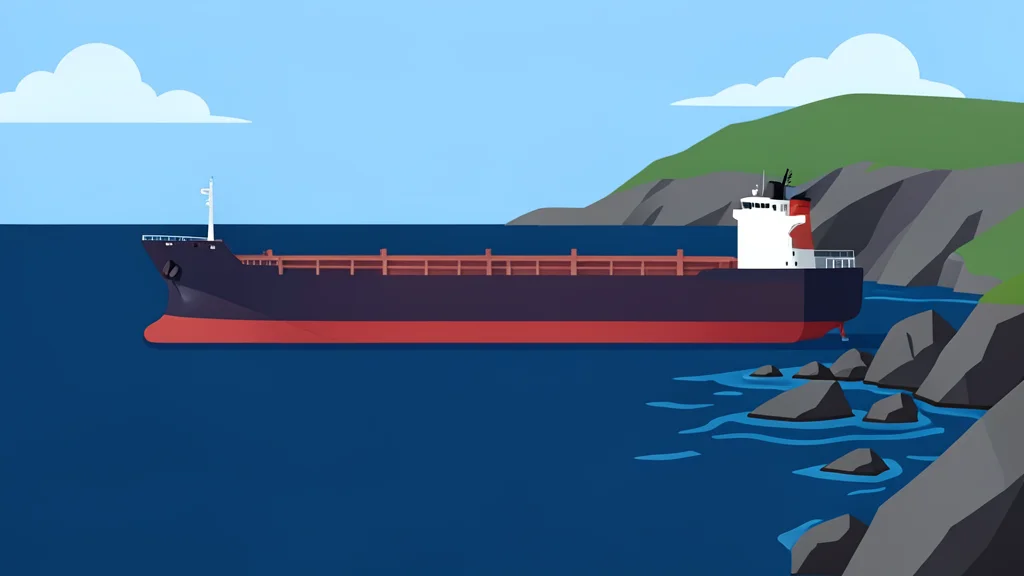
An Iranian cargo vessel was struck off Qeshm Island in the Strait of Hormuz on Sunday, resulting in one death and four injuries, according to Iranian state media. The incident occurred amid heightened tensions in the region, with Tehran attributing the attack to a "terrorist enemy" while official confirmation from other parties remained pending.
The attack coincided with a delay in diplomatic discussions involving Oman and neighboring Gulf states. Officials indicated that the meeting, originally scheduled to address shipping management in the strait, was postponed to allow for greater consensus among regional actors, reflecting the complex diplomatic landscape surrounding maritime security.
Regional Diplomatic Efforts Suspended
Oman’s foreign minister stated on social media that the talks were delayed in the interests of consensus. An Iranian foreign ministry official, quoted by the state-run IRNA agency, said the postponement was made at the request of some regional countries. According to a Gulf official familiar with the matter, Saudi Arabia submitted amendments to the proposed Iran-Oman agreement, citing concerns that the deal could negatively impact other Gulf Cooperation Council nations.
Prior to the delay, only Iraq had publicly confirmed plans to attend the meeting. Bahrain cited a lack of diplomatic relations with Tehran as a reason for its absence. The postponement underscores the difficulty in reaching a unified regional position on the management of one of the world’s most critical energy corridors.
Competing Narratives on Vessel Attack
Tehran’s President Masoud Pezeshkian asserted that Iran would not surrender to bullying, posting a defiant message on social media hours before the incident. In contrast, US President Donald Trump, speaking from Ireland, suggested Iran was eager to make a deal, claiming they were "calling constantly." When asked directly if the US military was responsible for the strike on the cargo vessel, Trump declined to confirm or deny the allegation, stating, "I don’t want to say."
The United Kingdom Maritime Trade Operations monitor reported that a vessel was hit by a projectile while transiting the strait, noting a severe fire and the evacuation of those on board. It remained unclear if this report referred to the same incident cited by Iranian authorities. The US military, which has been guiding ships along the Oman coast, has not issued an immediate comment regarding the specific attack off Qeshm.
Shipping Disruptions Across Key Waterways
Commercial ship traffic in the Strait of Hormuz remains low following the onset of the conflict in late February. The security environment has been further complicated by developments in the Red Sea, where Iran-backed Houthi rebels have intensified threats to shipping. According to recent reports, these groups have captured an island near the Bab el-Mandeb Strait, a vital alternative route for global trade.
France 24 noted that the simultaneous pressure on both the Strait of Hormuz and the Bab el-Mandeb corridor highlights the growing risks to international maritime trade. As diplomatic channels stall and military posturing continues, the focus remains on how regional actors will navigate the escalating threats to these critical waterways in the coming days.