Iran Urges BRICS to Expand Trade in National Currencies
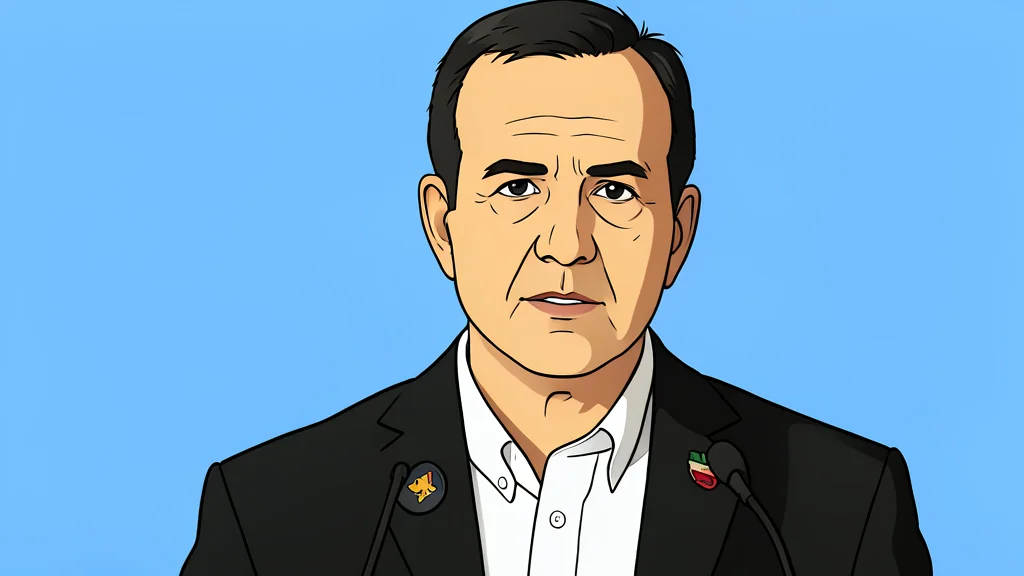
At the closing session of the BRICS summit, Iranian President Masoud Pezeshkian called for a shift toward local currency settlements to reduce reliance on Western-dominated financial systems.
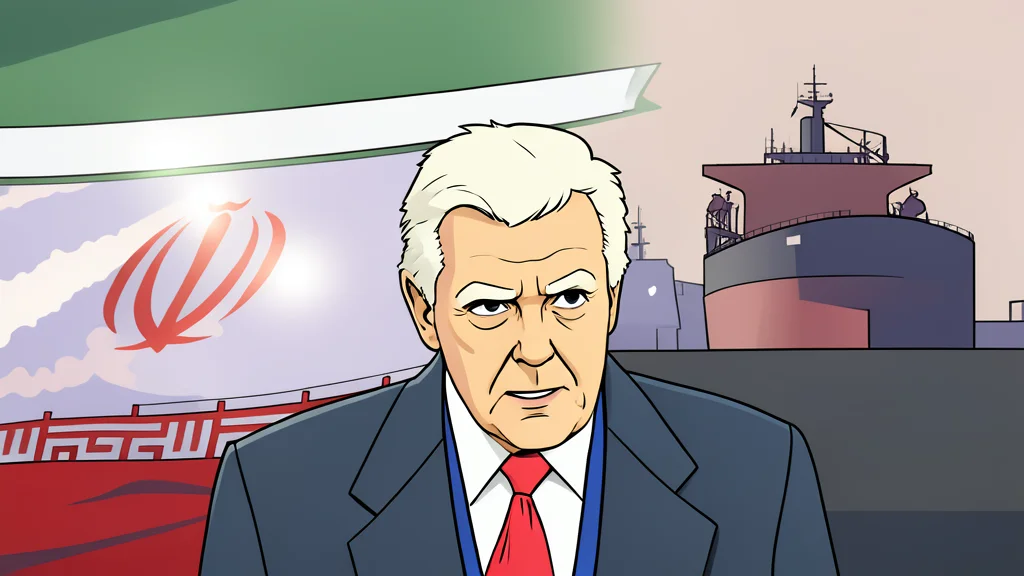
Iranian President Masoud Pezeshkian has called on BRICS nations to significantly increase trade conducted in their own national currencies. Speaking at the concluding session of the recent BRICS summit, Pezeshkian argued that the current global financial architecture leaves emerging economies overly exposed to political shocks. He suggested that reducing dependence on existing trade and financial systems is essential for enhancing economic resilience among member states.
The remarks come as Iran faces intensifying economic pressure from Western sanctions, which have severely impacted the value of the Iranian rial and complicated oil exports. According to reports from GN geopolitics/trade (en-US), Pezeshkian characterized these unilateral measures as detrimental to global food security and general welfare. He positioned the BRICS group not merely as a forum for cooperation, but as a response to a growing demand for a more balanced international order where no single power dictates terms to others.
Financial Vulnerability Amid Sanctions
The Iranian leadership argues that the current round of sanctions has exacerbated an already precarious economic situation. The erosion of the currency’s value and high inflation rates have made essential imports difficult to secure. Pezeshkian emphasized that excessive reliance on a single financial system creates fragility, particularly for nations seeking to sustain industrial output and public services without consistent access to traditional banking channels.
By advocating for the strengthening of the New Development Bank, Tehran aims to create alternative mechanisms for financing and trade settlement. This approach is intended to bypass restrictions placed on cross-border transactions in dominant reserve currencies. The strategy reflects a broader geopolitical shift where several major economies are exploring ways to insulate their domestic markets from external financial disruptions.
Redefining Global Economic Cooperation
Pezeshkian’s address framed the BRICS initiative as a manifestation of a desire for a more inclusive world order. He stated that the group has evolved beyond simple cooperation into a structural challenge to the status quo. The president urged members to translate principles of resilience and sustainability into concrete actions, suggesting that the current international framework needs to be restructured to accommodate the interests of a wider range of nations.
The push for localized trade mechanisms is seen by proponents as a way to stabilize exchange rates and protect domestic industries from volatile global markets. Critics, however, note that while the political will is present, the logistical and technological challenges of managing multi-currency trade settlements remain significant. The success of this initiative will depend on the willingness of other BRICS members to adopt similar practices and invest in the necessary infrastructure.
Future Implications For Trade
The forward question now centers on whether other BRICS nations will accelerate the adoption of local currency trade in response to Iran’s call. Observers are watching for specific bilateral agreements or updates to the New Development Bank’s lending criteria that might signal a concrete shift away from dollar-based transactions. The next few months will likely reveal if this rhetoric translates into measurable changes in trade flows and financial policy among the group.