Iraq Restores Border Traffic with Iran Following Drone Attack
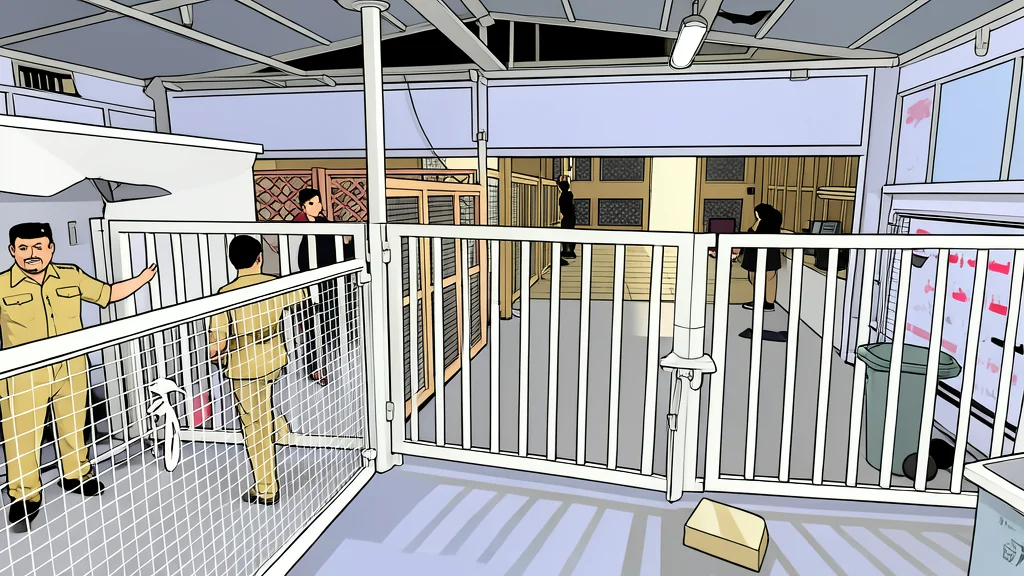
Baghdad has initiated a phased reopening of key border crossings with Iran after a brief closure triggered by a drone strike on Saudi oil infrastructure.
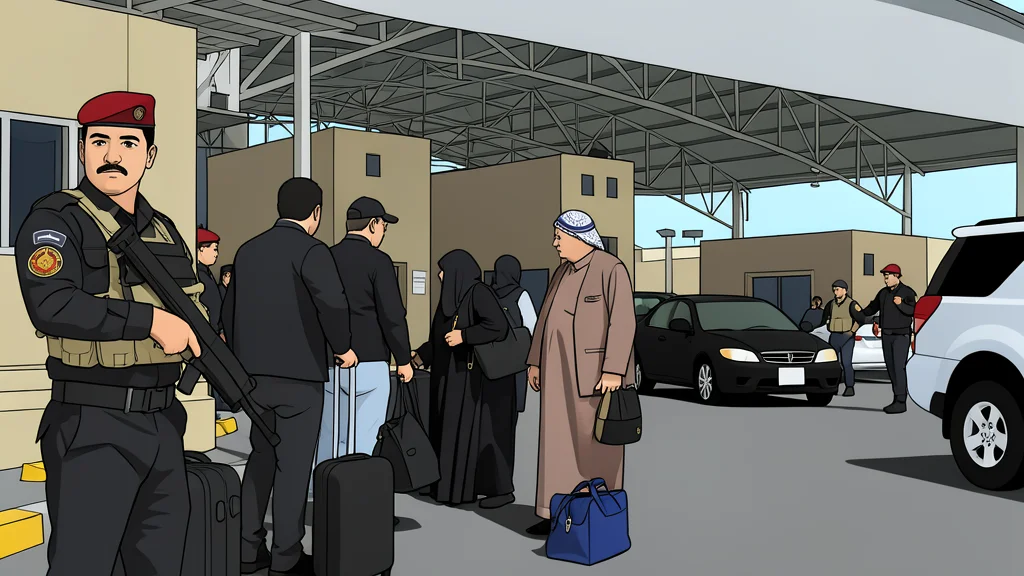
Iraqi authorities have begun the gradual restoration of operations at three border crossings with Iran, reversing a temporary closure that took effect on September 12. The decision follows a drone attack on the East-West pipeline in Saudi Arabia, an incident that prompted Baghdad to halt passenger and commercial traffic to assess security risks. According to reports from GN geopolitics/migration (en-US), the government security cell outlined a plan to resume normal operations between Sunday and Thursday, prioritizing the safety of transit routes while maintaining heightened vigilance.
The immediate impact of the closure has been felt in Basra and Maysan provinces, where the Shalamcheh and Al-Shib crossings serve as critical links for regional trade and travel. While passenger processing has already resumed at these two locations as of September 13, commercial traffic remains suspended pending further security assessments. The third crossing, Al-Mandali in Diyala province, is included in the phased reopening schedule, marking a significant step toward normalizing cross-border movement after the recent escalation.
Security Measures Tighten Along the Frontier
The decision to close the crossings was not merely administrative but a response to specific intelligence concerns. Iraqi officials stated that the suspension was necessary to reorganize operations and strengthen intelligence capabilities to prevent further violations. This move coincided with the dismissal of the military commander for Maysan province, a decision made after authorities alleged that the drones responsible for the Saudi pipeline strike had launched from territory near the Iranian border. Such personnel changes signal a serious internal review of border security protocols.
Investigative efforts have focused on the physical evidence left behind. Two sources within Iraq’s security forces told AFP that drone launchers were discovered near the Al-Shib border crossing shortly after the incident. Although no group has officially claimed responsibility for the attack on the Saudi infrastructure, the discovery of equipment in Iraqi territory has complicated the diplomatic landscape. Baghdad’s response has been measured, focusing on operational security rather than immediate public accusation, yet the underlying tensions between regional actors remain palpable.
Regional Tensions and Attribution Questions
The geopolitical context of the incident involves complex alliances and rivalries in the region. Riyadh has previously accused various Iraqi groups of targeting its oil infrastructure, a claim that has heightened sensitivities along the border. In response, an alliance of pro-Iranian armed groups in Iraq has explicitly denied involvement in the recent pipeline strike. This denial adds a layer of uncertainty to the investigation, as the attribution of the attack remains unresolved despite the physical evidence found near the crossing.
The situation underscores the vulnerability of critical energy infrastructure in the region. The East-West pipeline is a vital artery for Saudi oil exports, and any disruption carries significant economic implications. The fact that the attack was launched from a location near the Iraqi border, even if the perpetrators are unidentified, places Iraq in a delicate position. It must balance its role as a host to various armed factions with its responsibility to maintain regional stability and protect its own sovereignty.
Monitoring the Phased Reopening Process
As the crossings begin to reopen, observers will closely monitor the flow of traffic and any further security incidents. The phased approach suggests that Iraqi authorities are proceeding cautiously, likely keeping enhanced security forces on standby at the Shalamcheh and Al-Shib checkpoints. The success of this reopening will depend on the ability of security services to detect and deter any further attempts to use the border as a launchpad for attacks on neighboring states.
In the coming days, the focus will shift to whether commercial traffic resumes fully by Thursday, as planned. Any delays or further suspensions would indicate that security concerns have not been adequately addressed. For now, the reopening represents a tentative step back toward normalcy in a region where geopolitical frictions frequently disrupt economic and diplomatic relations. The next 48 hours will be crucial in determining whether this incident remains an isolated event or the precursor to a broader escalation.