Pakistan Urges US and Iran to Resume Stalled Negotiations

Islamabad maintains that the June memorandum remains the only viable framework for resolving the current standoff, despite significant implementation gaps.
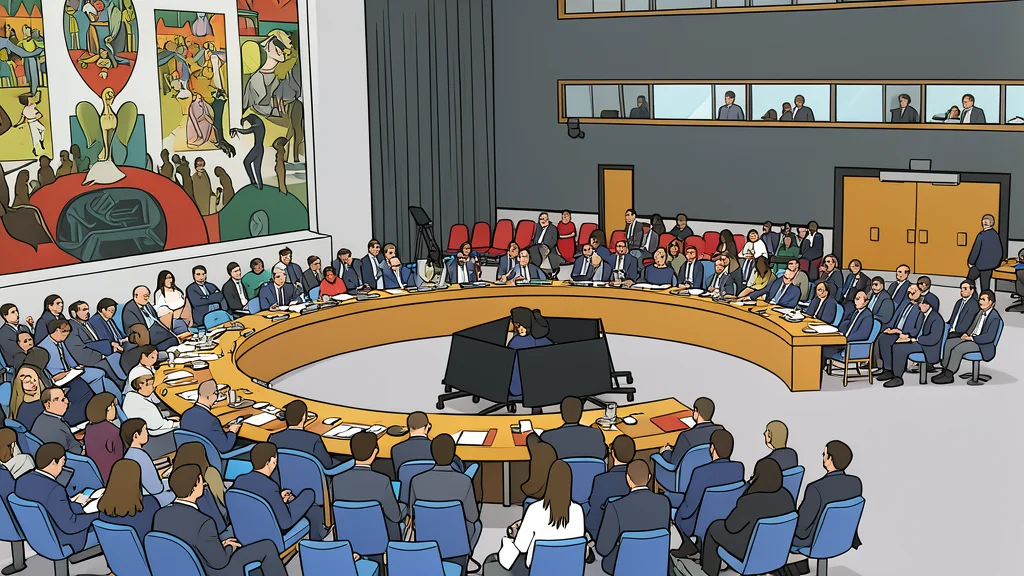
Pakistan is actively encouraging the United States and Iran to return to the negotiating table, asserting that the diplomatic framework established in June remains the most viable path toward a lasting resolution. According to Pakistan’s ambassador to the United Nations, Asim Iftikhar Ahmad, both parties have maintained high-level communication channels, yet a persistent deficit of trust has hindered the full implementation of the agreed terms. The envoy emphasized that while the situation is complex, the existing memorandum provides a comprehensive structure that both sides must revisit to prevent further escalation.
The Islamabad Memorandum, which was brokered with the assistance of Qatar, originally called for an immediate cessation of hostilities and a sixty-day period dedicated to negotiating a permanent end to the conflict. It also included specific provisions aimed at reopening the Strait of Hormuz to commercial shipping, a critical artery for global energy supplies. However, Ahmad acknowledged that there is a noticeable reluctance on both sides to fully execute the deal, citing a "lingering lack of trust" that has created significant friction in the diplomatic process. Despite these challenges, Pakistan continues to push for a resumption of talks, arguing that the alternative to dialogue carries far greater risks for regional stability.
Disputes over sanctions and naval operations
The core of the current impasse revolves around the implementation of economic and military measures outlined in the agreement. Iran has accused Washington of failing to adhere to key provisions, particularly those concerning the lifting of sanctions and the removal of a US naval blockade that it views as a violation of the ceasefire terms. In contrast, the United States and several Gulf states have consistently called for the guarantee of free navigation through the Strait of Hormuz, arguing that security for commercial vessels is a non-negotiable requirement for the deal to hold. This divergence in interpretation has left the two nations in a stalemate where neither side believes the other is meeting its obligations.
Diplomatic persistence despite regional volatility
Ahmad expressed confidence that Pakistan’s previous success in mediating a ceasefire during periods of heavy fighting demonstrates the feasibility of bringing the parties back to the table. He noted that the diplomatic effort required to secure the initial memorandum was substantial, and the same level of persistence is now required to navigate the current impasse. The envoy rejected the notion that one side is solely responsible for the delay, stating that the situation is too nuanced to assign simple blame. Instead, he framed the current moment as an opportunity to leverage the existing framework to achieve a comprehensive and conclusive deal that addresses the underlying security concerns of both nations.
Broader implications for regional stability
The diplomatic push by Islamabad is occurring against a backdrop of continued instability in other parts of the region. In related remarks, the Pakistani envoy warned that ongoing violations of ceasefire terms in Gaza are undermining broader prospects for regional peace and the eventual establishment of a Palestinian state. He called for a stronger international stance against these violations, suggesting that the failure to uphold peace agreements in one area erodes the credibility of diplomatic efforts elsewhere. This broader context underscores the urgency of resolving the US-Iran standoff, as continued tension threatens to destabilize the entire Middle Eastern security architecture.