Performing Survival: Theatre in the Ruins of Gaza

In a makeshift stage in Gaza, actors transform personal trauma into performance, navigating the blurred line between art and immediate reality.
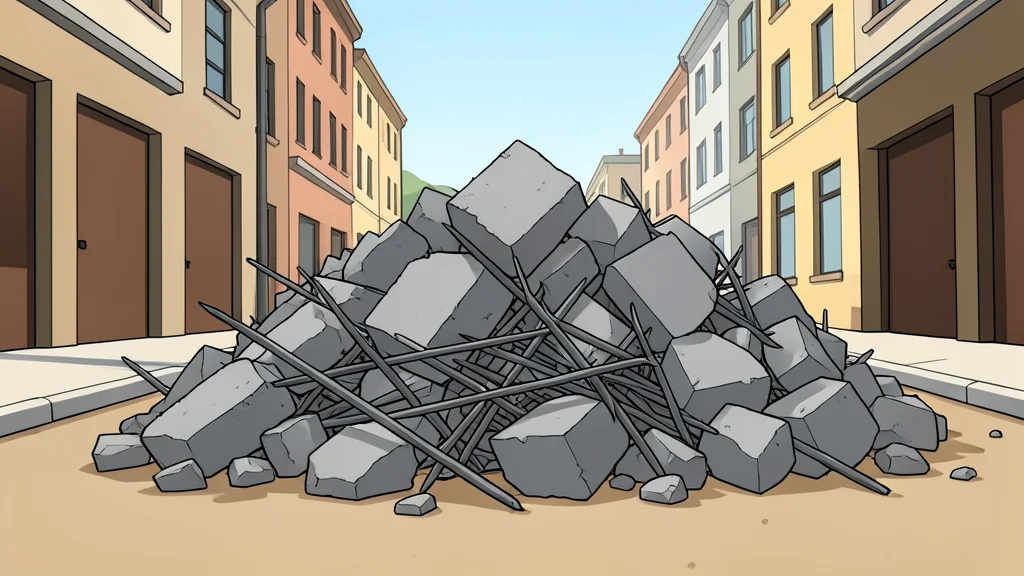
In the displaced neighborhood of Sheikh Radwan, the routine of survival often dictates the rhythm of artistic creation. For Abu Qasai Qaddoura, a former production manager who has never acted before, the day begins not with a script, but with the urgent search for firewood. At six in the morning, he walks to a local stall to purchase fuel for his family’s warmth and meals. When funds are scarce, he scavenges for cardboard or plastic scraps from destroyed homes. The journey to his rehearsal space is a two-hour walk, during which he avoids main roads clogged with rubble and potential danger, opting instead for narrow side streets to reach a temporary stage constructed from fabric and plastic sheets in the parking lot of the Rashad al-Shawa Cultural Centre.
Upon arrival, Qaddoura is exhausted, his knees aching from the walk, yet he immediately joins the ensemble. There is no time for rest or reflection. He prepares to embody a doctor trapped in a hospital, holding a baby doll that represents his character’s child. The scene requires him to amputate the infant’s leg without anesthesia, a depiction based on a real video of a father’s helplessness. As described by Al Jazeera English, the actor’s emotional state blurs the boundary between performance and memory. He confesses that holding the doll triggers a visceral terror, seeing his own children’s faces in the prop. The fear that the next day could bring such a loss to his own family is so acute that it halts the rehearsal, forcing a pause as he struggles to regain composure before continuing.
Reconstructing Art Amidst Destruction
Director Ali Abu Yasin, a veteran of the theatrical scene with decades of experience, faces the challenge of sustaining artistic expression in an environment where physical infrastructure is vanishing. His career has been marked by international recognition, including awards at festivals in Tunisia, yet the venues that supported his work are increasingly damaged or destroyed. According to UNESCO data cited in recent reports, over 160 cultural sites in Gaza have suffered verified damage since late 2023. For Abu Yasin, the core question has shifted from how to create compelling theater to where it can be staged at all. The current production is a testament to resilience, utilizing whatever materials are available to create a space for narrative and reflection.
The Weight of Immediate Reality
The actors in this production are not merely interpreting roles; they are processing ongoing trauma. The lines between the fictional scenario and their lived experience are porous. Qaddoura, who now lives in a single room on a rooftop with his wife and three children, finds that the physical act of holding a child on stage evokes a profound sense of vulnerability. He describes the moment after the intense scene where he collapses into sobs, sitting quietly at the side of the stage. It is a raw display of the psychological toll that accompanies the performance. The director allows this pause, recognizing that the emotional intensity is inherent to the material. Eventually, Qaddoura returns to his place, repeating the action with a determination that underscores the necessity of the work.
Navigating Uncertain Future Conditions
As the production moves forward, the primary focus remains on the ability to continue creating art under such constrained conditions. The forward-looking question is how these cultural initiatives will sustain themselves amid the ongoing instability. The makeshift nature of the stage reflects a broader reality where resources are limited and safety is precarious. Yet, for the performers, the act of assembling the stage and enacting the stories serves as a form of agency. It is a way to assert presence and voice in a landscape defined by displacement. The next steps will likely involve adapting to further changes in access and safety, but for now, the rehearsal continues, a testament to the persistence of human expression.