Iran's Automotive Affordability Crisis Deepens Amid Economic Strain
Rising vehicle prices and stagnant wages are rendering basic transport unaffordable for many Iranians, exposing deeper structural issues in the economy.
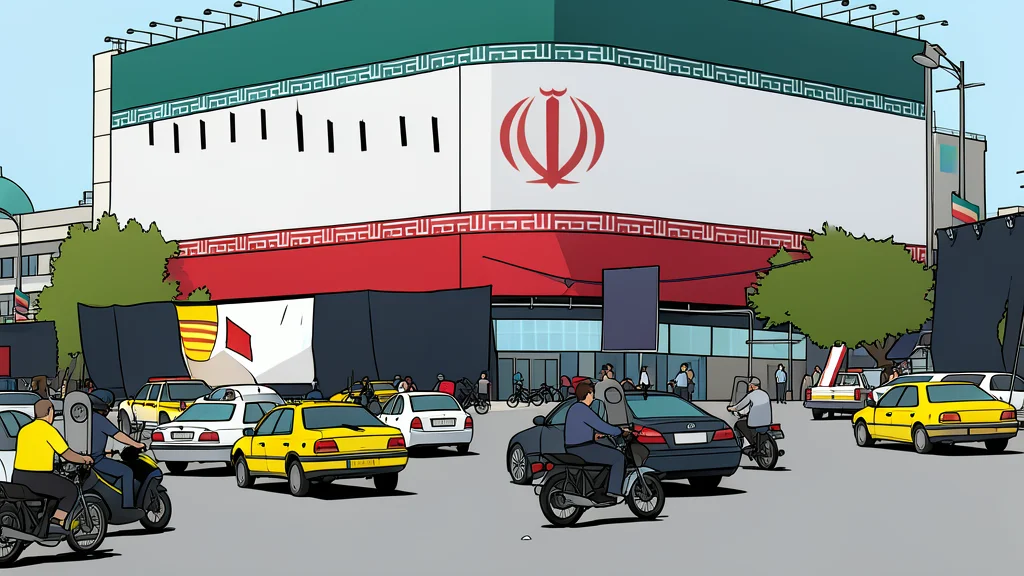
For Hossein, a 32-year-old marketing specialist in Tehran, the dream of replacing his aging vehicle has become increasingly distant. Despite earning nearly four and a half times the minimum wage, the cost of new cars has surged to levels that are mathematically out of reach. According to reports from Al Jazeera English, his salary is close to 900 million rials, yet the price of a basic domestic sedan now exceeds 31 billion rials. This disparity highlights a broader disconnect between income and essential costs in the current economic climate.
The situation has been exacerbated by recent geopolitical conflicts, including military actions and subsequent sanctions that have disrupted supply chains. Domestic car prices have risen by 40 to 80 percent since the start of the war, with some models seeing increases of over 130 percent compared to last year. For many residents, the financial burden is not just about the initial purchase but also the soaring costs of maintenance, as parts and fuel prices have climbed significantly faster than wages.
Structural barriers limit consumer choice
Experts attribute this affordability gap to a combination of protected state-linked businesses and restricted imports. Some officials and state media have described the automotive industry as a system that transfers costs directly to households. With foreign manufacturers having exited the market due to sanctions, consumers are left with limited options for locally produced vehicles. These cars are often criticized for having lower safety standards and higher fuel consumption, contributing to environmental concerns and higher long-term costs for drivers.
Economic isolation drives price inflation
The recent conflict has compounded existing economic pressures. Reports indicate that extensive bombing of industrial sites and a naval blockade have hindered the import of goods from neighboring regions. This isolation has prevented the inflow of cheaper components and finished products, forcing reliance on a domestic market that lacks competitive pricing power. Consequently, the cost of living continues to rise, leaving many families with little ability to save or upgrade their vehicles.
The impact extends beyond individual budgets to public safety and urban health. High numbers of road accidents, linked partly to vehicle quality, have resulted in significant loss of life. Additionally, the prevalence of older, less efficient vehicles contributes to air pollution in major cities. As the economic outlook remains uncertain, the automotive sector serves as a stark indicator of the broader challenges facing Iranian households in maintaining a basic standard of living.
Future outlook for the auto sector
Looking ahead, the trajectory of Iran's car market will likely depend on the resolution of geopolitical tensions and the potential easing of trade restrictions. If the current state of economic isolation persists, affordability is expected to remain a critical issue for consumers. Observers are watching closely for any shifts in import policies or changes in domestic production costs that might alleviate the pressure on household budgets.