Gaza Students Pursue Robotics Amidst Infrastructure Collapse
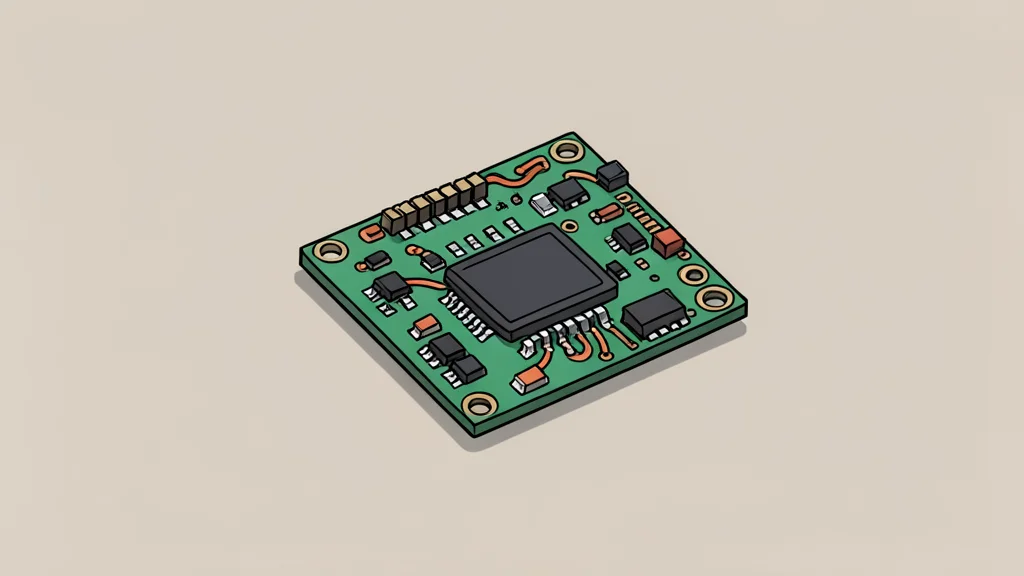
In Deir el-Balah, young learners continue to study electronics and robotics despite the destruction of Gaza's tech sector, relying on limited resources to maintain their skills.
In central Gaza, a small group of students gathers around a table with basic electronic components and wires to continue their education in robotics. This effort takes place in Deir el-Balah, where the enclave's once-thriving IT sector has been largely devastated by three years of conflict. According to Al Jazeera English, these students are attempting to keep pace with technological advancements occurring outside the borders, despite the loss of schools, universities, and incubators that previously supported their development.
The curriculum focuses on integrating sensors into alarm systems, understanding motor drives, and programming. While the immediate tools are rudimentary, the instructors argue that these lessons could have life-saving applications in the future, such as detecting gas leaks or assisting rescue workers in accessing victims trapped under rubble. The students view this education not just as academic exercise, but as a way to preserve their ambitions and prepare for a post-conflict reality where their skills might be in high demand.
Adapting to Scarcity in Learning
Hamza al-Atrash, a 16-year-old participant in the "Next Gen" project, uses an Arduino controller and other available electronics to build prototypes. He notes that while equipment shortages and frequent electricity outages create significant hurdles, they do not stop the learning process. Instead, he says, these constraints push the group to find solutions and maximize the utility of simple tools. The students describe their approach as one of resilience, aiming to develop capabilities that can benefit their community and provide new opportunities for young people in Gaza.
The challenges faced by these students reflect a broader disruption to the region's innovation ecosystem. Before the current phase of the war, Gaza had several incubators that helped entrepreneurs turn ideas into prototypes. Bahaa al-Masri, who heads the training team for the Early Warning Systems and Robotics Project, explains that these spaces provided a rare environment for development. Now, with training spaces lost and equipment difficult to find, the ecosystem is fragmented, leaving innovators with limited opportunities to experiment.
Preserving Talent Amidst Destruction
Despite the damaged infrastructure, trainers continue their mission to educate budding tech experts. Al-Masri emphasizes that there is a generation of students with genuine passion and talent in digital systems who require the right environment to develop these abilities. The goal is to help them turn their ideas into projects that can serve their community. For these learners, the act of studying itself is a form of resistance against the erasure of their future, ensuring that their skills remain intact even as the physical world around them is reshaped by conflict.
Looking Toward Future Applications
The focus on robotics and early warning systems is not merely theoretical. The skills being honed in these makeshift classrooms are intended to address practical, urgent needs. By mastering the science of sensors and automated responses, these students are building a foundation for technologies that could detect hazards or aid in rescue operations. As the war continues, the forward question remains how these limited resources will be sustained and whether the fragmented tech sector can eventually rebuild to support the next wave of innovators in the region.