Qatar Urges Hormuz Reopening as UNGA Debates Regional Wars
Qatar’s Amir calls for renewed Gulf diplomacy and Gaza aid access amid UN warnings of widening global divisions.
Key points
- Qatar’s Amir Sheikh Tamim bin Hamad Al Thani called for the reopening of the Strait of Hormuz and full implementation of the Gaza ceasefire.
- U.S. President Donald Trump defended military strikes on Iran, threatening further destruction if Tehran does not agree to a deal.
- UN Secretary-General António Guterres warned that global divisions are widening, urging that the power of law prevail over the law of power.
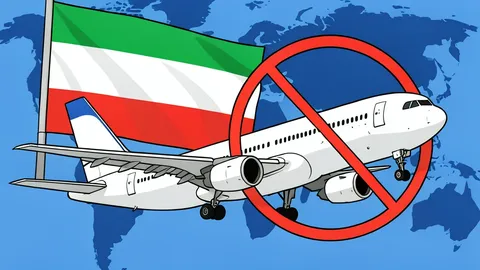
Qatar has urged the international community to reopen the Strait of Hormuz and resume negotiations, a stance that dominated the opening of the 81st United Nations General Assembly. According to Doha News, the call for diplomatic engagement stands in contrast to the escalating military rhetoric heard from other delegations in New York this week.
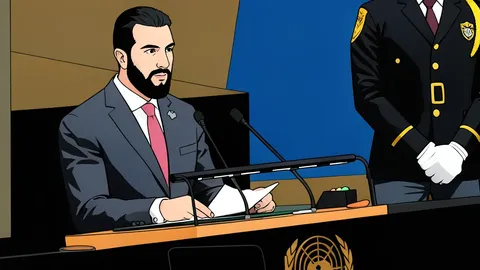
Addressing world leaders, Amir Sheikh Tamim bin Hamad Al Thani warned that the ongoing Gulf crisis is disrupting the global economy and driving up prices for food and medicine. He emphasized that the conflict affects livelihoods far beyond the region, describing the situation as a crisis that has been avoidable but remains solvable through dialogue.
Diplomatic Stance Versus Military Pressure
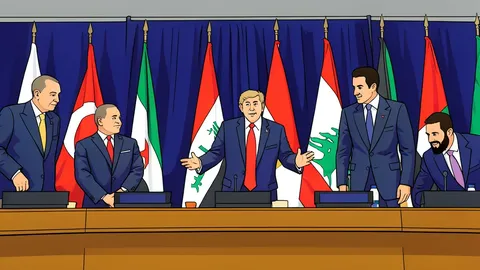
The debate highlighted a sharp divergence in approaches to the Iran conflict. U.S. President Donald Trump defended recent military operations, claiming they have weakened Iran’s nuclear capabilities and navy. He presented Tehran with an ultimatum to reach an agreement or face further destruction, predicting a deal will follow upcoming U.S. midterm elections.
In contrast, Brazilian President Luiz Inácio Lula da Silva warned that the strait had become a battleground, threatening vital international trade routes. He argued that there would be no winners in a continued conflict and that diplomacy remained the only viable option for regional stability.
Palestine and International Legal Frameworks
Palestine was a central theme in multiple addresses. Qatar’s Amir described the situation in Gaza as a genocide and called for Israel to fully implement the ceasefire, including the withdrawal of forces and the lifting of the blockade. He argued that international law loses its meaning if it is enforced selectively against the weak while exempting the powerful.
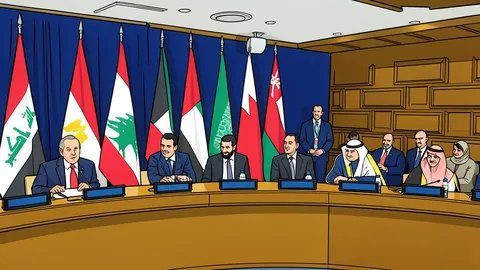
Regional leaders echoed these concerns, with Jordan’s King Abdullah II describing Gaza and the West Bank as fronts of a single strategy aimed at preventing a viable Palestinian state. He called for stronger measures against Israel, including sanctions, while UN Secretary-General António Guterres warned that global fault lines were widening into canyons.
Future Trajectory of Regional Stability
The first day of the general debate exposed deep divisions over whether diplomacy or further military pressure can end the region's wars. As Guterres urged that the power of law must prevail, the focus now shifts to whether the Security Council can implement its reform agenda and enforce a consistent application of international norms.