Saudi Arabia's Internal Repression and International Image
Reports highlight the growing gap between Saudi Arabia's external diplomatic efforts and the documented conditions of domestic political dissidents.
Saudi Arabia continues to invest heavily in international marketing campaigns aimed at reshaping its global perception. According to a recent analysis published by Fair Observer, these efforts are often contrasted with the internal reality of political dissent within the kingdom. The article argues that despite significant financial outlays for image management, the fundamental structures of political control remain unchanged. This divergence creates a persistent tension between the state's projected modernity and its domestic governance practices.
The report focuses on the legacies of prominent figures who have been at the center of the human rights discourse in the region. It references the death of Dr. Abdullah Al-Hamid, described as a key reformist voice, and the ongoing detention of Dr. Salman Al-Odah. These cases are presented as central examples of the broader issue: the treatment of individuals who advocate for political participation or religious reform. The narrative suggests that the state's response to such voices is characterized by strict enforcement mechanisms, regardless of the international attention these figures receive.
Challenges to Domestic Political Dissent
The analysis describes a political environment where space for opposition is severely limited. It notes that the absence of a multi-party system and restricted civil liberties define the current landscape. According to the source, individuals who attempt to engage in political discourse or demand basic rights often face significant personal consequences. This includes arrests, surveillance, and in some cases, enforced disappearance. The text emphasizes that the state maintains a comprehensive apparatus for monitoring and controlling dissenting voices, both within the country and among the diaspora.
Conditions of Long-Term Detention
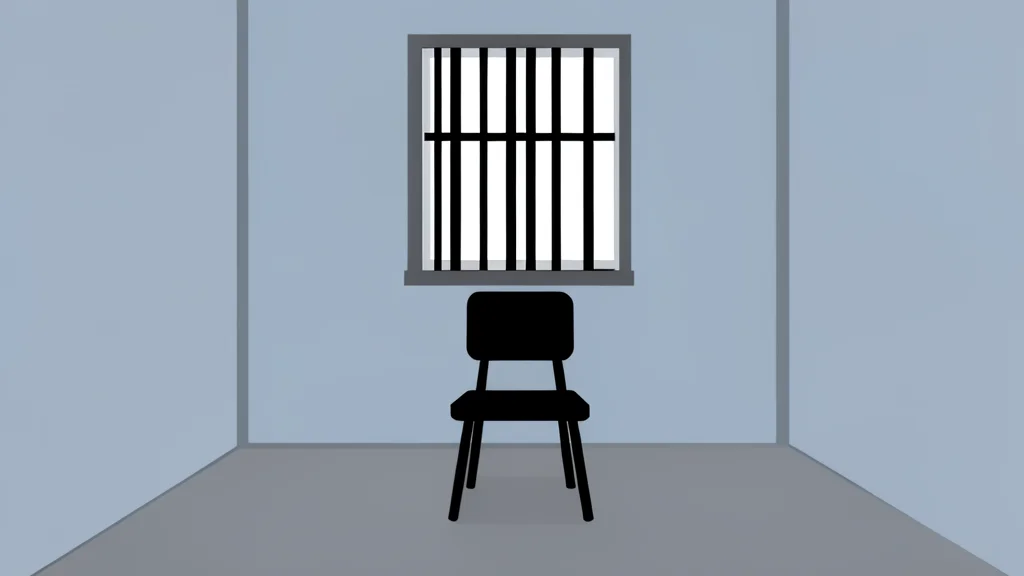
Particular attention is given to the situation of Dr. Salman Al-Odah, who has been held in solitary confinement since 2017. The report details allegations regarding his deteriorating physical and mental health, including significant loss of hearing and sight. It states that he faces a death sentence, a fact that has drawn criticism from human rights advocates. The article frames his case as a symbolic test of the kingdom's commitment to the rule of law, suggesting that the severity of his punishment serves as a deterrent to others who might challenge the status quo.
Resilience of Exiled Activists
Despite the risks, the report highlights the continued efforts of activists who operate from abroad. It describes the use of secure communication tools and encrypted platforms to coordinate campaigns and maintain visibility on social media. These individuals argue that silence in the face of repression is complicity. The text underscores the psychological toll of living under constant threat, yet notes that many remain committed to their causes. They view their work not merely as political activism, but as a fundamental defense of universal rights.
The forward question remains how the international community will respond to these documented realities. While Saudi Arabia continues to engage in high-profile diplomatic and economic initiatives, the internal treatment of political prisoners remains a point of contention. Observers will be watching to see if there is any shift in the policy toward reformist voices or if the current trajectory of strict enforcement continues to define the domestic political landscape. The balance between external engagement and internal repression will likely remain a central theme in discussions regarding the region's future.