Shelter Shortage Deepens as Gaza Enters Winter Season
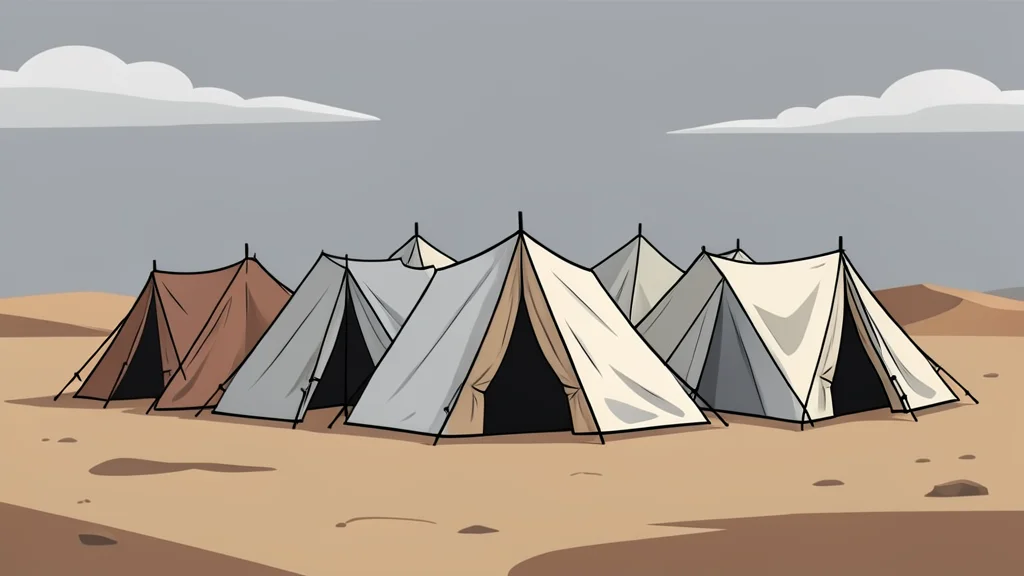
Displaced families in Gaza face worsening conditions as winter approaches, with thousands relying on makeshift tents while access to essential supplies remains severely restricted.
As the cold and rainy months approach, the humanitarian situation in Gaza has reached a critical juncture. According to recent estimates by the Norwegian Refugee Council, approximately 170,000 households, representing nearly one million people, are currently living in tents. Another 5,000 households are reported to be sleeping outdoors, while 52,000 are crowded into insufficient shelters. These figures underscore the scale of displacement that has persisted for over two years, leaving survivors vulnerable to harsh weather and disease.
The lack of adequate emergency shelter items, such as plastic sheeting, plywood, and rope, has become a pressing concern. Human rights organizations have noted that restrictions on the delivery of supplies prevent many from protecting themselves against the elements, rodent infestations, and other hardships associated with displacement. This situation stands in contrast to recent geopolitical developments, including a significant U.S. weapons sale to Israel approved in September 2026, which has drawn criticism from groups monitoring the impact of military actions on civilian infrastructure and safety.
Education Continues Amidst Displacement
Despite the dire living conditions, efforts to maintain education for Palestinian children continue. Julia Dicon, the Director of Education for UNRWA, has highlighted the resilience of young people who strive to learn despite the loss of schools and personal trauma. She cited the example of Tala and Farah Mousa, two sisters from Gaza who were recently recognized with the Middle East Earth Prize. Their story illustrates the determination of students who, despite living in rubble-strewn areas and facing severe resource shortages, remain committed to their studies.
However, the practical challenges to this educational pursuit are immense. Many children lack basic supplies such as paper, pencils, books, and desks. A Palestinian NGO, PYALARA, has suggested that international coalitions could assist by providing these essential items. Members of the Global Solidarity for Peace in Palestine coalition have reported on the difficulties faced by families in the West Bank and Gaza, including travel restrictions, hunger, and inadequate medical care, all of which compound the obstacles to normalcy and learning.
Logistical Barriers to Relief Access
The distribution of humanitarian aid faces significant logistical and political hurdles. According to reports from human rights monitors, restrictions imposed on the movement of goods and people have hindered the delivery of supplies that could mitigate the effects of displacement. These constraints affect not only the physical safety of residents but also their psychological well-being, as many deal with the trauma of losing loved ones and homes. The ongoing restrictions have been described by advocates as exacerbating the crisis, preventing families from securing even minimal comfort or protection.
International observers, including those affiliated with GN geopolitics/rights (en-US), have called for a renewed focus on the immediate needs of displaced populations. The debate continues over the balance between security measures and humanitarian access, with critics arguing that the current framework fails to protect the most vulnerable. As winter sets in, the urgency to address the shelter shortage and provide basic necessities becomes increasingly apparent, raising questions about the effectiveness of current relief strategies.
Forward Outlook on Humanitarian Aid
Looking ahead, the coming weeks will be critical in determining the scale of the humanitarian response. Key indicators to watch include the volume of aid supplies successfully entering Gaza, particularly those designated for shelter and education. International bodies are expected to reassess their funding priorities in light of the deteriorating weather conditions and the persistent restrictions on access. The ability of organizations to deliver practical support, such as school supplies and emergency shelter materials, will be a measure of the effectiveness of global solidarity efforts in the face of ongoing conflict and displacement.