Sino-Russian Vetoes Block US Iran Sanctions Extension at UN
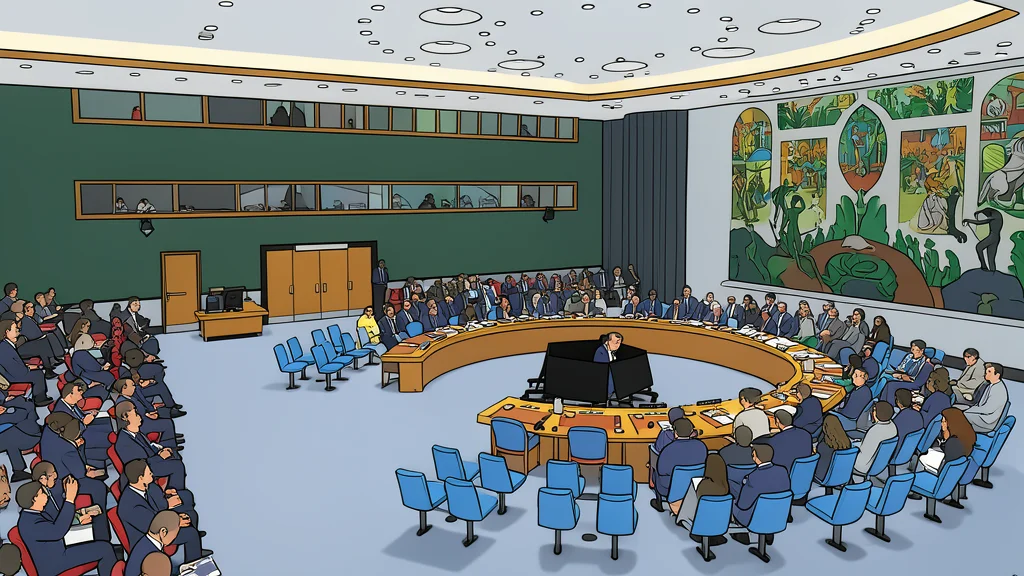
The UN Security Council failed to extend the mandate of the Iran sanctions monitoring panel after Beijing and Moscow exercised their vetoes, a move that signals a deepening fracture in multilateral diplomacy.
The United Nations Security Council on Thursday failed to adopt a US-drafted resolution that would have extended the mandate of a panel of experts monitoring sanctions on Iran. China and Russia vetoed the measure, preventing the extension of the Panel of Experts supporting the 1737 Iran Sanctions Committee until September 2027. The draft received 11 votes in favor, with two members abstaining, but the dual veto rendered the resolution null under Council rules.
According to GN geopolitics/un, the dispute centers on the validity of a 'snapback' mechanism triggered by the United Kingdom, France, and Germany. These nations argued that the move restored previous UN sanctions and revived the committee, which had been suspended under Resolution 2231 from 2015. However, Beijing and Moscow maintain that Resolution 2231 expired in October 2025, meaning the previous sanctions regime and its subsidiary bodies were not legally restored.
Diplomatic Fractures Over Sanctions Validity
China’s permanent representative to the UN, Fu Cong, stated that the Security Council has ended its consideration of the Iranian nuclear issue following the expiration of the foundational resolution. He argued that forcing through the restoration of sanctions would undermine the unity and credibility of the Council. Fu emphasized that the body should promote negotiations and ease tensions rather than serving as a platform for political confrontation.
Russia’s UN Ambassador, Vassily Nebenzia, echoed these sentiments, urging Western colleagues to cease actions that threaten to complicate the settlement of the crisis in the Persian Gulf. Iran’s mission to the UN expressed deep appreciation for the consistent and principled positions taken by both Beijing and Moscow, labeling the US draft as politically motivated.
Paralysis in Sanctions Committee Operations
The ongoing dispute has effectively paralyzed the 1737 Iran Sanctions Committee since its purported restoration last year. The Council has been unable to agree on a chair for the committee, preventing it from convening or conducting substantive work. France, holding the rotating presidency for September, attempted to convene a briefing on the committee’s work, but the meeting faced significant opposition from China and Russia.
Despite the opposition, the Council adopted the provisional agenda for the briefing by 11 votes to two, with two abstentions. Fu Cong warned that the presidency should respect the concerns of all parties and avoid actions that aggravate differences. He called for the immediate priority to be the cessation of force and the restoration of a ceasefire to safeguard peace in the Middle East.
Forward Outlook for Multilateral Diplomacy
The veto marks a significant shift in the dynamics of the Security Council, highlighting the limits of US-led initiatives in the current geopolitical landscape. With the expert panel’s mandate lapsed and the committee inoperable, the monitoring mechanism for Iran sanctions remains in a state of legal and procedural limbo. Analysts suggest that the inability to agree on the status of Resolution 2231 will continue to hinder diplomatic efforts.
Observers will now watch for further attempts by Western nations to bypass the veto or reform the monitoring structure. The situation also raises questions about the future of multilateral diplomacy in addressing nuclear non-proliferation concerns. As tensions in the region remain high, the lack of a unified UN stance on sanctions enforcement could embolden actors seeking to exploit the diplomatic deadlock.