Strait of Hormuz Talks Delayed Amid Pipeline Crisis
Diplomatic efforts to stabilize oil shipping routes have stalled as a key Saudi pipeline remains offline, raising fears for global energy supplies.
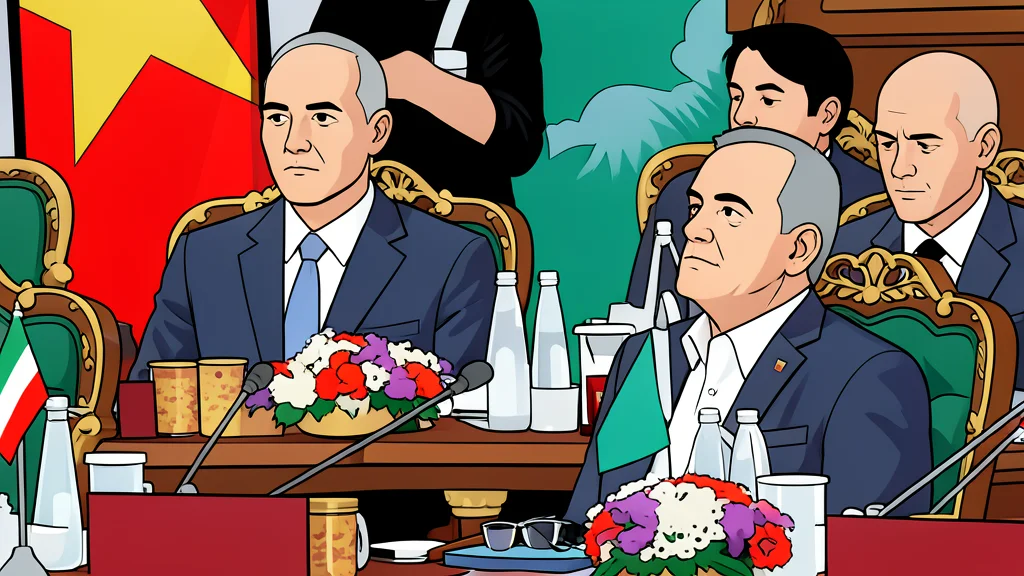
Diplomatic initiatives aimed at securing safe passage through the Strait of Hormuz have faced a significant setback following the postponement of a high-level meeting between Iran and Persian Gulf states. The delay, announced just days before the scheduled gathering, has cast uncertainty over a proposed framework for managing regional shipping routes. This development arrives at a critical juncture, with tensions escalating around the world’s most vital oil transit corridors.
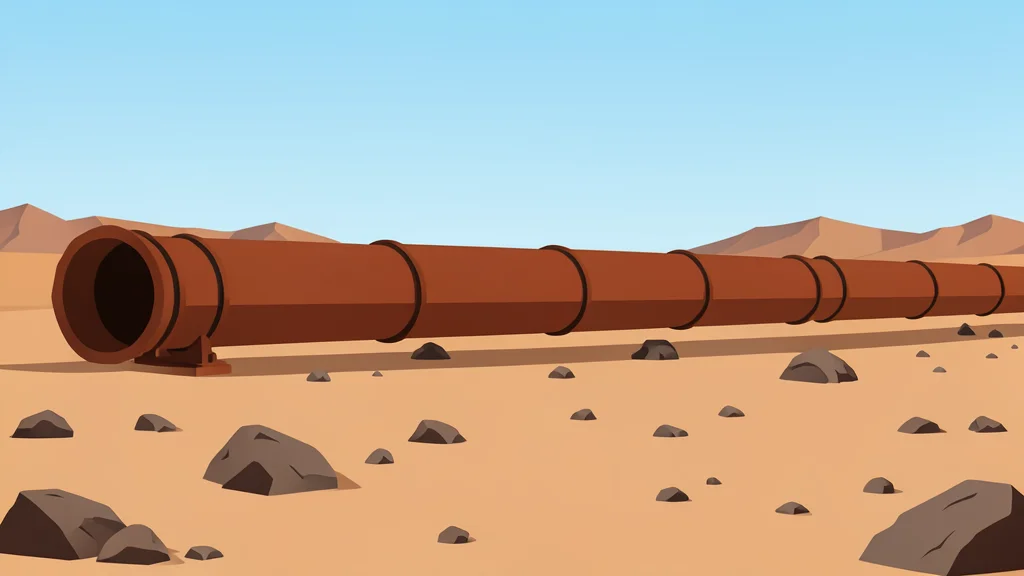
The postponement coincides with severe disruptions to energy infrastructure. Saudi Arabia has kept its main east-west oil pipeline closed since drone strikes damaged the facility earlier this month. According to reports from the GN auto geopolitics/middle-east desk, this shutdown threatens to jeopardize approximately four percent of global oil supply, compounding existing losses from restricted traffic through the strait itself.
Regional Consensus Delays Key Negotiations
Oman’s Foreign Minister stated that the meeting was postponed to allow for broader consensus among participating nations. Iranian officials indicated that the decision was made jointly with Muscat at the request of some regional countries. Tehran has expressed willingness to coordinate with Oman to set a new date, though no immediate timeline has been established. This pause in talks undermines hopes for a near-term diplomatic breakthrough that could have de-escalated tensions in the region.
Iran’s Foreign Minister Abbas Araghchi has maintained a firm stance, stating that the strait will not fully reopen until Washington satisfies Tehran’s demands. This position persists despite ongoing discussions with Gulf Arab states. The diplomatic standoff highlights the complex interplay between regional security concerns and broader geopolitical objectives, leaving key stakeholders without a clear pathway to restore normal shipping operations.
Pipeline Damage Disrupts Energy Flows
The closure of Saudi Arabia’s primary alternative route for bypassing the Strait of Hormuz has created a logistical bottleneck for global oil exports. Traders and buyers have noted that Riyadh’s storage capacity at its Red Sea port of Yanbu is limited, potentially allowing for only five to seven days of exports if the pipeline remains offline. Satellite imagery has shown significant damage along the pipeline route, with conflicting estimates regarding the time required for repairs ranging from days to weeks.
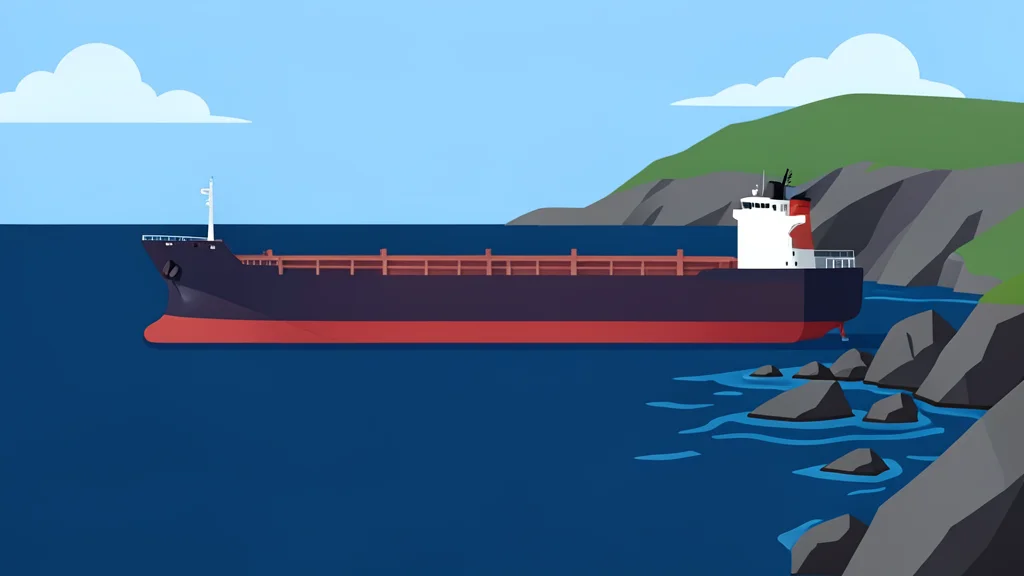
The physical vulnerability of these energy arteries has been further highlighted by recent incidents at sea. Maritime security agencies reported that a vessel was struck by a projectile in the strait, causing a fire and forcing crew evacuation. Such attacks underscore the persistent risks facing commercial shipping in the region, contributing to a climate of uncertainty that continues to weigh on global markets.
Market Reaction Reflects Supply Concerns
Global oil prices surged following the announcement of the pipeline shutdown and the diplomatic delay. Crude futures jumped above the $100 mark, reflecting investor anxiety over potential supply shortfalls. In the United States, retail diesel prices reached record highs, illustrating the direct impact of Middle East instability on domestic consumer costs. The market’s sharp reaction signals a deep concern among traders that the combination of physical infrastructure damage and diplomatic stagnation could lead to prolonged disruptions in energy supply chains.
Looking ahead, the focus remains on whether diplomatic channels can be reactivated to address the underlying security concerns. The next few weeks are likely to be critical, with observers watching for any signs of renewed engagement between Tehran and Gulf states. Additionally, the speed of repairs to the Saudi pipeline will be a key indicator of the region’s ability to stabilize its energy exports amidst ongoing geopolitical friction.