Canada Weighs Entry into EU Ukraine Loan
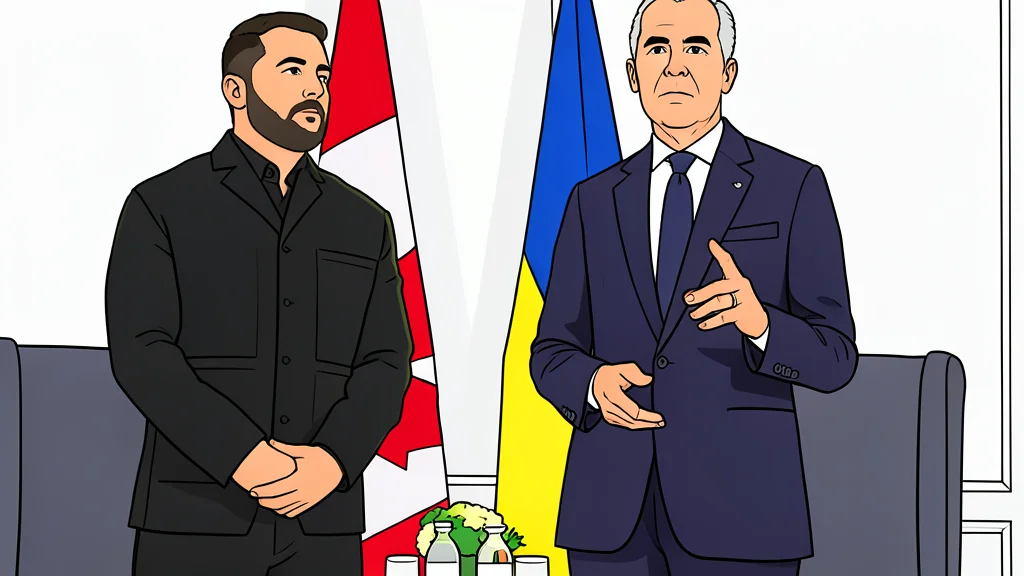
Ottawa is in talks to join the European Union's major financial aid package for Kyiv, aiming to finalize its contribution before a late-October summit in Montreal.
Canada is in discussions with the European Union regarding its potential participation in the bloc’s 90 billion-euro support loan for Ukraine, sources familiar with the matter indicated. The Financial Times reported that both sides are working to determine the specific amount Ottawa will contribute to the package. This move would mark a significant expansion of Canada’s financial role in the ongoing conflict, positioning it as a key non-EU partner in sustaining Kyiv’s economic and military stability.
According to the reporting, officials from both jurisdictions hope to finalize the contribution details before the EU-Canada Summit scheduled for late October in Montreal. The loan, originally unveiled in early 2026, is designed to serve as a critical financial lifeline for Ukraine, with a substantial portion of the funds earmarked for defense procurement. As Russian forces continue to target Ukrainian infrastructure, the urgency for reliable supply chains of air defense systems and ammunition remains high, making additional international backing a strategic priority for Kyiv.
Strategic Realignment in North America
The push to join the loan is viewed by analysts as part of a broader diplomatic strategy by Canadian Prime Minister Mark Carney to deepen ties with Europe. This approach aims to reduce Canada’s economic and political dependence on the United States, particularly amid ongoing trade tensions and shifting transatlantic dynamics. By aligning more closely with European institutions, Ottawa seeks to diversify its international partnerships and assert a more independent stance on global security issues.
Carney has previously expressed interest in a formalized 'association membership' with the EU, signaling a long-term vision for closer integration. While the UK remains the only other non-EU nation currently participating in the Ukraine Support Loan, Canada’s potential entry would solidify a transatlantic coalition of support. This alignment reflects a growing consensus among Western nations that sustained financial and military aid is essential for Ukraine’s resilience against continued Russian aggression.
Deepening Bilateral Defense Cooperation
Recent diplomatic engagements between Ottawa and Kyiv have underscored a commitment to long-term partnership. In September, Canada and Ukraine declared a 100-year partnership, agreeing to expand cooperation in defense, energy, technology, and reconstruction. Following discussions between President Volodymyr Zelensky and Prime Minister Carney, the two leaders announced agreements and investment commitments worth more than two billion dollars, highlighting a robust framework for future collaboration.
Since the start of Russia’s full-scale invasion in 2022, Canada has committed approximately 8.5 billion dollars in military support and over 750 million dollars for Ukraine’s recovery efforts. These contributions have included significant new military aid packages, such as the 900 million dollars announced in July. The proposed loan participation would complement these direct transfers, providing Ukraine with greater fiscal flexibility to manage its war economy and secure essential equipment from global markets.
Upcoming Summit Sets Timeline
The Montreal summit in late October is expected to be a critical juncture for this negotiation. Observers are watching for concrete announcements regarding the scale of Canada’s contribution, which could influence other nations considering similar moves. The outcome will also signal the depth of Canada’s commitment to European security architectures and its willingness to take on a more active role in funding Ukraine’s defense needs.
As the geopolitical landscape continues to evolve, the integration of Canada into the EU’s financial support mechanism represents a notable shift in transatlantic cooperation. Stakeholders will closely monitor the final terms of the agreement, as they may set a precedent for how non-EU countries engage with European-led initiatives in support of Ukraine’s sovereignty and territorial integrity.