Tensions Rise Amidst Uncertainty over Iran Nuclear Program
Amidst escalating rhetoric and stalled diplomatic channels, regional actors are assessing the potential for renewed confrontation over Tehran's nuclear ambitions and the strategic implications for global energy routes.
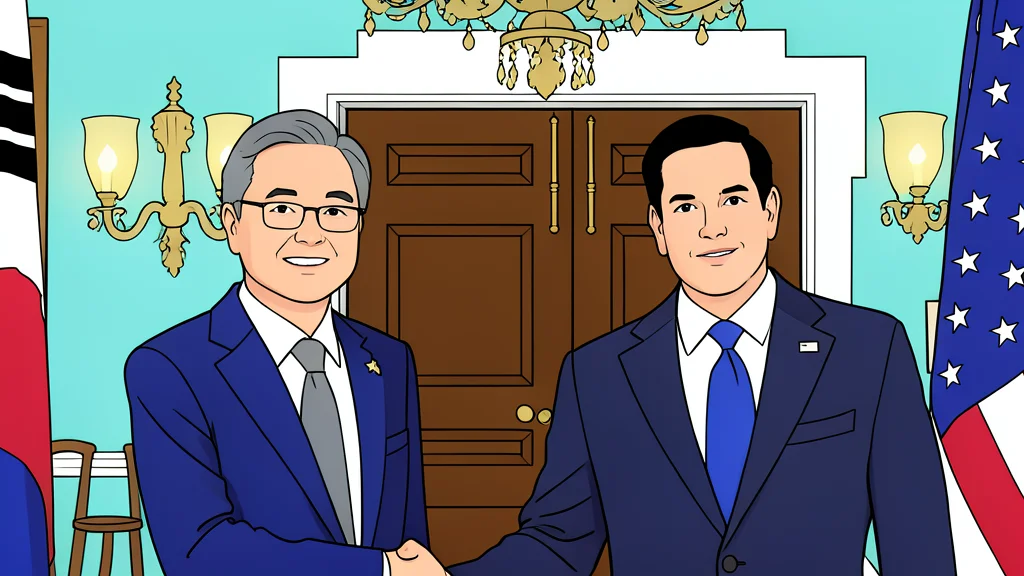
The geopolitical landscape in the Middle East is currently defined by a fragile equilibrium, characterized by intense rhetorical exchanges and stalled diplomatic mechanisms. According to recent reports from GN auto geopolitics/middle-east: Iran nuclear, the situation involves complex interactions between Washington, Jerusalem, and Tehran. Prime Minister Benjamin Netanyahu has made public declarations suggesting the eventual collapse of the Iranian regime, while Iranian officials have responded with vows of resistance against perceived external aggression. This dynamic occurs against the backdrop of stalled United Nations Security Council proceedings, where China and Russia recently vetoed efforts to extend sanctions reviews, signaling a continued divergence in international approaches to Tehran.
Analysts suggest that the current lull in direct military conflict may be temporary, with political cycles in the United States potentially influencing the pace of diplomatic or military engagement. The timing of U.S. midterm elections is a significant variable, as political calculations in Washington often dictate the level of direct support provided to allies in the region. Observers note that rising oil prices and concerns regarding the security of the Strait of Hormuz are adding economic pressure to an already tense security environment. The interplay between domestic political needs and foreign policy commitments remains a critical factor in determining whether the region moves toward de-escalation or further confrontation.
Diplomatic Stalls and Sanctions
The inability to reach a consensus at the United Nations has left a vacuum in multilateral pressure on Iran. With the veto of the sanctions review extension by major powers, the leverage of international bodies has been diminished. This has shifted the focus toward bilateral and regional strategies, where the United States and Israel are coordinating more closely. The International Atomic Energy Agency continues to urge Iran to re-engage with verification processes, yet the agency faces significant challenges in accessing certain sites. The lack of a unified international front complicates efforts to curb nuclear advancements, leaving regional security arrangements as the primary line of defense against potential threats.
Regional cooperation is also evolving, with recent diplomatic upgrades between Israel and Morocco highlighting a broader shift in alliances. Meanwhile, Turkey has emphasized its close ties with Iran, illustrating the complex web of relationships in the region. These divergent alignments create a fragmented security environment where different actors have competing interests. The potential for miscalculation is heightened in such a setting, where information asymmetry and competing narratives can lead to unintended escalations. The strategic calculus for each nation is influenced not only by their own security needs but also by the actions and reactions of their partners and adversaries.
Military Posturing and Proxy Networks
Military preparedness has become a central theme in recent developments, with Israel warning that it will not remain passive if Iran resumes efforts to develop nuclear weapons. The coordination among regional military leaders, including a recent gathering hosted by U.S. Admiral Brad Cooper, suggests a concerted effort to monitor and respond to threats. The presence of Iranian proxies, such as the Houthis in Yemen, who have launched attacks on Saudi targets, underscores the decentralized nature of the conflict. These proxy networks serve as instruments of pressure, allowing Tehran to exert influence without direct confrontation, while simultaneously testing the resolve of regional and international powers.
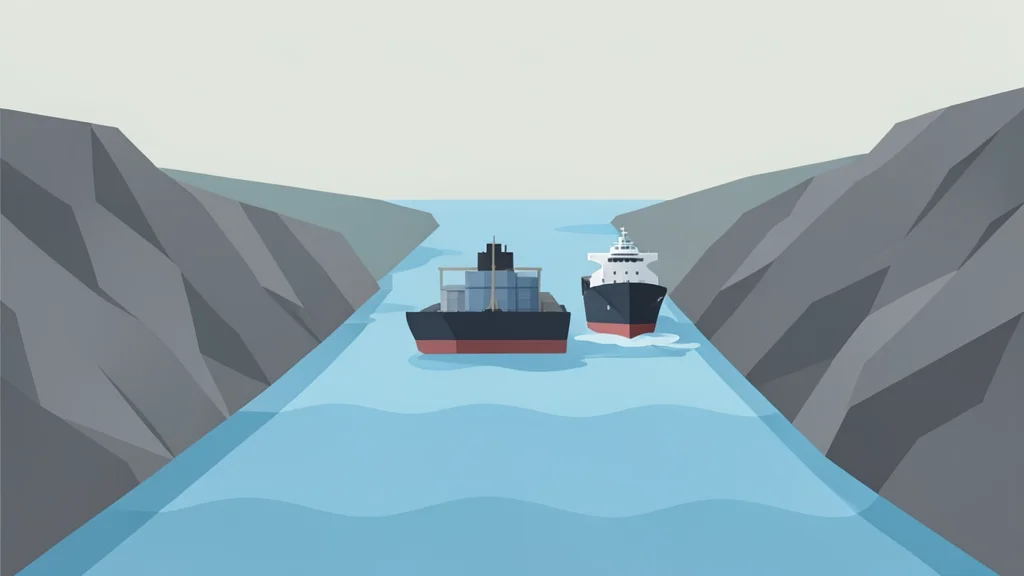
The strategic importance of the Strait of Hormuz cannot be overstated, as it remains a critical chokepoint for global energy supplies. Any disruption in this waterway would have immediate economic repercussions, influencing global markets and potentially drawing in more international actors. The military capabilities of Iran in this region, combined with the defensive postures of neighboring states, create a high-stakes environment where even minor incidents could have disproportionate consequences. The balance of power in this area is delicate, requiring constant vigilance and clear communication to avoid accidental escalation. The interplay between military readiness and diplomatic restraint defines the current state of affairs.
Nuclear Ambitions and Verification Challenges
The core of the tension remains Iran's nuclear program, with significant questions persisting regarding the location and status of highly enriched uranium. Reports indicate that over 400 kilograms of material may be unaccounted for, raising concerns about the possibility of a rapid breakout capability. The International Atomic Energy Agency's inability to fully verify the status of certain underground facilities adds to the uncertainty. This lack of transparency fuels suspicion and drives the hardline positions of both Israel and the United States. The potential for a nuclear-armed Iran is viewed as an existential threat by many in the region, driving the push for preemptive or preventive measures if diplomatic solutions fail.
As the situation evolves, the focus turns to the next moves by key stakeholders. The outcome of U.S. political processes, the response of Iran to international pressure, and the stability of regional alliances will all play crucial roles in shaping the future trajectory. The potential for a renewed military confrontation is a real possibility if diplomatic channels remain closed and nuclear activities continue to advance. The coming weeks will be critical in determining whether the region moves toward a new phase of conflict or manages to maintain a fragile peace through careful maneuvering and dialogue.