Trump Faces Skeptics at UN Amidst Prolonged Iran Conflict
President Trump returns to the United Nations General Assembly to address a global audience that is increasingly doubtful of his claims regarding the Iran conflict, as regional instability and economic pressures mount.
President Donald Trump is set to address the United Nations General Assembly in New York, returning to the global stage to assert that the United States has successfully dismantled Iran’s nuclear capabilities. This narrative stands in sharp contrast to the prevailing view among many international observers, who argue that the conflict has evolved into a prolonged stalemate with significant unintended consequences for global energy security and regional stability.
The diplomatic atmosphere in New York is characterized by a deep skepticism toward Washington’s strategic objectives. While the administration portrays the military campaign as a decisive victory, analysts note that the situation has hardened into an uneasy impasse. This disconnect is exacerbated by recent developments in the Red Sea, where allied forces have lost significant ground, raising questions about the United States’ capacity to protect its regional partners.
Regional Instability Deepens
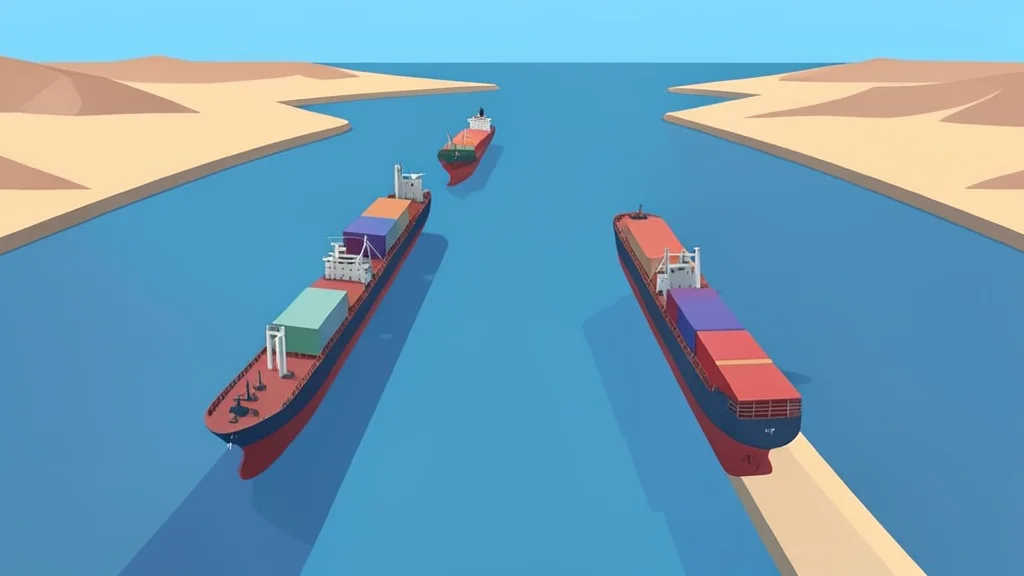
According to reporting from GN auto geopolitics/middle-east: Iran nuclear, the conflict has expanded beyond initial expectations, with Houthi forces in Yemen securing control over critical shipping corridors. This advance has tightened the grip on the Bab el-Mandeb Strait, a vital chokepoint for global oil shipments. The development has dealt a significant blow to Saudi Arabia and exposed vulnerabilities in the security architecture that Washington has long championed in the region.
The economic fallout is increasingly visible, with energy prices spiking and domestic gasoline costs rising in the United States. These factors are contributing to a decline in presidential approval ratings, creating political headwinds ahead of the upcoming midterm elections. Former policy advisers have warned that launching a war of choice without fully anticipating these ripple effects has placed the administration in a precarious position.
Disputed Nuclear Claims
A central point of contention remains the status of Iran’s nuclear program. The administration claims that previous airstrikes obliterated Tehran’s enrichment infrastructure, yet independent experts suggest that the damage, while severe, did not result in the total destruction of the program. Reports indicate that stockpiles of highly enriched uranium may remain buried, posing a persistent long-term threat that contradicts the administration’s narrative of a resolved nuclear danger.
European and Asian allies have largely declined to join the US-led military efforts, citing economic damage and a lack of prior consultation. This diplomatic isolation underscores a growing divergence between Washington’s self-perception as a peacemaker and the reality of a conflict that has intensified regional hostilities. The administration continues to insist that its actions were necessary to prevent an imminent threat, a stance that remains highly contested by international experts.
Looking Ahead to Outcomes
As the UN session progresses, the focus will shift to whether diplomatic channels can re-emerge to manage the escalating tensions. Observers are watching closely for any signs of de-escalation or, conversely, further military commitments that could deepen the stalemate. The next phase of this conflict will likely be defined by the ability of regional actors to secure their maritime interests while navigating the complex web of American foreign policy decisions.