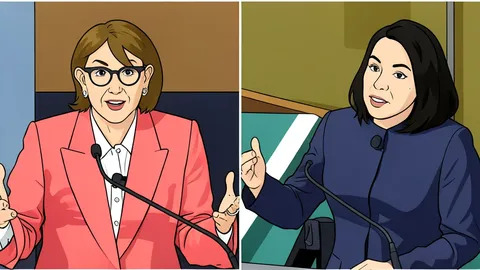
Bessent and He Finalize Agenda for Xi-Trump Summit
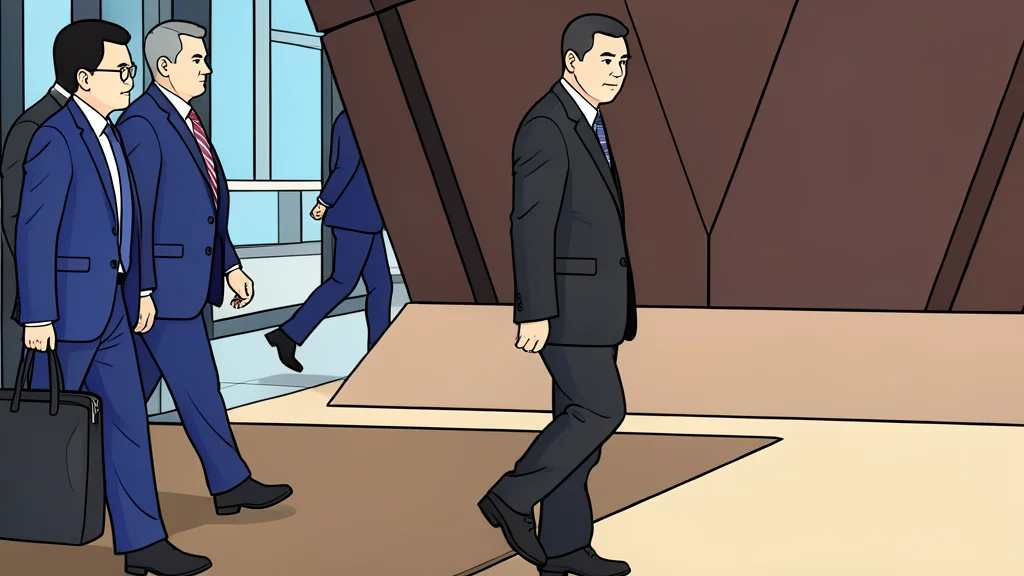
US and Chinese officials concluded final preparatory talks in New York, focusing on rare earths and AI governance ahead of the leaders' meeting.
Key points
- US and Chinese officials held final preparatory talks in New York to set the agenda for the upcoming Xi-Trump summit.
- Discussions focused on renewing the rare earths agreement and creating a tariff-reduced trade board for non-sensitive sectors.
- The meetings initiated a long-awaited dialogue on artificial intelligence safety and governance between the two nations.
US Treasury Secretary Scott Bessent and Trade Representative Jamieson Greer concluded final preparatory discussions with Chinese Vice Premier He Lifeng in New York on Sunday. According to reports from scmp.com, these talks were designed to establish concrete deliverables for the upcoming summit between President Donald Trump and President Xi Jinping, which is scheduled to take place next week in Washington.
The meeting, held at JP Morgan’s headquarters, marked the last major diplomatic engagement before the leaders sit down together. Officials indicated that the primary objectives were to define potential economic outcomes and to initiate a long-awaited dialogue regarding artificial intelligence safety and governance, signaling a shift toward structured cooperation in high-stakes technological and trade domains.
Economic Frameworks and Trade Mechanisms
Key economic items on the agenda include the potential renewal of the Busan agreement concerning rare earth materials. Additionally, the delegations discussed the possible implementation of a US-China Board of Trade. This proposed mechanism aims to create a structured environment for tariff-reduced trade in non-sensitive sectors, offering a pathway to stabilize bilateral commerce amidst ongoing geopolitical tensions.
Artificial Intelligence Governance Dialogue
Beyond traditional trade issues, the New York talks served as a platform to begin a formal dialogue on AI safety. This marks a significant step as both nations seek to establish shared standards and governance frameworks for emerging technologies. The inclusion of this topic reflects a growing recognition that uncoordinated development in AI could pose systemic risks, necessitating international coordination even in areas of strategic competition.
Precedent Set by Recent Meetings
This latest round of negotiations mirrors the diplomatic cadence established in May, when Bessent and He held talks in Seoul just days before the leaders met in Beijing. The repetition of this pattern suggests a deliberate strategy to use senior-level technical talks to de-risk the high-stakes leader-to-leader summits. By resolving or clarifying complex policy details beforehand, officials aim to ensure that the presidential meetings can focus on high-level direction rather than getting bogged down in granular disputes.
The forward question remains how effectively these preparatory agreements can be translated into durable policy changes. Observers will closely watch whether the proposed Board of Trade materializes and if the AI governance dialogue moves from preliminary discussions to binding or semi-binding commitments, as these factors will likely define the tone of US-China relations in the coming months.