Trump Signals Potential End to Iran Conflict as Gulf Leaders Convene
The US President suggests the war is nearing its conclusion, setting the stage for high-stakes diplomatic talks in New York.
US President Donald Trump indicated on Wednesday that the ongoing conflict with Iran may be approaching its final phase. Speaking to reporters, he expressed hope that the war is nearing its end, a statement that contrasts with the current state of hostilities which have persisted for seven months without a clear resolution in sight. His remarks suggest a shift in rhetoric toward potential de-escalation, though no concrete diplomatic breakthrough has been announced.
According to reports from Axios, Trump is expected to meet with leaders from the Gulf Cooperation Council on the sidelines of the United Nations General Assembly. The agenda for these discussions is reportedly focused on US strategies for the postwar period, involving representatives from Saudi Arabia, the United Arab Emirates, Qatar, Bahrain, Kuwait, and Oman. The State Department and the White House have not yet provided official confirmation or additional details regarding the scope of these negotiations.
Diplomatic Efforts and Regional Alignment
The President stated that Iran has expressed interest in reaching a deal, although he did not provide specific details on the terms or the status of negotiations. He mentioned receiving direct communication from Tehran, a development that could signal a back-channel dialogue between the two adversaries. These comments align with previous assertions that Washington is open to diplomatic solutions, provided they meet certain security benchmarks. The involvement of Gulf states in these talks underscores the regional dimension of the conflict and the shared interest in stabilizing the area.
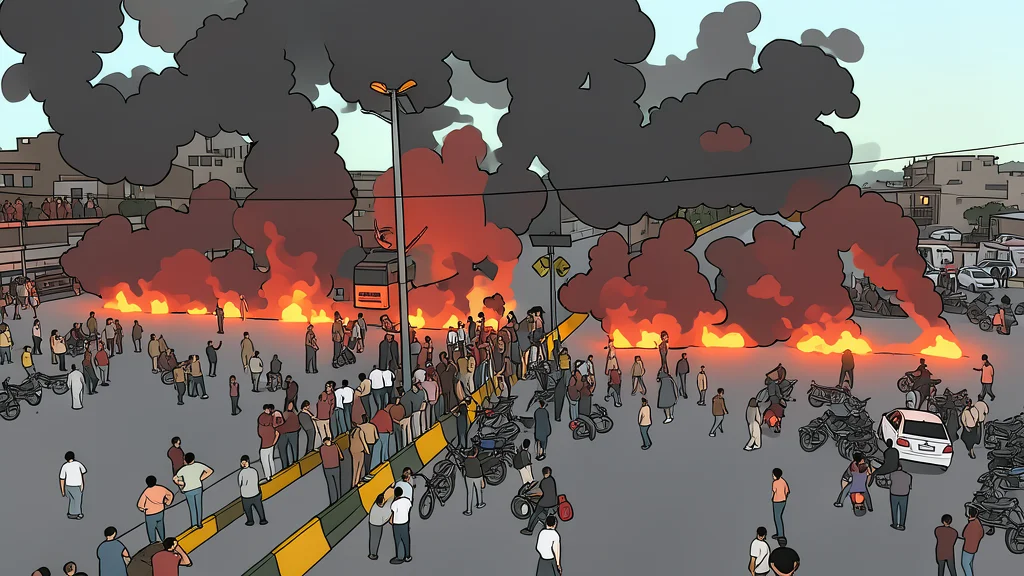
However, the path to a resolution remains complicated by the significant humanitarian toll of the conflict. Strikes by the US and Israel on Iranian targets, as well as Israeli operations in Lebanon, have resulted in thousands of deaths and the displacement of millions of civilians. The scale of the destruction has raised international concerns about the long-term stability of the region and the potential for further escalation if diplomatic efforts fail to materialize.
Economic Pressures and Domestic Politics
The conflict has had a tangible impact on global energy markets, with oil and gas prices rising significantly due to the disruption in the Middle East. This economic strain has become a focal point for US domestic politics, particularly as the Republican Party faces the upcoming midterm elections in November. The rise in energy costs is a sensitive issue for voters, potentially influencing political discourse and policy decisions related to the war. The administration faces pressure to balance national security objectives with economic stability and voter sentiment.
Trump has cited the weakening of Iran’s nuclear capabilities as a primary objective of the military campaign. Iran maintains that its uranium enrichment program is for peaceful purposes and does not possess nuclear weapons. The US, a nuclear-armed state, has framed its actions as a defense against potential proliferation threats. The discrepancy in goals and the shifting timelines provided by the administration have created uncertainty about the ultimate scope and duration of the engagement.
Forward-Looking Challenges and Uncertainty
As the UN General Assembly approaches, the focus will turn to whether the announced meetings yield tangible progress toward a ceasefire or a broader peace framework. Observers are watching for signs of direct negotiation between Washington and Tehran, as well as the level of coordination among Gulf states. The next steps will likely depend on whether diplomatic channels can bridge the gap between military objectives and political realities. The coming days will be critical in determining if the conflict moves toward a negotiated conclusion or continues to escalate.
The geopolitical landscape remains fluid, with multiple actors weighing in on the outcome. The success of the upcoming talks will hinge on the willingness of all parties to compromise on key issues, including security guarantees and economic sanctions. For now, the situation remains one of cautious optimism mixed with significant uncertainty, as the world waits to see if the rhetoric of an impending end to the war translates into action.