Sudan Mine Collapse Tragedy Highlights Crisis in Gold Trade
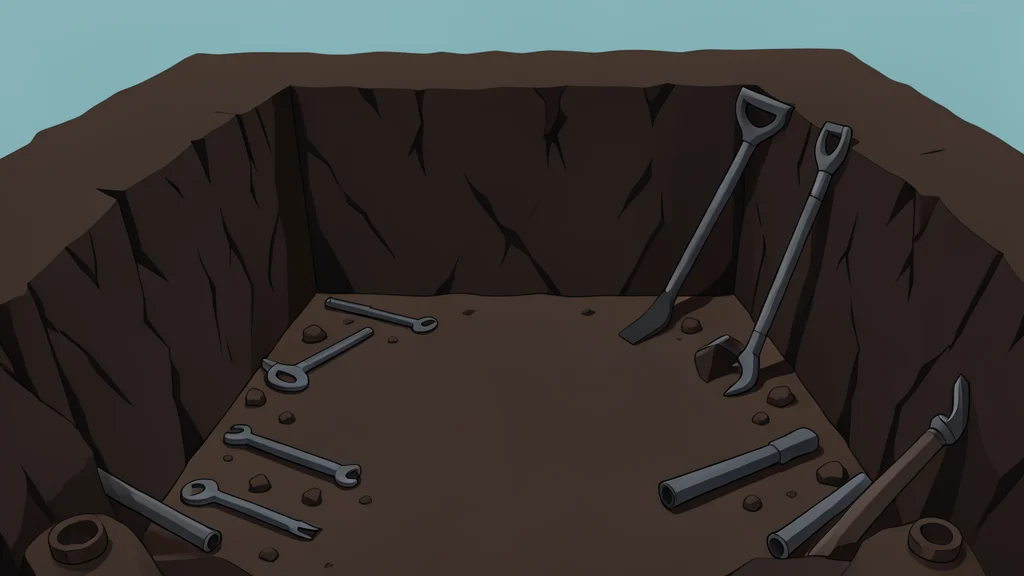
A catastrophic collapse at a gold mine in West Kordofan has killed at least 82 people, exposing the deadly human cost of Sudan's unregulated mining sector amid ongoing conflict.
A gold mine collapse in southern Sudan has resulted in the deaths of at least 82 individuals, with dozens more injured and many others feared trapped beneath tons of sand and rubble. Local administrators within the Rapid Support Forces, which controls the West Kordofan region, confirmed the grim toll on Wednesday, noting that rescue efforts have been hampered by a lack of heavy machinery and the structural instability of the site.
The incident underscores the precarious nature of artisanal mining in the region, where young men often work with rudimentary tools for meager wages. According to industry sources cited by GN auto geopolitics/africa: Sudan conflict, nearly two million people were employed in this sector before the war, yet the conditions remain hazardous and largely unregulated, leaving workers vulnerable to both industrial disasters and the broader conflict.
Rescue Efforts Hinder by Limited Resources
Survivors described an all-night struggle to retrieve bodies using only the same basic tools they use for extraction. Khair al-Sayyed Jabara, one of the few to emerge, stated that the situation was dire, emphasizing the critical need for heavy equipment to clear the rock and soil. Another miner, Al-Amin Suleiman, warned that the proximity of the shafts meant a single collapse could trigger a chain reaction, trapping more people underground.
Gold Revenue Fuels Ongoing Conflict
The war in Sudan has been largely financed by the country's gold trade, valued at billions of dollars. Both the military and the Rapid Support Forces are believed to rely on these revenues to sustain their operations. Officials and mining sources indicate that a significant portion of the extracted gold flows to the United Arab Emirates, which has denied allegations that it arms the paramilitary group.
In response to the exploitation of resources and the associated environmental and human costs, the European Union and the United Kingdom recently announced sanctions targeting illicit gold and finance networks. These measures aim to disrupt the supply chains that support weapons procurement and the broader conflict, though enforcement remains challenging in a region where much of the activity is informal and cross-border smuggling is prevalent.
Humanitarian Crisis Deepens in West Sudan
West Kordofan, along with the neighboring Darfur region, remains under the control of the Rapid Support Forces, which has faced accusations of serious human rights violations. The area's governance capabilities are limited, leaving residents largely dependent on aid and community networks for survival. The collapse adds to the humanitarian burden in a region already strained by displacement and severe hunger.
As the international community watches, the forward question remains how effective sanctions and diplomatic pressure will be in curbing the exploitative gold trade that continues to fuel the conflict. The tragedy at Al-Zaraa serves as a stark reminder of the human cost embedded in Sudan's resource economy, a cost that persists despite growing global awareness and regulatory attempts.