UK Deploys Tanker to Refuel Saudi Jets Against Houthi Attacks
Britain has agreed to air-to-air refuelling for Saudi Arabia, extending its defensive role in the escalating conflict with Yemen's Houthis.
Key points
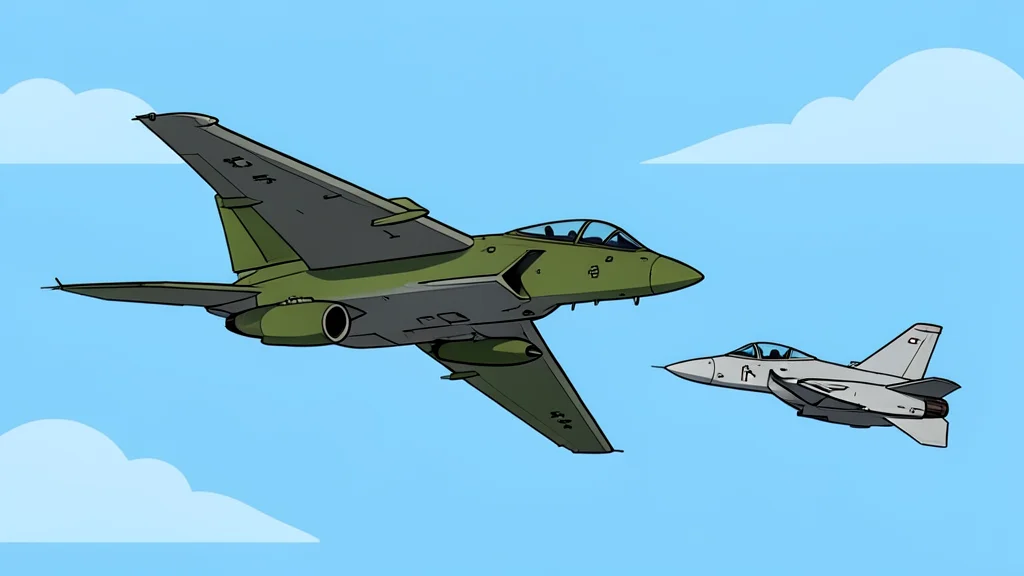
- The UK will deploy one RAF Voyager tanker to refuel Saudi fighter jets, extending their patrol and response times.
- Houthis have seized the port city of Mocha and Mayyun Island, threatening the Bab al-Mandeb Strait shipping route.
- British officials state the support is time-limited and intended to protect regional stability and global energy supplies.
The United Kingdom has agreed to provide military support to Saudi Arabia by deploying a Royal Air Force tanker aircraft to refuel its fighter jets. British Prime Minister Andy Burnham announced the decision on Monday, stating that London accepted the request to enhance defensive capabilities amid intensifying hostilities with Yemen’s Iran-backed Houthi group.
According to the British government, this arrangement is time-limited and focused on protecting regional stability and energy supplies. The move comes as fighting in the region has escalated significantly, with the Houthis recently seizing strategic coastal positions and targeting Saudi infrastructure, prompting a broader international response to secure vital trade routes.
Defensive Support Expands Beyond Air Defenses
The UK’s Ministry of Defence clarified that the new refuelling support builds upon existing contributions to Saudi Arabia’s air defense. According to the department, British personnel and equipment are already assisting in protecting against missile and drone attacks, and the addition of a Voyager tanker aircraft allows Saudi jets to remain airborne longer for patrolling and response missions.
Prime Minister Burnham emphasized that the UK is acting to secure its own interests and those of the wider region, particularly regarding the flow of oil and trade. He noted that the decision was made on the advice of his defence and foreign secretaries, underscoring a commitment to protecting vital energy supplies without directly joining the kinetic conflict on the ground.
Houthi Advances Threaten Red Sea Shipping
The diplomatic and military escalation follows a significant resurgence in violence in Yemen. The Houthi group has advanced toward the Red Sea coast, capturing the strategic port city of Mocha and Mayyun Island in the Bab al-Mandeb Strait. This control threatens a critical chokepoint through which approximately 12 percent of global trade passes, adding economic pressure to the existing security concerns.
Beyond maritime threats, the group has targeted Saudi oil infrastructure, including damaging a section of the East-West Pipeline. These actions have forced Saudi Arabia to seek robust air defense and extended surveillance capabilities, according to regional analysts and official statements. The conflict has thus shifted from a local civil war to a broader regional security crisis impacting global energy markets.
Regional Stability Remains Under Strain
As the UK expands its involvement, the focus remains on maintaining open trade routes and encouraging a diplomatic resolution. The situation highlights the complex interplay between regional security, energy security, and international trade, with multiple nations now weighing the risks of direct intervention against the need to protect vital economic arteries.
Observers will watch closely whether this limited support leads to further international engagement or if it remains a strictly defensive measure. The next developments in the conflict, particularly regarding Houthi movements in the Bab al-Mandeb Strait and potential further attacks on infrastructure, will likely determine the scale of ongoing Western support in the region.