US and Iran Engage in UNGA Talks on Hormuz and War End
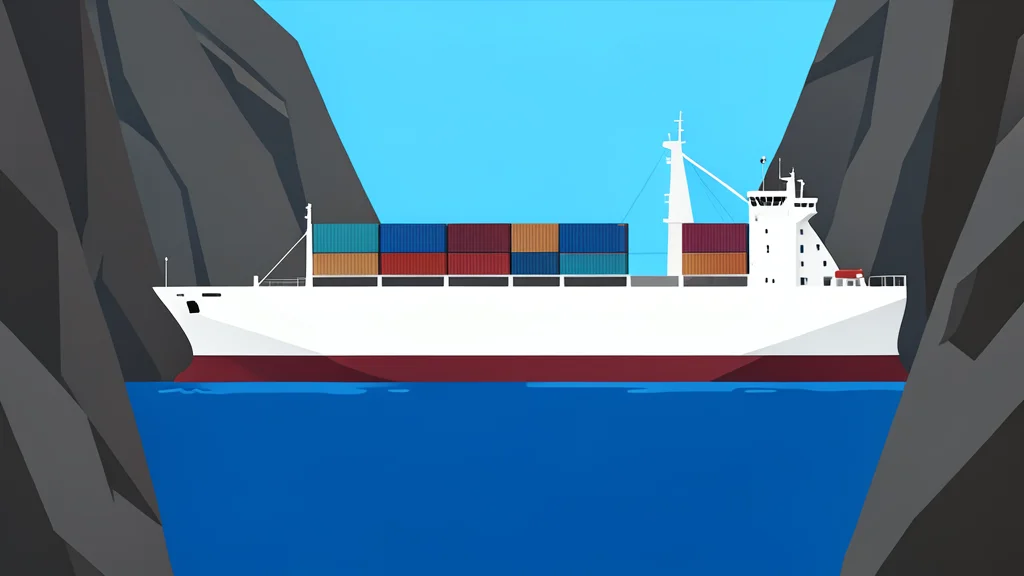
Mediated discussions in New York focus on lifting naval blockades and unfreezing assets, with officials citing potential momentum for a settlement.
Key points
- US and Iran held mediated talks at the UN General Assembly to end hostilities and reopen the Strait of Hormuz.
- Iran conditioned diplomatic progress on the US lifting its naval blockade and unfreezing Iranian assets.
- Qatar and other regional states are actively working to de-escalate tensions and promote maritime stability.
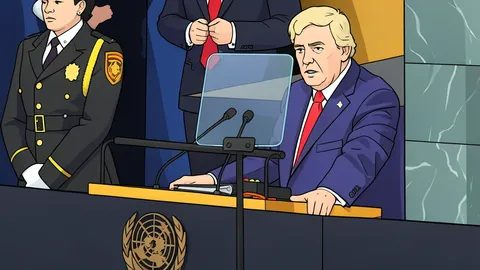
The United States and Iran have conducted hours of indirect negotiations on the sidelines of the United Nations General Assembly in New York, aiming to resolve ongoing hostilities and reopen the Strait of Hormuz. According to Al Jazeera English, these talks represent a significant diplomatic effort to de-escalate tensions, with mediators shuttling between the two delegations throughout the day.
While accounts vary regarding the directness of the contact, US special envoy Steve Witkoff confirmed that his team, including Jared Kushner, held extensive discussions with Iranian officials. President Donald Trump described the meeting as productive, suggesting there is considerable momentum toward an agreement, although the White House later clarified that the President himself did not attend the sessions.
Iran links progress to lifting blockades
Tehran has tied further diplomatic progress to specific concessions from Washington. Iranian state media reported that the conditions for ending the conflict include lifting the US naval blockade, releasing frozen Iranian assets, and halting military pressure on groups Tehran describes as resistance fronts.
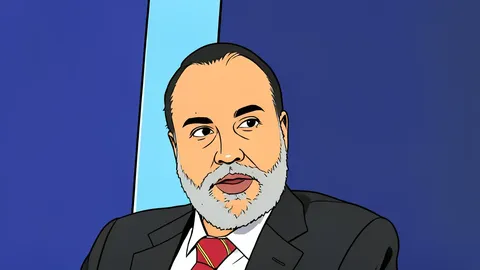
A senior Iranian official told Reuters that the delegation in New York holds full authority to pursue these diplomatic goals, describing the UN gathering as a golden opportunity for dialogue. The official noted that Iran could reopen the Strait of Hormuz within seven days if the United States eases its military pressure and lifts the blockade of Iranian ports.
Regional mediators seek broader stability
The bilateral talks are part of a wider regional effort to reduce tensions. Qatar has been actively working with Pakistan to safeguard freedom of navigation and promote stability in the area.
Qatar’s Prime Minister and Foreign Minister, Sheikh Mohammed bin Abdulrahman bin Jassim Al Thani, met with Iranian Foreign Minister Abbas Araghchi in New York to discuss de-escalation and create conditions for continued dialogue. Oman has also played a role in maritime diplomacy, contributing to the broader push for a peaceful resolution.
Future steps depend on US response
The next phase of these negotiations will hinge on Washington’s response to Tehran’s demands. An Iranian security source indicated there is room for further engagement if the United States meets the stated conditions and commits to a peaceful framework.
Observers are watching closely to see if the momentum cited by US officials translates into concrete actions regarding the naval blockade and asset freezes, which remain the central obstacles to a lasting settlement.