US Diplomacy and Military Moves in the Iran Conflict
Washington aims to solidify a global consensus against Iranian nuclear ambitions at the UN, while naval assets return from prolonged deployments in the Middle East.
President Donald Trump intends to place the prevention of a nuclear-armed Iran at the center of his upcoming address to the United Nations General Assembly. According to U.S. Ambassador Mike Waltz, the administration plans to articulate a clear diplomatic stance that Tehran must be barred from acquiring nuclear weapons. This diplomatic push coincides with ongoing military tensions in the region, where officials suggest that recent operations, referred to as Operation Epic Fury, are nearing a conclusion. Trump has indicated that the end of these operations would lead to a subsequent drop in gas prices, linking military de-escalation directly to economic outcomes.
As Washington prepares its diplomatic case, the United Nations Security Council has expressed concern over the expanding scope of the conflict. The council stated that recent attacks and threats from the Iran-backed Houthis in Yemen risk further widening the dispute, posing threats to maritime security and international trade. The 15 members of the council called for practical cooperation to prevent the Houthis from acquiring arms, military training, and financing. This diplomatic warning arrives amid heightened security alerts in Saudi Arabia, where authorities reported intercepting incoming missiles and drones targeting the kingdom.
Naval Assets Return From Deployment
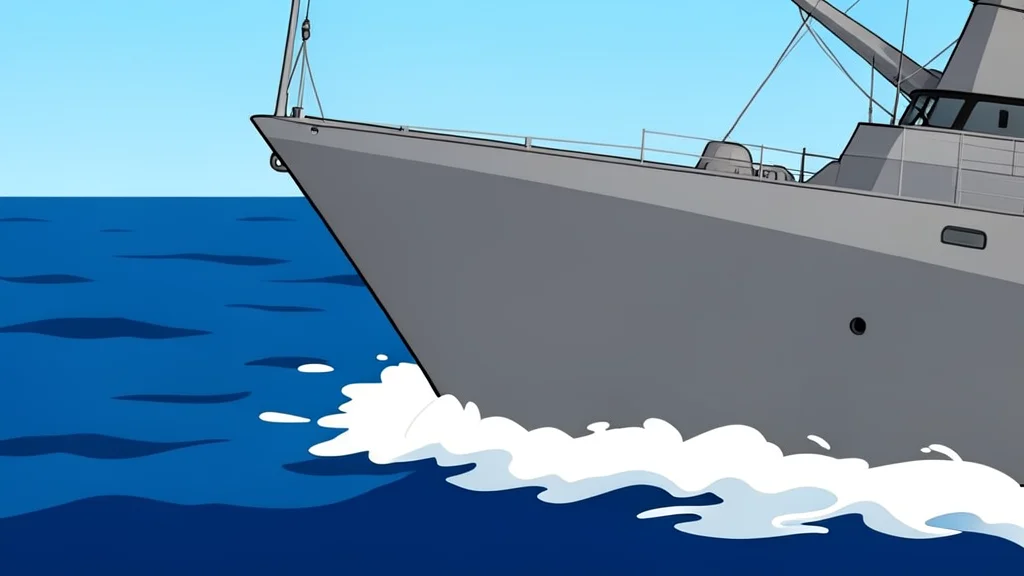
The U.S. Navy’s 7th Fleet announced that the USS Abraham Lincoln, flagship of Carrier Strike Group 3, has arrived in Guam for a logistics stop. This marks the first return to American soil for the crew in nine months, during which they have been deployed in support of the U.S.-Iran conflict. USNI News reported that the aircraft carrier has been at sea for 302 days and is currently making its way toward the U.S. west coast. The arrival highlights the significant duration of the naval commitment in the region, where the carrier strike group has played a central role in maintaining a military presence.
Security Alerts Across Saudi Arabia
Saudi Arabia issued a series of emergency alerts across the kingdom, including in its capital Riyadh, late Friday and early Saturday. The National Platform for Early Warning in Emergency Situations warned of a hostile aerial threat, leading to audible explosions in the area. While no casualties were reported after the alerts were lifted, images released by Reuters showed smoke rising from the fuel storage depot at King Khalid International Airport. Saudi authorities have previously reported intercepting Houthi missiles and drones, and the recent warnings follow days when the country claimed to have destroyed a drone attempting to enter airspace near Mecca.
Regional Escalation and Diplomatic Watch
The situation in the region remains fluid, with Israel’s military responding to injuries sustained by soldiers in southern Lebanon. The Israel Defense Forces stated that it struck Hezbollah infrastructure after an explosive device injured two soldiers in the Security Zone. These developments underscore the interconnected nature of the conflicts involving Iran, the Houthis, and Hezbollah. As the administration prepares to present its case at the UN, the focus will be on whether diplomatic efforts can contain the military escalation that has already affected maritime routes and regional stability. Observers will watch closely for any shifts in the tone of the U.N. address and the immediate military responses from regional actors.