US Strategy Shifts Toward Arab Security Coalitions
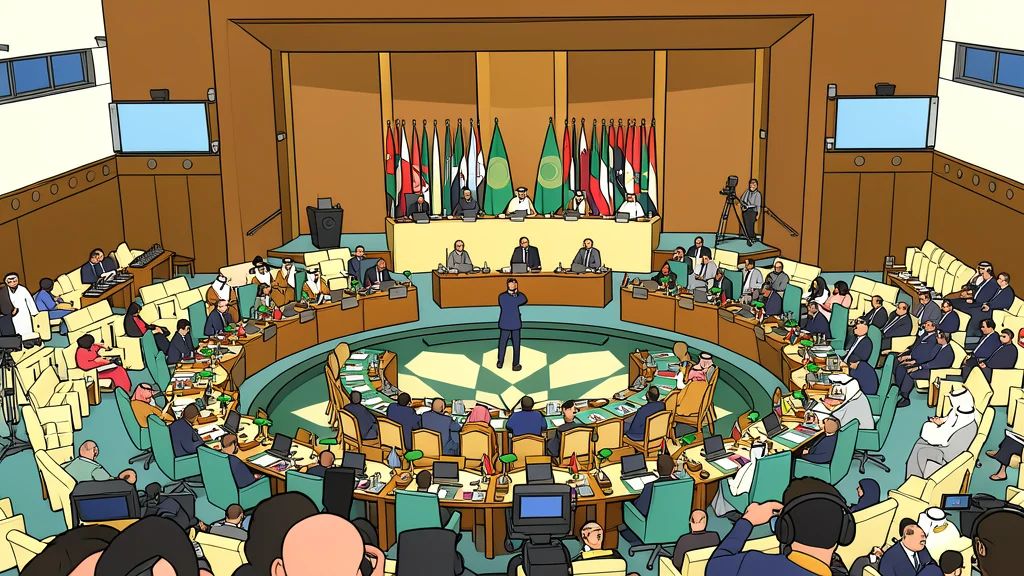
Washington is recalibrating its Middle East posture, moving from direct intervention to supporting regional self-reliance. This shift emphasizes burden-sharing with Gulf states and Egypt, aiming to stabilize the region through intra-Arab cooperation rather than unilateral American action.
According to analysis from GN auto geopolitics/middle-east: Middle East diplomacy, the United States is transitioning its approach to the Middle East from direct frontline engagement to a role focused on strategic backing and burden-sharing. This shift, outlined in recent national security strategies, prioritizes the Indo-Pacific and homeland security, signaling a deliberate reduction in direct military involvement in regional conflicts. However, this does not represent an abandonment of the region; rather, it reflects a calculation that regional powers are increasingly capable and willing to manage their own security concerns.
The rationale for this change is rooted in the evolving threat landscape and the economic capabilities of Arab states. With significant oil wealth and advanced military acquisitions, Gulf nations, Egypt, and Jordan possess the resources to form cohesive security coalitions. These governments now view threats such as Iranian proxy networks and maritime disruptions as direct existential risks to their own stability, rather than abstract geopolitical issues. This alignment of interests creates a foundation for collective action that was less pronounced in previous decades.
Regional Powers Forge Defense Pacts
Recent developments illustrate this growing autonomy. Following Houthi disruptions in the Red Sea, Saudi Arabia led the formation of a Multinational Maritime Defense Alliance, including Egypt, Jordan, Kuwait, Bahrain, and Qatar. This move demonstrated a willingness to secure shipping lanes without waiting for a U.S. naval response. Furthermore, the signing of the Mecca Joint Defense Agreement with Turkey and Pakistan established a collective security framework, effectively hedging against potential gaps in American guarantees. These structures suggest that Arab states are building independent mechanisms to protect their interests.
Washington’s current strategy involves supporting these initiatives rather than replacing them. By providing intelligence, advanced defense systems like THAAD, and deterrence against threats that exceed regional capacity, the U.S. maintains influence while reducing direct operational burdens. This approach leverages the fact that Arab governments have a more direct stake in regional stability than external powers. Their proximity to conflict zones and economic dependencies on stable energy flows drive them to act decisively where American political will may be more constrained.
Incremental Diplomacy Gains Traction
In the context of Israeli-Palestinian relations, the focus is shifting toward incremental diplomacy rather than comprehensive peace accords. Analysts note that the Abraham Accords succeeded because they addressed mutual security and economic interests without demanding immediate resolution of the Palestinian question. Current proposals follow a similar logic, prioritizing humanitarian de-escalation and economic benefits before addressing complex security files. This step-by-step approach, reminiscent of earlier shuttle diplomacy, aims to create irreversible gains through verifiable commitments and clear benchmarks.
Watch For Coalition Sustainability
The critical question now is whether these regional coalitions can maintain cohesion in the absence of constant American mediation. The success of this new model depends on the ability of Arab states to manage internal differences and external threats independently. Observers should watch for the durability of the Mecca Agreement and the effectiveness of the Red Sea defense alliance. If these structures prove resilient, they may redefine the security architecture of the Middle East, with the United States playing a supporting rather than leading role.