ING Reverses Stance to Expect December Rate Hikes
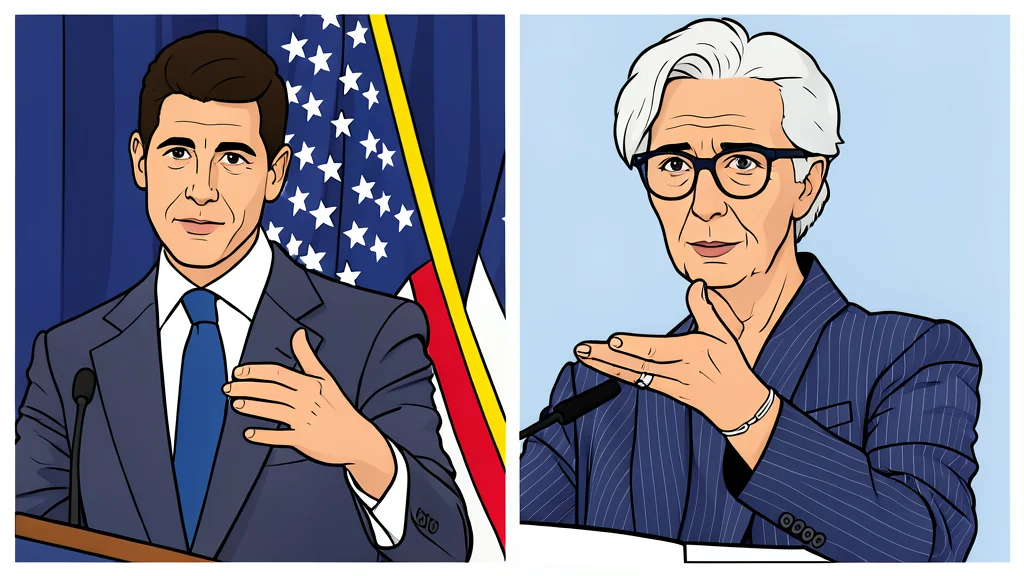
ING now projects a 25 basis point increase from both the Federal Reserve and the European Central Bank in December, marking a sharp shift from prior dovish forecasts.
ING has updated its monetary policy outlook to expect a rate hike from both the Federal Reserve and the European Central Bank in December. This represents a significant reversal from earlier predictions that both institutions would pause their tightening cycles. The change reflects a broader hawkish repositioning within both central banks following recent meetings.
The bank also revised its yield forecast, now expecting the US 10-year treasury yield to end the year above 5 percent. This adjustment aligns with the expectation of sustained higher interest rates across major economies. The shift underscores growing concerns about persistent inflation driven by supply-side shocks.
Dual Hawkish Pivot Emerges
Historically, the Federal Reserve has led new monetary cycles, with the ECB typically following three to six months later. This pattern has broken down in the current cycle. The ECB is now acting in tandem with the Fed, creating a rare instance of synchronized tightening.
Both central banks face similar dilemmas involving surging energy prices and resilient economic activity. The prolonged conflict in the Middle East has pushed energy costs to new highs. This increases the risk that inflation will spread beyond energy sectors into broader goods and services.
Fed Driven By Inflation Control
The Federal Reserve’s decision is not primarily driven by strong economic data. The labor market remains stable with low hiring and low firing rates, which keeps wage growth in check. Tariff-related cost increases have largely been absorbed by businesses, aided by IEEPA tariff refunds.
Inflation drivers like shelter costs are cooling due to a stagnant property market. The Fed’s focus is instead on accelerating the convergence of inflation to its 2 percent target. It fears that unchecked energy price spikes could trigger broader cost increases. This risk outweighs the current lack of pressure from wages and housing.
Energy Shocks Drive Policy
ING notes that the risk of further hikes exists if energy prices remain elevated into 2027. However, the bank’s base case assumes a return to lower energy costs by year-end. This scenario relies on the reopening of the Strait of Hormuz and limited pass-through of costs to consumers.
The current policy stance aims to prevent second-round inflation effects from materializing. Central banks are acting preemptively to anchor expectations. This approach prioritizes price stability over immediate economic support.