Brent Crude Rises to $99.8 After Riyadh Airport Strike
Brent crude climbed to $99.8 as Houthi attacks on Saudi infrastructure tightened global supply.
Brent crude rose to $99.8 following a Houthi strike on Riyadh Airport. West Texas Intermediate traded at $96.2. Open interest in WTI contracts reached $173 million. The price move reflects immediate supply concerns. Flight cancellations occurred at the targeted airport. A Saudi Aramco fuel depot was also hit. This was the first air raid alert issued by Saudi authorities in this conflict.
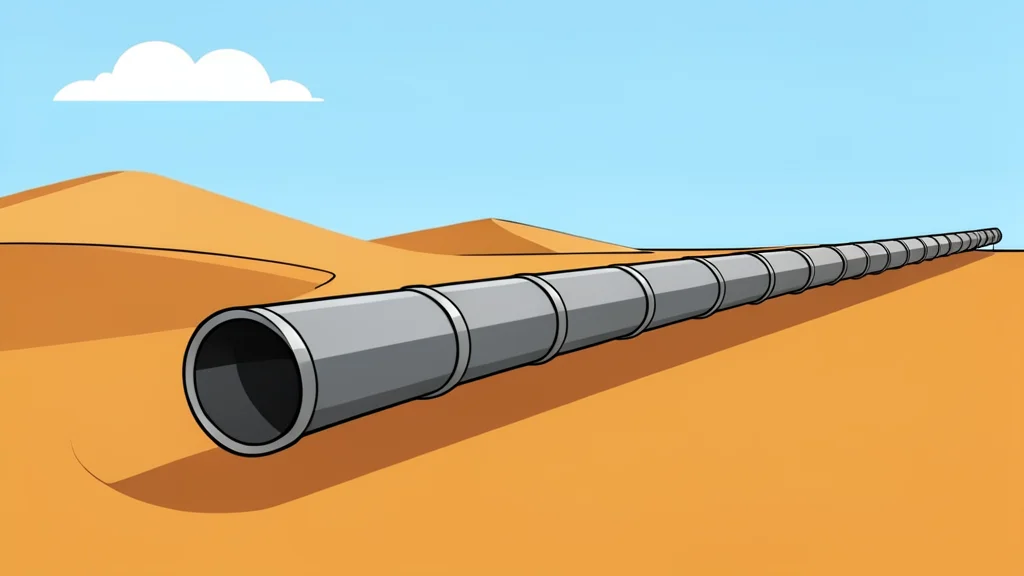
The attack occurred after the East-West pipeline ceased operations. This pipeline has moved millions of barrels since the US-Iran conflict began. Analysts estimate repairs will take months rather than weeks. Parts shortages and weather conditions delay the work. Repaired infrastructure remains a target for Iranian and militia groups. These factors constrain Saudi export capacity for the near term.
Strait of Hormuz Traffic Declines
Iran continues to strike vessels in the Strait of Hormuz. Only a small number of ships cross the narrow waterway. This disruption adds to the supply risk. Russia and Ukraine are also targeting energy assets. These simultaneous conflicts create overlapping pressure on global oil flows. Market participants cite these geopolitical risks in their pricing models.
US Strategic Reserves Hit Four Decade Low
US Strategic Petroleum Reserve levels fell to 284 million barrels. This is the lowest level in over forty years. Reserves stood at 415 million barrels in January. Data from the Energy Information Administration confirms this drop. China’s crude imports rose by 6.2% in August. Demand growth contrasts with shrinking strategic buffers. Chevron CEO Michael Wirth warned that prices may keep rising. He cited depleting reserves and falling supplies as key drivers.
Bank Forecasts Point to Higher Prices
Goldman Sachs analysts project oil could reach $120. This scenario assumes the supply shock persists. JPMorgan stated it sees no clear endgame for oil markets. The US-Iran war remains in a stalemate. Diplomatic talks have not resumed. President Trump has hinted the conflict may end after midterm elections. That election is forty-five days away. Iran may seek to escalate hostilities to influence price levels. GN auto markets/energy: crude oil prices reports highlight these sustained risks.