China's Oil Reserves Curb Global Price Spikes Amid Conflict

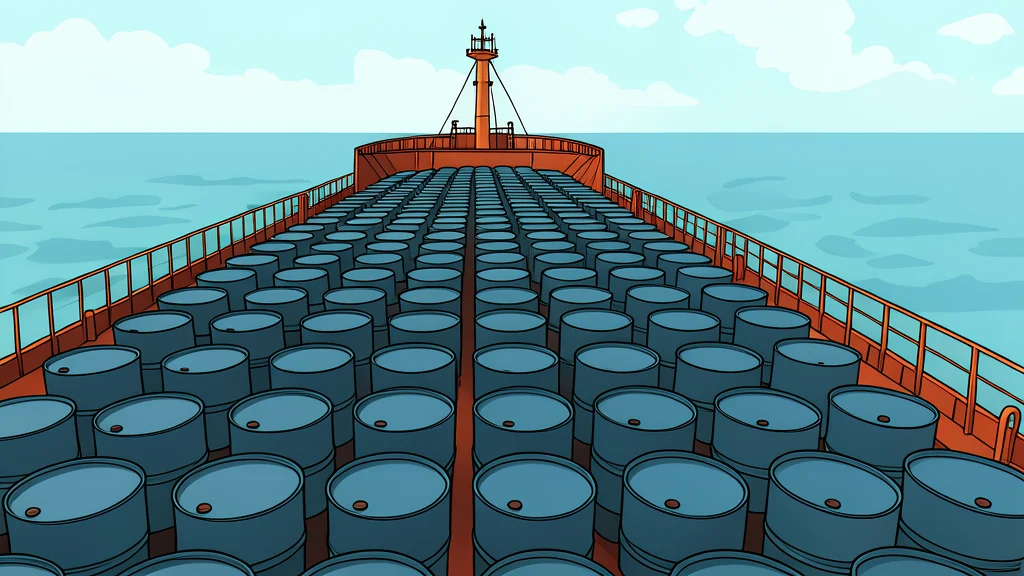
Brent crude remains below $100 a barrel six months into the US-Iran conflict. This stability is driven by Beijing's strategic reserve of 1.4 billion barrels, which has absorbed supply shocks and reduced global demand pressure.
Crude oil prices remain below the $100 per barrel threshold despite six months of active conflict between the United States and Iran. Analysts attribute this price cap to China's massive strategic petroleum reserve. The reserve stands at approximately 1.4 billion barrels as of the end of last year. This stockpile has allowed Beijing to reduce crude imports significantly. Lower Chinese demand has softened price increases for the US and Europe.
Rosemary Kelanic, director of the Middle East program at Defense Priorities, described the dynamic as the US "free-riding" on Beijing’s strategy. She noted that China acts to protect its own economic interests from a global downturn. Rising oil prices would hurt the global economy, which in turn harms China. The US benefits from the resulting price stability without contributing to the buffer. This dynamic persists as tensions remain high in the Middle East.
Strategic Reserves Absorb Supply Shocks
Beijing spent a decade building the world's largest oil stockpile. The US Energy Information Administration estimates the reserve reached 1.4 billion barrels by late last year. This accumulation was a core part of China’s latest five-year plan for energy self-reliance. When the Strait of Hormuz effectively closed, China cut imports sharply. This reduction in demand prevented a global supply shortage from spiking prices immediately.
Retired US Navy Rear Admiral Mark Montgomery highlighted the efficiency of China's build-up. He stated that China achieved in ten years what the US took twenty-five years to accomplish after the 1973 oil crisis. The strategic reserve provides a buffer against external supply risks. It allows China to weather prolonged disruptions in the Middle East. This resilience has had a direct stabilizing effect on global energy markets.
Regional Escalation Threatens Price Stability
New threats are emerging in the Red Sea and Gulf regions. Iran-backed Houthi forces have seized two strategic islands in the southern Red Sea. They also disrupted a vital Saudi pipeline that transports crude to Red Sea ports. These actions threaten to further restrict global supply routes. Negotiations among Gulf nations to reopen the Strait of Hormuz have been suspended.
Bank of America analysts forecast oil at $83 per barrel for the second half of the year. They base this on persistent disruptions to Hormuz traffic. However, they warn prices could reach $95 to $120 per barrel if violence escalates. Damage to major energy infrastructure could spike prices to $150 per barrel. The current stability depends on the continued cooperation of regional actors.
Diplomatic Efforts Face Economic Pressure
President Donald Trump is scheduled to meet with Gulf Cooperation Council leaders in New York. This meeting will occur on the sidelines of the UN General Assembly. The group includes Saudi Arabia, the UAE, Qatar, Oman, Kuwait, and Bahrain. Trump seeks to maintain a trade truce with Beijing. He has avoided public criticism of China’s relationship with Iran. This diplomatic caution reflects the economic stakes of the energy market.
Xi Jinping is making a state visit to Washington next week. Voters are pressuring Republican leaders over high gasoline prices. The conflict in the Middle East continues to spread. The buffer provided by China’s stockpiles is being tested. The outcome of these diplomatic talks will influence future oil supply. Markets remain vigilant to any changes in regional security.