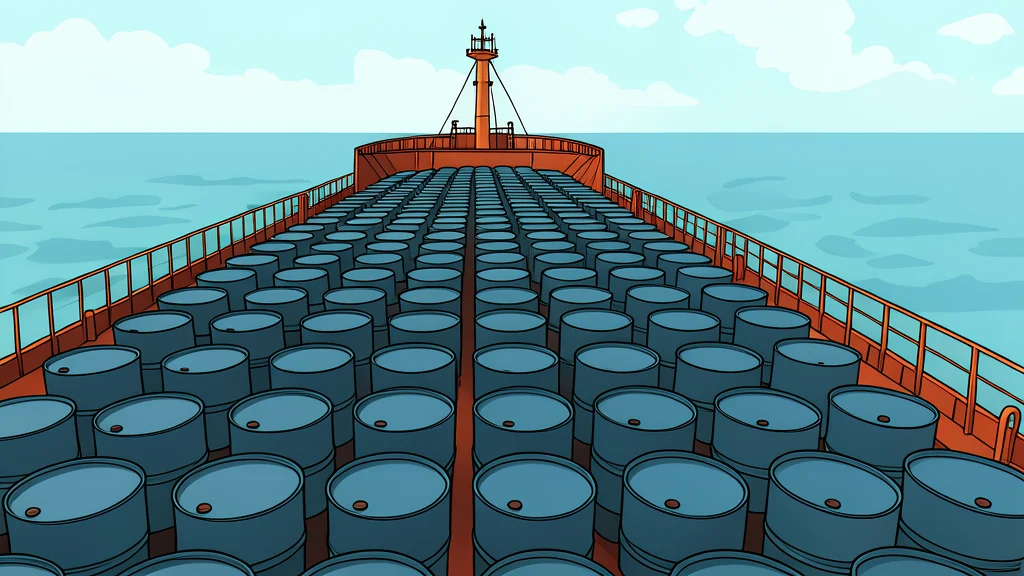
Fuel Costs Rise to Historic Levels

Gasoline prices are projected to reach $6.60 per gallon by the weekend. Diesel costs have doubled for many agricultural operations. Airlines are preparing to cut less profitable routes.
Gasoline prices are projected to reach $6.60 per gallon by the end of the weekend. This forecast comes from Patrick De Haan, head of petroleum analysis at GasBuddy. The increase follows a sustained upward trend in fuel costs across the United States. Drivers face higher expenses for daily commuting and long-distance travel. The market data from GN auto markets/energy: gasoline prices confirms the sharp rise in retail fuel costs.
Diesel prices are also approaching historic levels when adjusted for inflation. De Haan noted that six-dollar and almost seven-dollar diesel is having a tremendous impact. Farmers report that fuel expenses for their operations have doubled. Jon Turner, owner of Turner Farms, stated that a fill-up that cost $100 now costs $200. This direct increase in input costs squeezes profit margins in the agricultural sector.
Airlines consider route cuts
Airlines face rising jet fuel costs that threaten profitability. Executives from United, American, and Southwest Airlines have discussed eliminating cheaper flights. Southwest Chief Financial Officer Tom Doxey called capacity reduction a natural response. He stated that this action would follow if high fuel prices persist. The goal is to maintain financial stability by focusing on more lucrative routes.
Etihad Airways Group CEO Antonoaldo Neves identified jet fuel as his primary concern. He noted that strong forward bookings continue despite the cost pressure. Neves warned that prolonged high fuel levels could lead to higher ticket prices. This may impact customers' willingness to fly. The airline industry is closely monitoring fuel markets to adjust its strategy.
Historic price comparisons
Current diesel prices are near the inflation-adjusted high from 2008. De Haan confirmed that the market is close to that historical peak. Airfares in June, July, and August were roughly 25% higher than a year earlier. This data comes from the Consumer Price Index. The increase reflects the broader impact of rising energy costs on consumer spending.
The pressure on drivers, farmers, and airlines is a direct result of fuel price spikes. No sector has remained untouched by the rising costs. Businesses are adjusting their operations to cope with the new economic reality. The market remains volatile as supply and demand dynamics shift. Stakeholders continue to watch for signs of stabilization in fuel prices.