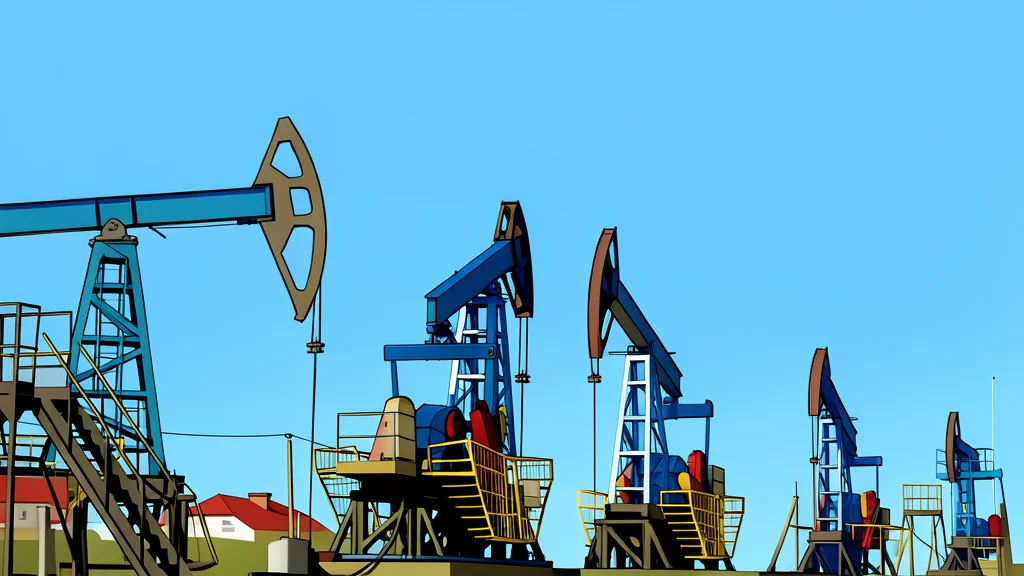
Heating Oil Costs Rise 31% as Inflation Hits Households
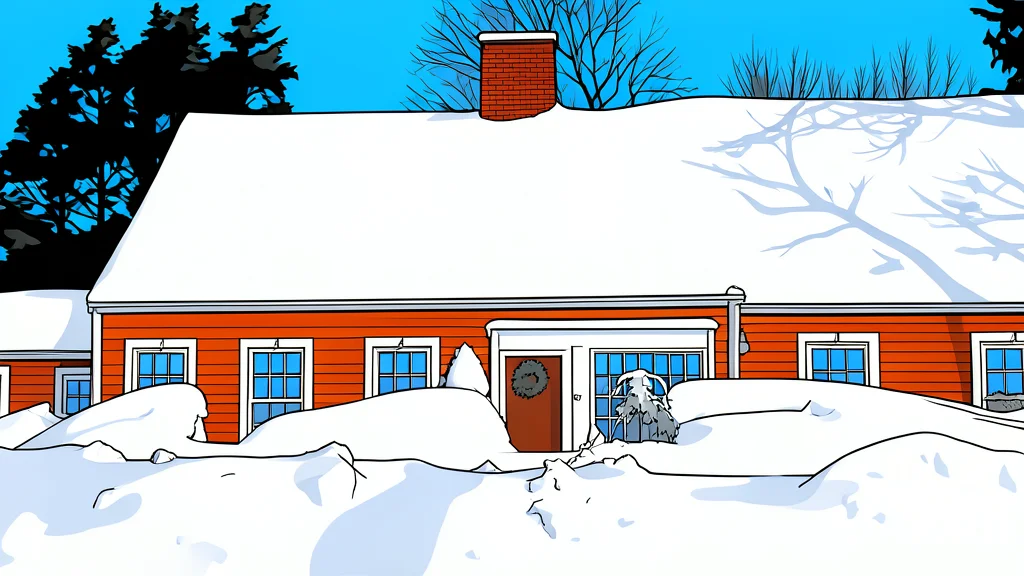
Heating costs are projected to rise at twice the pace of overall inflation this winter. The average U.S. household will spend $1,030 on heating, marking an 8.7% year-over-year increase.
Heating costs are projected to rise at twice the pace of overall inflation this winter. The average U.S. household will spend $1,030 on heating, marking an 8.7% year-over-year increase. This surge follows a historic oil shortage triggered by geopolitical conflict in the Middle East.
Households relying on heating oil face the steepest burden. Prices for this fuel are up 31.3% compared to last year. Natural gas users see a smaller but significant jump of 5.8%. These figures come from a report by the National Energy Assistance Directors Association.
Oil supply disruption drives price spike
Global oil prices stand at approximately $103 per barrel. This level is nearly 50% higher than pre-war levels. The conflict has prompted the release of hundreds of millions of barrels from strategic reserves. Diesel prices have reached record highs as a result.
The average price of a gallon of regular gasoline is $4.46. This data comes from the American Automobile Association. The sustained high in crude costs continues to pressure other energy sectors. Heating oil prices in Maine are up 74% from the previous year.
Regional impact hits heating oil users
Maine residents face an average cost increase of $675 per tank. A standard 275-gallon tank now costs significantly more to fill. The Maine Department of Energy Resources reports this sharp rise. Low-income families are prioritizing fuel over other essentials like groceries and medication.
Alicia Fasulo of The Opportunity Alliance notes that fuel costs have never been this high. Her organization has served clients for seven years. The financial strain is forcing difficult choices for many households in the region. The cost pressure is distinct from general inflation trends.
Federal aid covers only one in five
The Low Income Home Energy Assistance Program provides $4 billion in annual support. Only one in five eligible households accesses this aid. Demand for assistance exceeds available resources. The program is critical for roughly 5,000 applicants served by local non-profits.
Inflation remains at 3.4% as of August. Analysts expect elevated prices to persist into the winter months. Weather patterns like El Niño may offer some relief. However, the structural cost increase from oil scarcity remains the primary driver. According to GN markets/inflation, these trends are reshaping household budgets.