German Housing Permits Rise 1.9 Percent in July
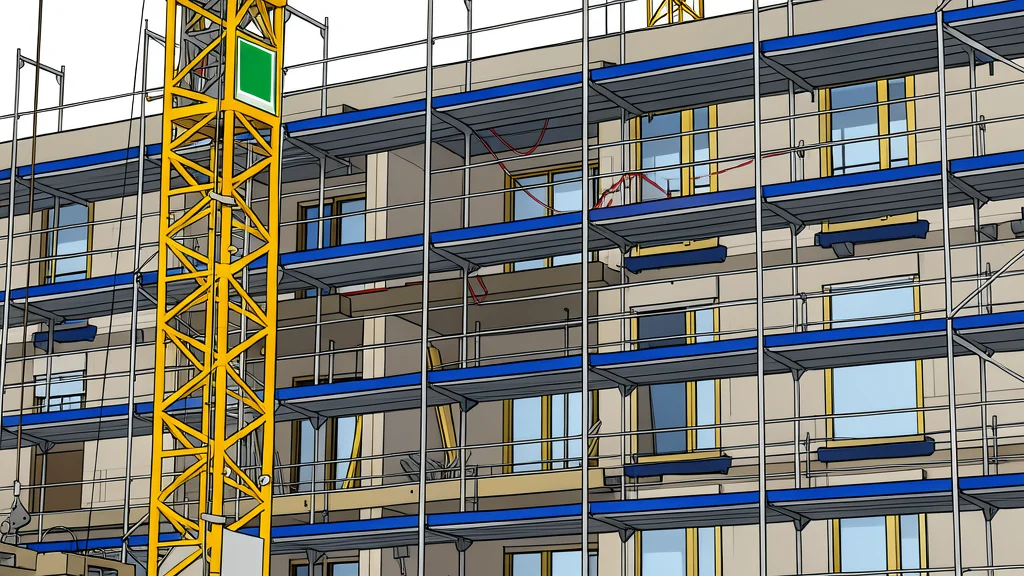
Building permits in Germany climbed to 22,500 in July, marking a 1.9 percent annual increase. The industry reports a cautious recovery from a historically low base.
Housing construction permits in Germany increased by 1.9 percent year-on-year in July. The total volume reached 22,500 approvals, according to the Federal Statistical Office. This figure marks a continued upward movement in the housing sector after previous declines.
Authorities issued permits for 148,800 homes in new and existing buildings from January to July. This represents a 12.9 percent increase compared to the same period in 2025. Higher interest rates and material costs had previously deterred many builders from starting projects.
Industry demands faster legislative action
Dirk Salewski, president of the German Association of Free Real Estate and Housing Companies, noted that key points for the Building Type E were announced almost a year ago. This framework aims to make construction easier and faster. However, no bill has been presented to parliament yet.
The association calls for the federal government to accelerate its announced measures. The lack of a concrete draft law remains a point of criticism. Builders seek regulatory clarity to stabilize planning horizons and reduce administrative hurdles.
Housing demand far exceeds current supply
Felix Pakleppa, chief executive of the Central Association of the German Construction Industry, described the trend as a cautious upward movement. He emphasized that this recovery starts from a historically low level. The current volume of construction activity remains insufficient.
Annual housing demand in Germany stands at approximately 320,000 units. Current building activity falls well short of this target. The gap between demand and supply persists despite the recent increase in permits. Handelsblatt Finanzen reports that the sector remains skeptical about the sustainability of this trend.
Regulatory uncertainty continues to weigh on plans
The absence of a finalized law creates uncertainty for investors and developers. Projects depend on clear legal frameworks for approval processes. The delay in legislative progress hampers the ability to scale up construction output.