Carrick Under Fire: United Seek New Direction
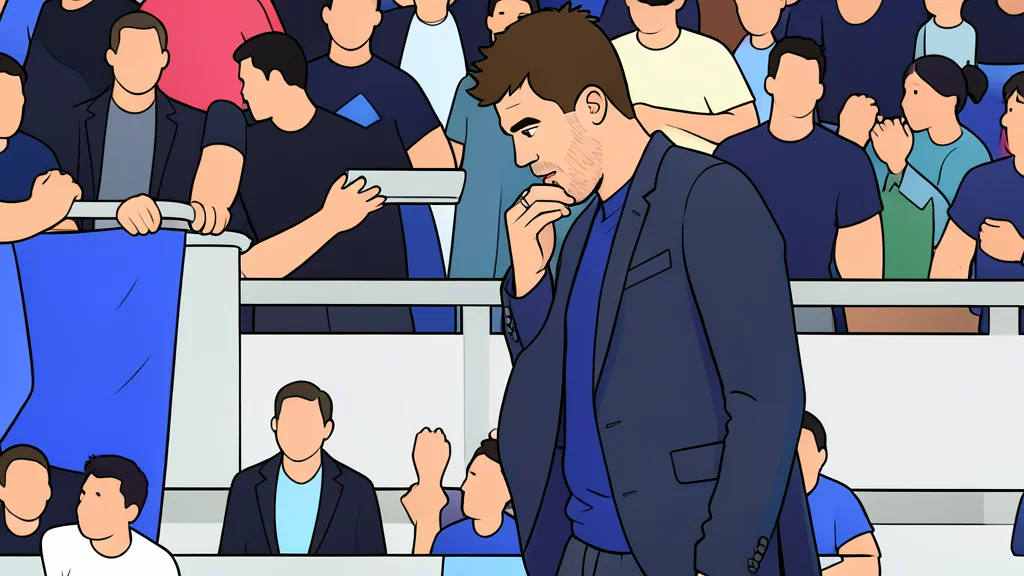
Old Trafford smells of defeat. One month in, Michael Carrick faces a reckoning as the Red Devils collapse under the weight of expectation and tactical mismatch.
The air inside the stadium hung heavy with the scent of damp grass and shattered hope. Wednesday’s League Cup clash against Brighton did not end with a roar of triumph, but with a silent, suffocating defeat. Manchester United threw away a two-goal lead, a tactical blunder that echoes back through nearly fifty years of club history. The net rippled with the final strike, a physical reminder of a season spiraling out of control. It was not just a loss of points; it was a loss of identity, a stark contrast to the brief, bright interim spell that had once offered a glimmer of redemption.
The hierarchy at the club now looms over Carrick like a storm cloud. Four points from the last four Premier League matches against Hull, Ipswich, Everton, and Manchester City have stripped away the initial goodwill. The pressure is no longer abstract; it is a physical weight pressing down on the dugout. According to GN sports/football (en-US), the management is poised to reverse its decision, viewing the current trajectory not as a stumble but as a fundamental failure of vision. The clock is ticking, and the search for a successor has begun in the shadows of the boardroom.
Nagelsmann’s Tactical Risk
Julian Nagelsmann stands as the most prominent name in the rumor mill, a coach whose career has been a whirlwind of high-energy transitions. Yet, his profile presents a dangerous paradox for United. He hails from the same tactical lineage as Ralf Rangnick, whose tenure at Old Trafford ended in chaos and public discord. Nagelsmann’s preference for an intense, high-pressing style clashes violently with the current squad’s physical limitations. The players struggle to maintain that intensity, and his favored 3-5-2 formation exposes the midfield in ways that the current roster cannot cover. Hiring him would signal a return to a rebuilding rhythm that the owners, focused on immediate stability, are eager to avoid.
Howe’s English Dilemma
Eddie Howe represents a different kind of challenge. As the premier English manager in recent memory, he brings an attacking flair that resonates with the club’s heritage. His time at Newcastle and Bournemouth was defined by positive, watchable football, a stark improvement over the current stalemate. However, the shadow of the English managerial curse looms large. The history of British coaches failing to sustain elite performance at major clubs is a painful memory for United. While Howe’s tactical versatility is undeniable, the fear remains that he may lack the specific depth required to navigate the complexities of a top-tier European campaign without significant structural support.
McKenna’s Familiar Limits
Kieran McKenna offers a familiar face, a coach who knows the corridors of Old Trafford intimately. His return would be a move of convenience, leveraging his existing relationships within the club. Yet, his recent trajectory at Ipswich, where relegation was sealed with games to spare, raises serious questions about his capacity for a Champions League-level project. While he is a versatile coach capable of maximizing a limited squad, the leap from the Championship to the pinnacle of European football is a vast chasm. The board must decide if internal loyalty outweighs the urgent need for a proven elite strategist.