FAW Chief Mooney Rejects Infantino's Fifa Reform Narrative
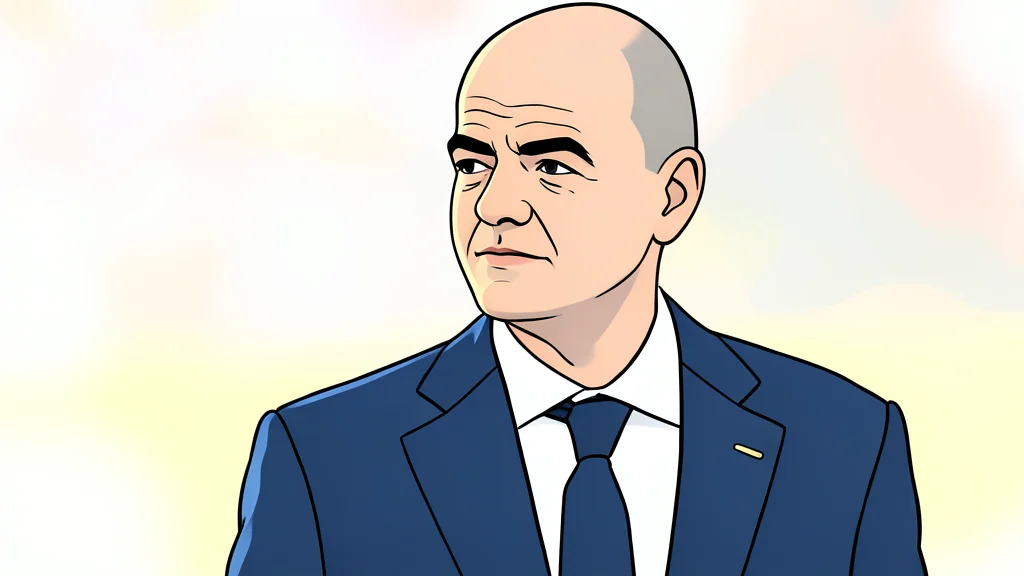
Noel Mooney dismisses claims of sweeping governance changes, arguing the letter targets project consultations rather than structural overhaul.
Key points
- FAW chief Noel Mooney states the Fifa letter focuses on strategic project consultations rather than governing body reform.
- Mooney rejects the idea of selling World Cup stakes to private investors, citing the need to protect the game's integrity.
- The FAW demands a 100% increase in support for national associations to match the projected revenue growth for the 2026 World Cup.
The ink was still fresh on Gianni Infantino’s letter when Noel Mooney read it. He did not see a revolution. He saw a memo about strategic projects. The Football Association of Wales chief executive rejects the narrative that world football’s governing body is teetering on the brink of a structural collapse. For Mooney, the headlines have outpaced the text.
Infantino proposed an external review, a process designed to recommend potential improvements. The Welsh chief insists the document targets how decisions are made around specific initiatives, not the core of Fifa itself. It is a semantic distinction, but Mooney treats it as a chasm. The tension between the presidency and national associations has never been more palpable.
Reform Claims Clash With Document Reality
Mooney spoke to BBC Radio Wales with a directness that cuts through diplomatic fog. He challenged the interpretation that the letter signals a wholesale overhaul of Fifa’s operations. To him, the focus is narrow: consultations and decision-making processes surrounding strategic projects. The broader narrative of institutional reform, he argues, is a misreading of the source material.
This skepticism lands in the context of the aborted Fifa Forward Enterprise proposal. That plan, which sought to sell stakes in the World Cup to private investors, triggered a widespread backlash. The FAW was among the first to withdraw support for Infantino’s continued leadership. The memory of that failed venture colors every new suggestion of change.
Private Equity Threatens Game Integrity
Mooney draws a hard line around the sanctity of the game. He refuses to endorse Infantino’s bid for a fourth term, citing a fundamental incompatibility of values. The president, in Mooney’s view, lacks the moral guardianship required to protect football’s interests. The call for a leader who sells off parts of the asset is one the Welsh body cannot accept.
The argument centers on financial reserves. Fifa holds billions in capital, Mooney notes, yet the FAW demands direct investment in infrastructure. The World Cup, he argues, does not need private equity to function. It needs the existing wealth redirected toward building better pitches and supporting local development. The alternative is a dilution of the sport’s public character.
Revenue Growth Demands Direct Investment
At the Miami summit, Mooney stood before all 211 federations to make his case. The revenue from the Qatar World Cup reached eight billion dollars. The upcoming tournament in Canada, the USA, and Mexico is projected to generate sixteen billion. That is a one hundred percent increase.
Mooney’s demand is simple: match the growth in revenue with a proportional increase in support for national associations. The gap between the global spectacle and local development remains wide. As the election date of March 2027 approaches, the pressure on Infantino mounts. Opponents have until November 18 to find an alternative candidate, but the FAW has already cast its vote in the court of public opinion.