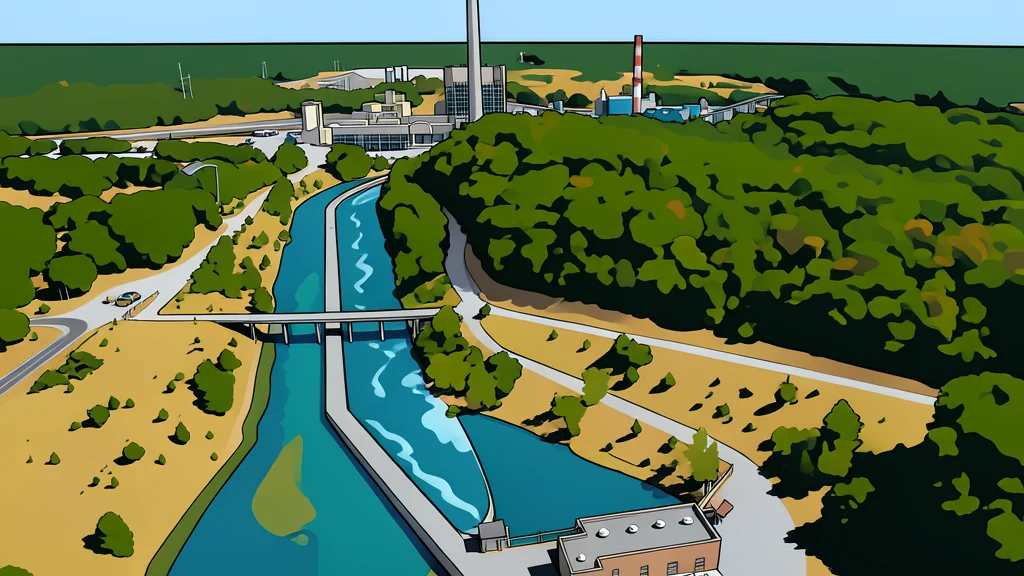
Saudi Arabia Halts East-West Pipeline After Drone Strike
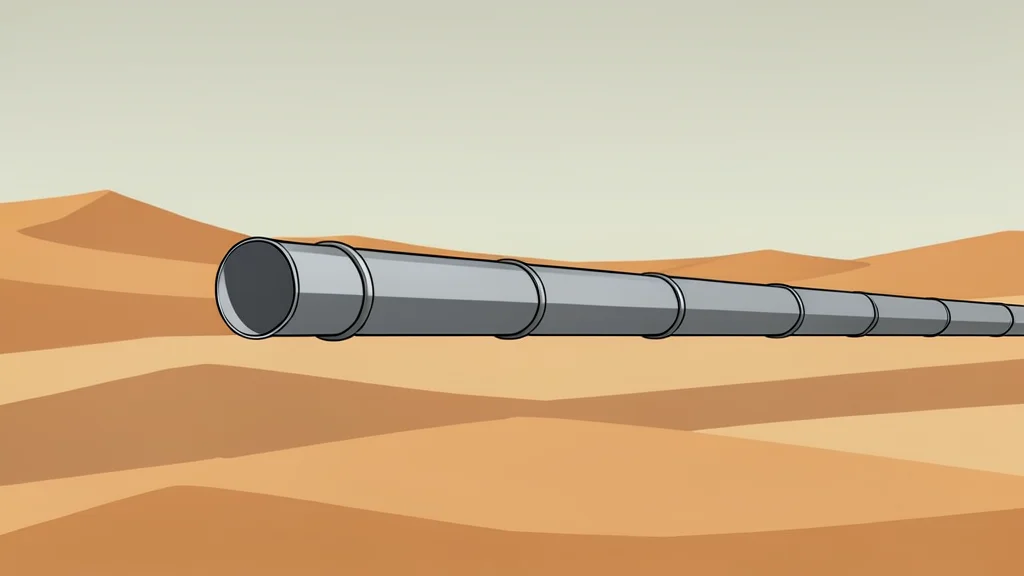
Riyadh suspends the 1,200km East-West pipeline, a critical artery carrying 4-5 million barrels daily, following a drone attack attributed to Iraqi territory, disrupting a key alternative to the blocked Strait of Hormuz.
Saudi Arabia has temporarily shut down its East-West pipeline, a 1,200km conduit that has become the primary export route for global crude supplies since the Strait of Hormuz was largely closed by conflict. The suspension follows a drone attack that both Riyadh and Baghdad state originated from within Iraq, marking a significant escalation in the regional energy crisis.
The pipeline currently transports between four and five million barrels per day, representing 4% to 5% of global oil supply. This volume has shielded Saudi Arabia from the full impact of the disruption affecting other Gulf exporters. The attack resulted in injuries and physical damage to infrastructure south of Madinah, with satellite imagery confirming smoke rising from the site, though the Saudi foreign ministry has not yet quantified the specific impact on export volumes.
Strategic Shift to Overland Routes
For the past six months, the East-West pipeline has served as the main exit point for Middle East oil, bypassing maritime chokepoints. With the Strait of Hormuz inaccessible due to war, this land-based route is critical for maintaining supply chains. The International Energy Agency reported that Saudi crude supply has already fallen to its lowest level in over three decades, partly due to attacks on ships in the Bab al-Mandeb strait. Losing this pipeline removes the primary hedge against maritime disruption.
Diplomatic Friction and Military Response
The attack has intensified diplomatic pressure on Iraq, which maintains ties with both the United States and Iran. In response, Baghdad dismissed the military commander and police chief in Maysan province, a region near the Iranian border where Iran-backed militias operate, and closed the main border crossing. Saudi Arabia has refrained from direct military retaliation against Iraqi targets so far, a decision made at the request of the Iraqi prime minister, according to the Saudi foreign ministry.
US President Donald Trump stated that Iran is likely responsible for the strike. He confirmed a call with Saudi Crown Prince Mohammed bin Salman, during which the prince requested US military assistance against the Houthis. Washington indicated it would provide intelligence support but would not intervene directly. Trump also noted that Houthi leaders had contacted the US administration to request non-intervention, highlighting the complex web of alliances and conflicts in the region.
Market Impact and Supply Risks
The closure threatens to push energy prices higher, as oil markets have already seen a sharp rise in the past week. In the United States, retail diesel prices have surged past a record of $6 per gallon. The disruption is compounded by Houthi advances in Yemen, where they have seized the strategic island of Perim in the Bab al-Mandeb strait. This development risks extending the disruption to another major oil route, further constraining global supply options.