Court Blocks Extension of Michigan Coal Plant Operations
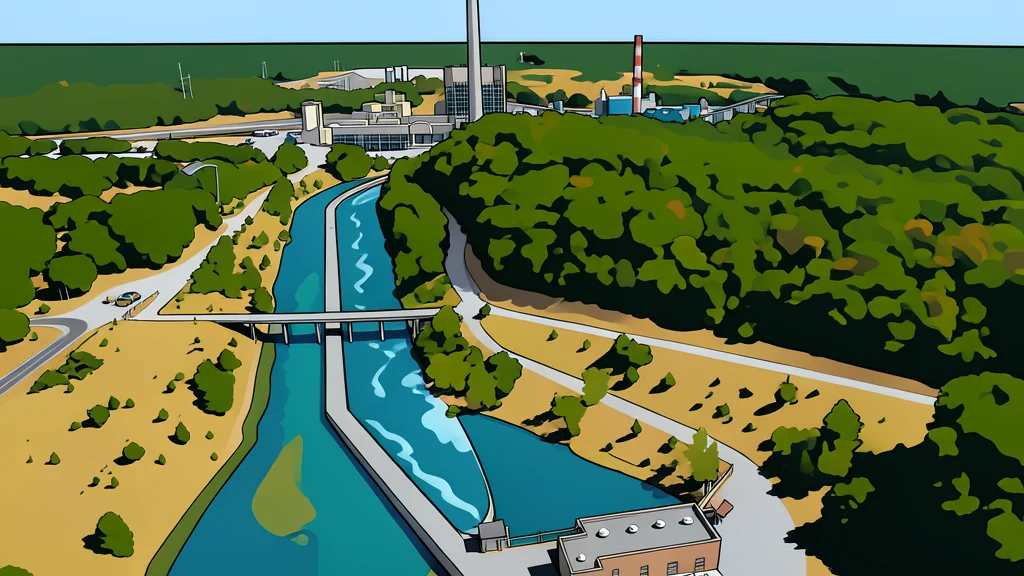
A federal appellate court has invalidated the emergency order that kept the J.H. Campbell Generating Plant open, ruling that the power was misused for long-term capacity planning.
The U.S. Court of Appeals for the District of Columbia Circuit has struck down the federal order that extended the operational life of the J.H. Campbell Generating Plant. The three-judge panel unanimously ruled that the emergency provisions of the Federal Power Act were incorrectly applied to prevent the retirement of the 64-year-old coal facility. This decision reverses an intervention by Energy Secretary Chris Wright, who had invoked emergency powers to keep the plant and several others operating through August 2026.
The ruling comes after environmental groups and the states of Michigan, Illinois, and Minnesota challenged the Energy Department’s actions. Judge Cornelia Pillard, writing for the panel, emphasized that the legal statute in question is a narrow, last-resort backstop intended for immediate crises, not for managing future electricity availability. The court found that overriding the plant’s carefully planned retirement schedule created disruptive outcomes that fell outside the scope of the authorized emergency powers.
Financial Impact of Extended Operations
Financial filings indicate that keeping the Campbell plant online beyond its scheduled retirement date has incurred significant costs. Critics of the administration’s energy policy estimate that the extension has cost approximately $259 million so far. These figures reflect the operational expenses required to maintain the aging infrastructure during the period it was kept active against its original retirement timeline in May 2025.
Rationale for Emergency Intervention
Secretary Wright initially defended the order by arguing that the plant was necessary to ensure grid reliability in the Midwest during peak summer demand. He stated that maintaining critical power generation capability was essential to prevent blackouts as electricity demand reached high levels. The administration positioned the coal plant as a valuable asset for peak capacity events, asserting that reliable sources are most critical during periods of stress on the grid.
Legal Interpretation of Federal Authority
The court’s decision clarifies the boundary between immediate emergency response and long-term energy planning. By ruling that the Federal Power Act does not support keeping retired plants open for future capacity concerns, the panel limited the executive branch’s ability to use emergency statutes for broader policy goals. This legal interpretation affects other coal plants that were similarly kept open through August 2026 under the same administrative orders.