Court Invalidates Federal Order Keeping Michigan Coal Plant Open
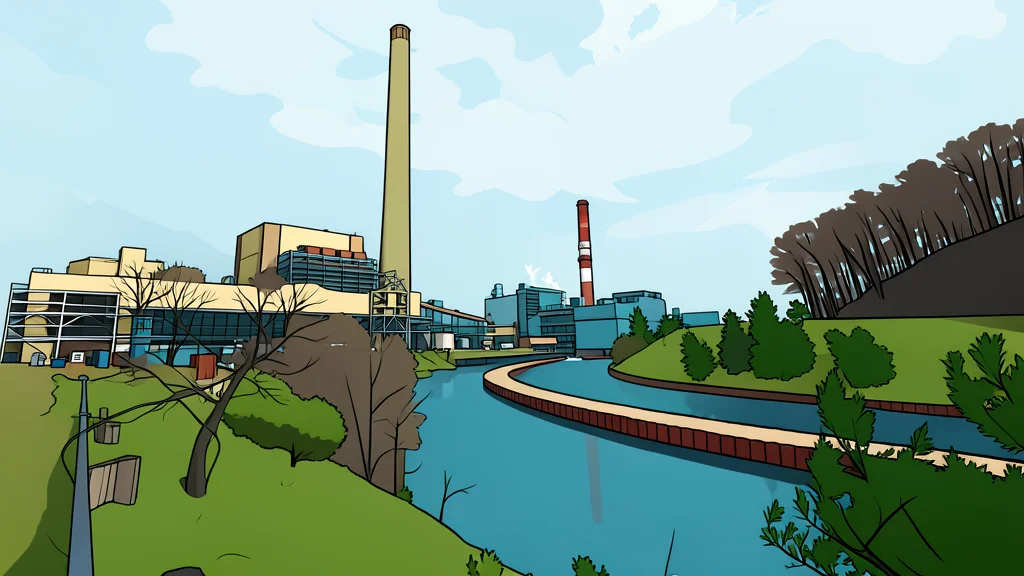
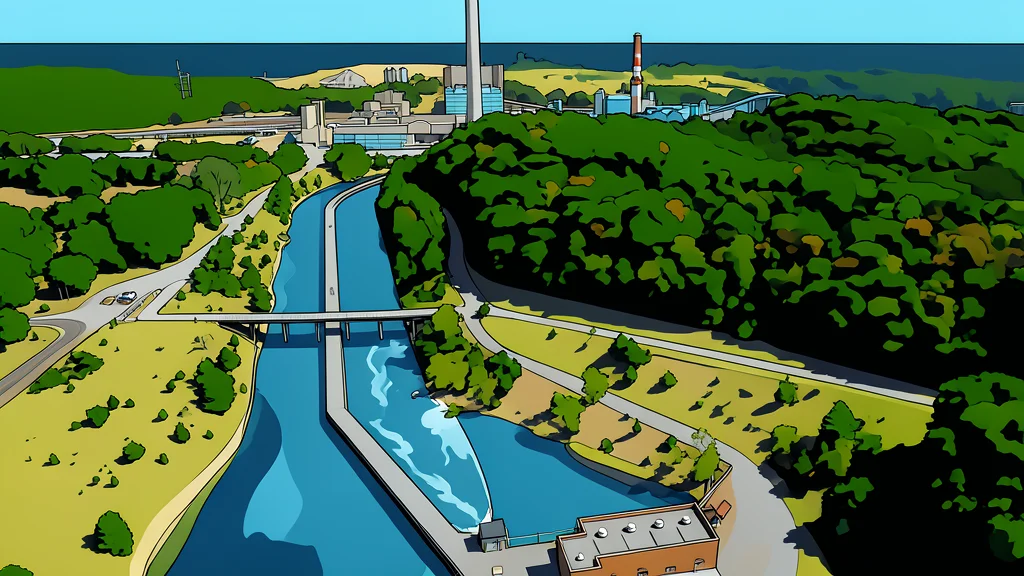
A federal appeals court struck down the emergency directive that forced Consumers Energy to keep the JH Campbell coal plant operational, ruling the administration overstepped its legal authority.
The US Court of Appeals for the District of Columbia Circuit issued a unanimous decision invalidating the first of six emergency orders issued by the Trump administration to maintain operations at the JH Campbell coal plant in Michigan. The ruling determines that the Department of Energy abused its statutory powers under the Federal Power Act by invoking emergency provisions without sufficient evidence of an imminent grid failure.
Despite the legal victory for state regulators and environmental groups, the plant remains online. Consumers Energy stated it is continuing to comply with the current 90-day order, which is one of five additional directives issued by Energy Secretary Chris Wright since May 2025. The company is reviewing the ruling while maintaining operations, a status quo that has already incurred $259 million in costs for Michigan ratepayers.
Judicial rejection of emergency powers
Judge Cornelia Pillard, writing for the panel, emphasized that federal intervention in energy markets must serve as a narrow, last-resort backstop. The court found that the administration failed to provide specifics regarding the severity, timing, or likelihood of the alleged power shortage. This lack of concrete evidence contradicted the requirement for a genuine emergency, which the court noted is a rare circumstance under the Federal Power Act.
The decision was a direct response to a lawsuit filed by Michigan Attorney General Dana Nessel, who argued the administration was fabricating an energy crisis to protect fossil fuel interests. Nessel stated that the ruling confirms the government cannot bypass the rule of law to favor specific energy sources against the interests of residents. The court agreed that vague fears of blackouts do not justify overriding state-level energy planning and market stability.
Financial impact on ratepayers
The economic burden of keeping the Campbell plant open has become a central point of contention. The plant was originally scheduled to close in May 2025, a transition that was expected to save customers approximately $600 million by shifting to cheaper natural gas generation. Instead, the prolonged operation of the coal facility has cost $259 million as of August, a figure that continues to rise with each 90-day extension.
Consumers Energy has noted that the decision to keep the coal plant running contradicts long-range energy projections from state and regional regulators, which showed no risk of power shortages. The company had already purchased a natural gas plant to offset the capacity lost from the coal facility, making the continued coal operations a redundant and expensive expense for the utility’s customer base.
Department of Energy defense
The Department of Energy defended its actions, with spokesperson Emily Mathews claiming the emergency orders prevented blackouts and likely saved hundreds of lives. However, the agency provided no evidence to substantiate these claims in the face of the court’s findings. The administration maintains that protecting energy security requires federal oversight during periods of high demand, even when state regulators do not identify a threat to grid reliability.
The conflict highlights a broader regulatory battle over the role of federal agencies in state-level energy markets. While the court struck down the initial order, the administration’s strategy of issuing successive 90-day extensions remains in effect for the remaining five orders. This approach allows the federal government to maintain operational control over the plant despite the judicial rejection of the underlying emergency justification.