US Army Allocates $2.2B to Transportable Nuclear Microreactors
The U.S. Army has selected five contractors for a $2.2 billion program to deploy truck-transportable nuclear microreactors at military bases, targeting operational status by 2028.
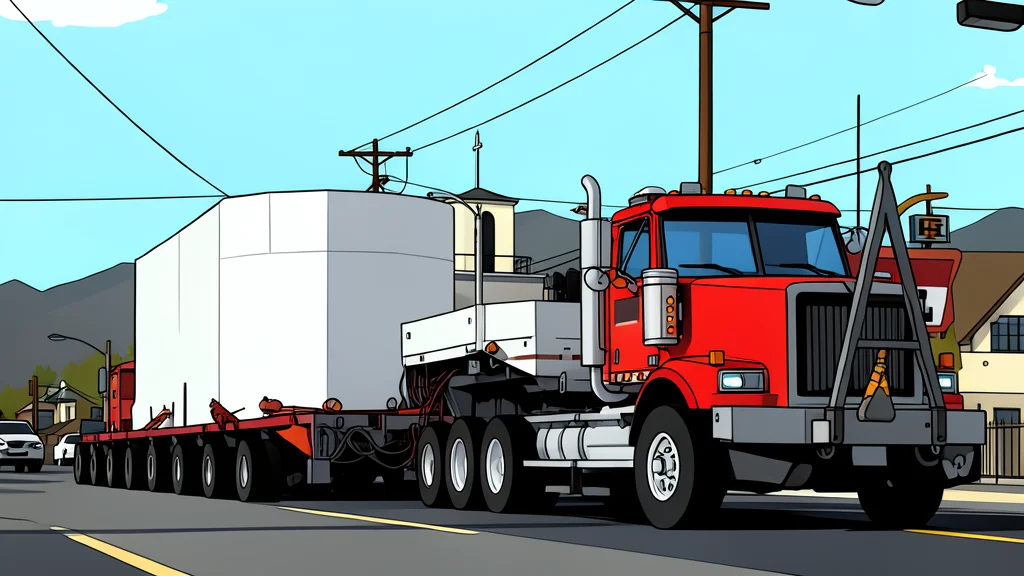
The U.S. Army has committed up to $2.2 billion in federal funding to the Janus microreactor program, selecting five companies to build power systems small enough to ship by road, sea, or air. This initiative aims to place at least one operational nuclear reactor on a military base by September 30, 2028, marking a significant shift toward decentralized, mobile energy infrastructure for defense installations.
By pairing specific vendors with designated posts, the Army seeks to bypass the long construction timelines associated with traditional nuclear plants. The selected firms will develop factory-built units that generate between 1 and 20 megawatts of thermal energy, providing a rapid deployment solution for remote bases and emergency response scenarios where grid stability is compromised.
Five Contractors Selected for Base Deployment
The Army has assigned specific nuclear firms to five military installations, creating a distributed testing and deployment network. Antares Nuclear is paired with Fort Bragg in North Carolina, while BWX Technologies will serve Fort Campbell in Kentucky. General Atomics has been assigned to Fort Hood in Texas, Radiant Industries to Fort Benning in Georgia, and Westinghouse Government Services to Fort Drum in New York.
These assignments align with Executive Order 14299, which designates the Army as the lead agency for military nuclear energy efforts. By distributing the technology across multiple regions, the program allows for parallel development and testing, reducing the risk associated with relying on a single deployment site. This structure also facilitates the integration of microreactors into existing base infrastructure, which typically relies on diesel generators or grid connections.
Microreactor Specs Differ From Modular Units
Microreactors are distinct from small modular reactors, or SMRs, in both scale and application. While SMRs can produce up to 300 megawatts of electric power, the microreactors in this program are designed for lower output, typically between 1 and 20 megawatts of thermal energy. This smaller footprint allows for factory fabrication and rapid transport, a capability that larger SMRs generally lack due to their size and weight.
The technology relies on higher concentrations of uranium-235 compared to conventional reactors, enabling compact core designs. This efficiency is critical for the military's needs, where space and weight are constrained. The shift toward these smaller units reflects a broader industry trend, with companies like Aalo in Texas achieving sustained chain reactions in record time, signaling that the engineering challenges of scaling down nuclear systems are being addressed.
Strategic Goals And Industry Challenges
The program supports the administration's goal to quadruple U.S. nuclear generation by 2050. However, the transition from prototype to operational status faces hurdles related to waste management, security, and upfront costs. Jeff Waksman, the principal deputy assistant secretary of the Army for installations, energy and environment, noted that the Army intends to drive the industry past its current development phase, describing the initiative as a spearhead for advanced reactor adoption.
While the federal funding provides a critical initial push, developers still require billions in private capital to scale manufacturing and certification. The Army's involvement lends regulatory and operational credibility to the technology, potentially attracting further investment from private entities looking to enter the military and remote utility markets. As the September 2028 deadline approaches, the focus will remain on validating the safety and reliability of these transportable nuclear systems in real-world military environments.