CREG Dominates Heavy Rare Earth Separation Amidst Import Surge

China Rare Earth Group controls the strategic midstream chokepoint, processing 98% of global heavy rare earth oxides while integrating Myanmar and Malaysian feedstocks.
China Rare Earth Group (CREG) has consolidated its position as the dominant processor of heavy rare earth elements (HREEs) by centralizing separation capacity under its state-controlled umbrella. As documented by GN auto stocks/materials: rare earths, CREG’s May 2024 operational roster lists 35 smelting and separation enterprises across nine provinces. This network allows the group to control the economic value chain regardless of upstream mine ownership, effectively decoupling supply security from geological location.
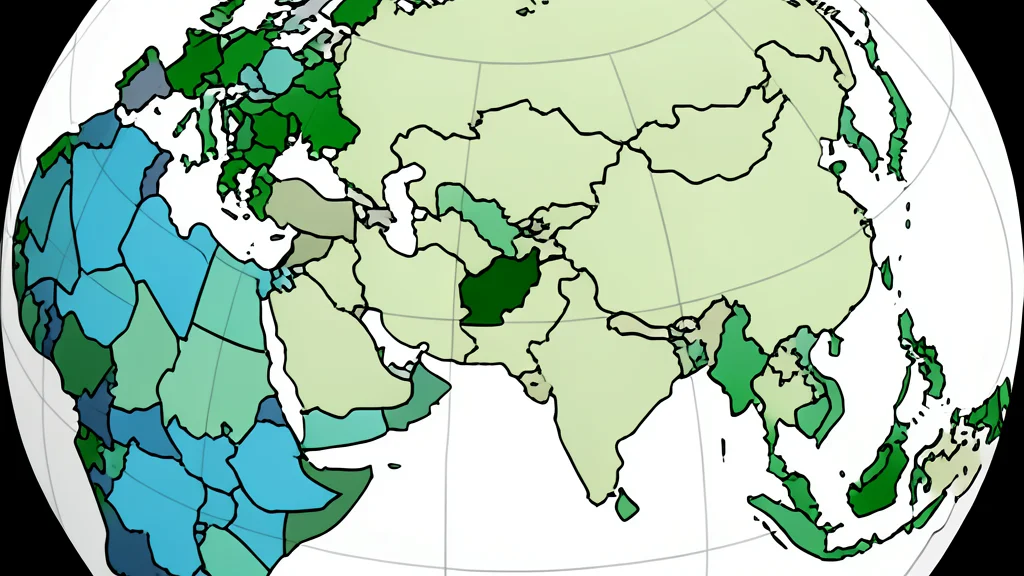
The strategic significance of this midstream concentration is underscored by the fact that approximately 98% of global dysprosium and terbium are separated into high-purity oxides in China. While mining operations are scattered across Myanmar, Laos, and Malaysia, the chemical processing bottleneck remains firmly within CREG’s licensed facilities. This structure creates a clear corporate bridge for feedstock entering the Chinese system, even where direct mine ownership remains opaque.
Myanmar Imports Exceed Domestic Mining Quotas
CREG’s supply chain is heavily dependent on imported heavy rare earth oxides from Myanmar. Data indicates that China imported 41,700 tonnes of Myanmar HREE material in 2023, a volume more than double the country’s domestic mining quota for heavy rare earths. Public records link CREG subsidiaries, including Yunnan Baoshan Rare Metals and Rare Earth Co., to these import channels, with documented facilities in Longling and Jianghua identified as consumers of this feedstock.
The ownership structure of the Myanmar mines remains largely opaque, with border operators facilitating the movement of ionic clay into the Chinese processing network. However, the dependency is demonstrable through the volume of imports and the technical know-how provided by Chinese suppliers for leaching chemistry. This arrangement allows CREG to control the economics of the resource without necessarily holding title to the upstream deposits.
Malaysian Feedstock Enters CREG System
Beyond Myanmar, CREG has integrated Malaysian resources into its processing network. MCRE Resources has been exporting rare earth carbonate into the CREG system since February 2023. This supply chain utilizes technology supplied by a subsidiary of Chinalco, highlighting the broader state-coordinated approach to securing HREE feedstocks. The integration of these external sources reinforces the concentration of separation capacity in China.
The Laos connection provides another clear corporate ownership bridge via a CREG-linked joint venture in Houaphanh. Unlike the Myanmar situation, where ownership is obscured by opaque trading entities, the Laos project offers a more direct link between CREG and upstream resources. This diversification of feedstock sources ensures a steady flow of dysprosium and terbium into the 35 operating plants managed by the group.
Midstream Control Defines Strategic Value
The concentration of HREE processing in China creates a strategic chokepoint that is distinct from mine location. HREE ores require technically demanding, multi-stage chemical separation to produce high-purity oxides, a process where CREG holds a dominant commercial advantage. This midstream dominance allows the group to influence global pricing and supply availability for critical components in electric vehicles, wind turbines, and defense systems.
Investors and policymakers must recognize that the true strategic asset is not the raw earth but the separation infrastructure. With CREG controlling the majority of the world’s HREE separation capacity, the group’s operational efficiency and feedstock access dictate the global supply landscape. The documented flow of materials from Myanmar, Laos, and Malaysia into this centralized network confirms the effectiveness of this midstream control strategy.