Huawei Targets 2027 Chip Launches Amid Nvidia Constraints
Huawei plans to release two advanced AI processors in 2027, leveraging new interconnect technology to challenge Nvidia's dominance in the Chinese market.
Huawei Technologies has confirmed plans to launch two new artificial intelligence chips in 2027, marking a significant acceleration in its domestic hardware strategy. Rotating Chairman David Wang announced that the 960DT will debut in the first quarter, followed by the Ascend 960PR in the third quarter. This roadmap directly addresses the constrained access Chinese firms have to Nvidia's most advanced GPUs due to U.S. export controls, pushing Huawei to close the performance gap through volume and efficiency.
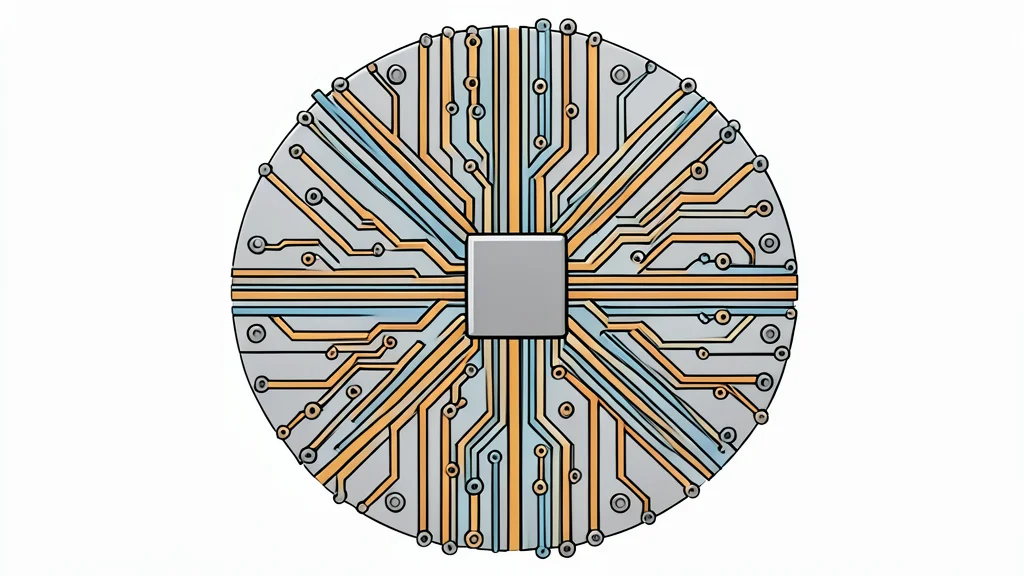
The company is simultaneously developing a proprietary interconnect solution known as UnifiedBus. This technology is designed to link massive arrays of AI processors into a single, high-efficiency computing system. By enabling faster data communication between chips, Huawei aims to allow clusters of domestic processors to deliver computing capacity comparable to fewer, more advanced foreign units, thereby mitigating the impact of restricted access to top-tier Nvidia hardware.
UnifiedBus Enables Processor Scaling
According to reports from Reuters, Huawei has already developed eleven semiconductors utilizing the UnifiedBus architecture. The technology allows the company to construct large-scale superclusters that can connect up to one million AI processors. This architectural shift is critical because, without unrestricted access to Nvidia's leading-edge silicon, Chinese enterprises must rely on aggregating larger numbers of locally produced chips to meet their computational demands.
The efficiency of this approach depends heavily on the speed and bandwidth of the communication links between individual processors. By optimizing these connections, Huawei seeks to reduce the latency penalties typically associated with multi-chip systems. This strategy is part of a broader industry push toward self-reliance, as Washington continues to impose strict controls on the export of advanced AI chips and semiconductor manufacturing equipment to China.
Domestic Ecosystem Gains Traction
The hardware push is accompanied by significant growth in the software ecosystem. Huawei has reported thousands of active developers working within its AI platform, highlighting the importance of software support alongside hardware deployment. This development is mirrored across the Chinese tech sector, where Tencent-backed startup Enflame Technology recently listed on the Shanghai Stock Exchange. Enflame shares nearly tripled on their first day of trading, signaling strong investor confidence in the domestic AI chip supply chain.
Nvidia remains the global leader in AI computing, with its GPUs and software stack widely adopted by developers worldwide. However, the company's access to the Chinese market remains uncertain. While the U.S. government has permitted limited sales of Nvidia's H200 chips, actual shipments have been minimal. Recent reports indicate that only a very small number of H200 units have begun reaching Chinese customers, creating a vacuum that Huawei and other local competitors are moving to fill.
Market Dynamics Shift In China
The competitive landscape is evolving as Chinese technology companies prioritize domestic alternatives. The restriction on advanced semiconductor exports has forced a structural change in procurement strategies, favoring local suppliers who can offer integrated hardware and software solutions. Huawei's 2027 roadmap serves as a benchmark for this shift, positioning the company as a primary alternative to Nvidia in the region.
Investors are watching how these new chips perform in real-world applications, particularly in large-scale data centers. The success of the 960DT and Ascend 960PR will depend on their ability to handle complex AI workloads efficiently. As reported by GN auto stocks/technology: chip stocks, the trajectory of these domestic efforts could redefine the global AI hardware market, reducing reliance on U.S. technology and altering the competitive balance in the sector.