Chubu Electric Scraps Hamaoka Restarts After Data Fraud
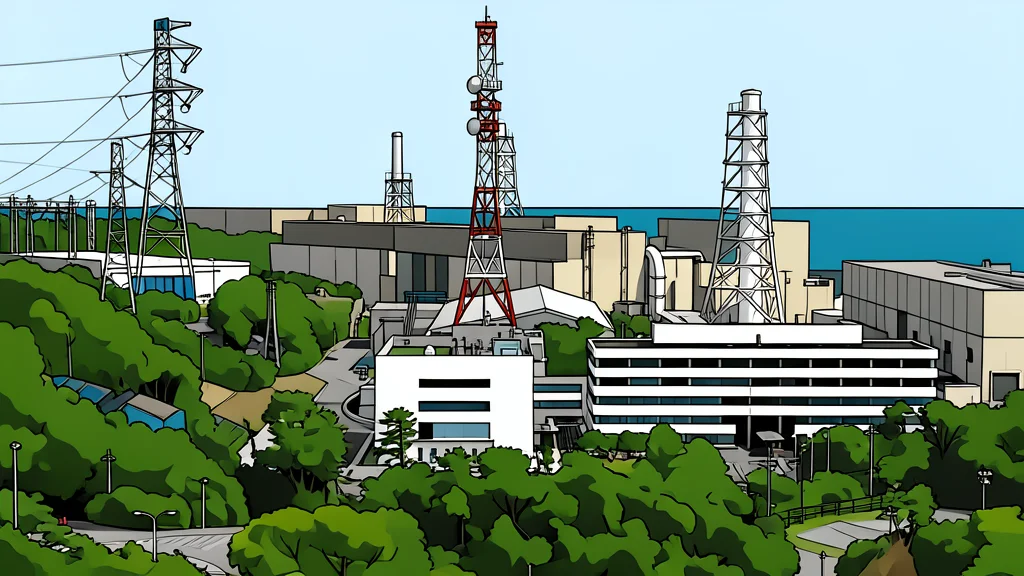
Chubu Electric Power is abandoning its bid to restart two Hamaoka reactors and replacing top leadership after admitting it submitted flawed seismic data to regulators.
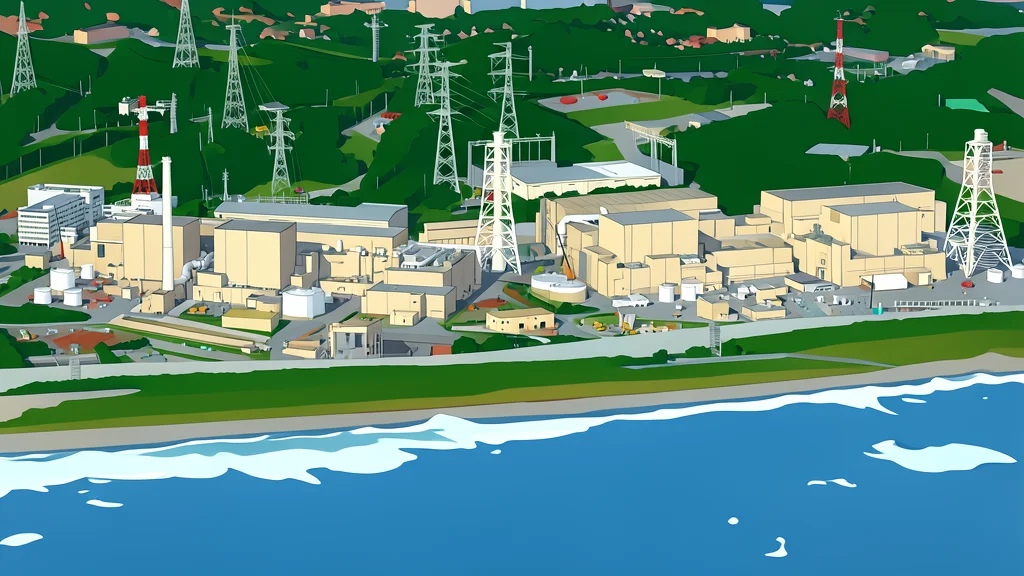
Chubu Electric Power will withdraw its application to restart two reactors at the Hamaoka nuclear plant, a direct consequence of a scandal involving manipulated earthquake data. President Kingo Hayashi and chairman Satoru Katsuno are set to resign, according to reports from public broadcaster NHK and other local media outlets. The company, which operates the facility in Shizuoka prefecture, faces a halt in its regulatory review process after admitting it underestimated seismic risks in submissions to the Nuclear Regulation Authority.
The decision to abandon the restart plans follows a 250-page report by an independent panel released on Monday. The investigation concluded that management pressure contributed to the misconduct, specifically citing reprimands over delays in the safety review as a factor that pushed employees to alter data. This admission forced the Nuclear Regulation Authority to suspend its safety checks in late December, effectively freezing the company’s ability to bring the units back online.
Seismic data fraud halts regulatory review
The core of the dispute centers on the estimate of maximum seismic ground motion, a critical parameter for designing nuclear plants to withstand earthquakes. In September 2023, the regulator approved Chubu Electric’s estimate of 1,200 gal, a unit measuring ground acceleration. However, a whistleblower alerted the authority in February of the following year to possible data fraud. This revelation triggered a suspension of the safety review, leaving the company without the necessary approvals to resume operations at Hamaoka.
The Hamaoka plant is located near a significant seismic fault line, an area identified as vulnerable to major earthquakes. The Nikkei business daily reported that Chubu Electric will formally withdraw its safety review application, effectively ending its current push to restart the two affected units. The company’s leadership changes aim to address the internal culture issues that allowed the data manipulation to occur, although the regulatory path to restarting the reactors remains blocked.
National energy strategy faces operational setback
This setback complicates Japan’s broader effort to revive nuclear power to reduce dependence on imported fossil fuels. The country is seeking to meet rising electricity demand driven by artificial intelligence and achieve carbon neutrality by 2050. The Hamaoka incident occurs against a backdrop of heightened seismic concerns, with the Japan Meteorological Agency issuing a special advisory in 2024 regarding the possibility of a megaquake in the Nankai Trough area.
Despite the Hamaoka controversy, other facilities are resuming operations. The Kashiwazaki-Kariwa plant, the world’s largest nuclear facility, restarted earlier this year. For Chubu Electric, the loss of the Hamaoka restart option represents a significant reduction in available generation capacity. The company must now navigate the fallout from the data scandal while adjusting its long-term grid contribution plans in a market increasingly reliant on nuclear baseload power.
Leadership turnover addresses internal compliance failures
The resignation of President Hayashi and Chairman Katsuno signals a structural response to the compliance failure. The independent panel’s findings highlighted that the pressure to meet restart timelines created an environment where data integrity was compromised. Chubu Electric is expected to hold a press conference to detail the new leadership structure and the specific measures being implemented to prevent similar misconduct in the future.
The incident underscores the tension between regulatory timelines and safety verification in Japan’s nuclear sector. By withdrawing the application, Chubu Electric acknowledges that the current data foundation is insufficient to secure regulatory approval. This move prioritizes long-term reputational stability over short-term capacity additions, though it leaves the company with a smaller fleet of operational reactors during a period of increased national energy demand.