Shell Swaps Pennsylvania Gas Plant for New England Asset
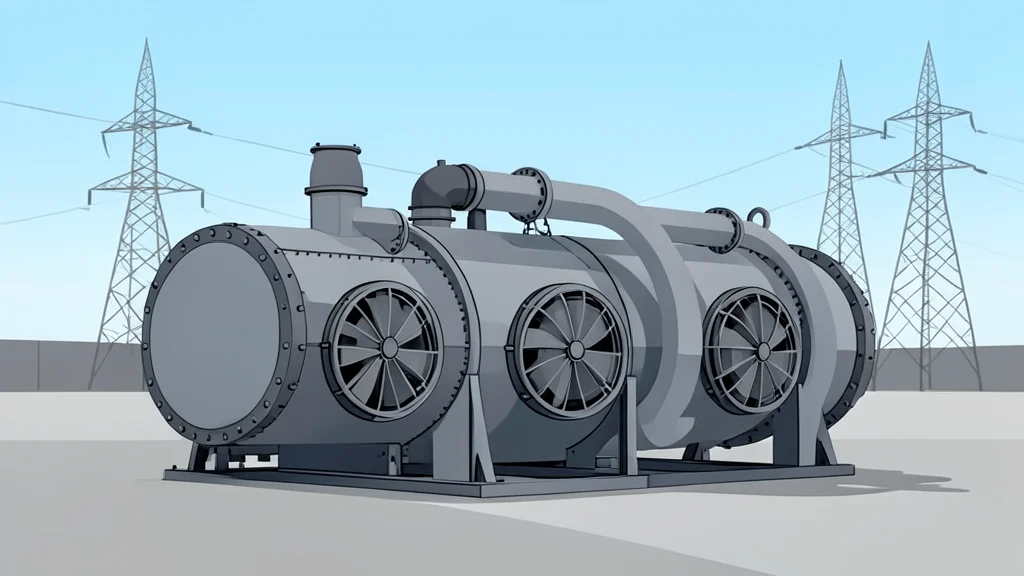
Shell PLC is restructuring its US gas portfolio by acquiring a 169-MW Pennsylvania plant while divesting a 609-MW facility in Rhode Island for $715 million.
Shell PLC has agreed to acquire the 169-megawatt Hunlock Creek Generating Station in Pennsylvania, a move designed to secure supply and capacity offtake for its subsidiary Shell Energy North America (SENA) within the PJM Interconnection grid. The asset, currently owned by Riverview Power Holdings LLC, a unit of Castleton Commodities International, includes a two-unit 125-MW combined-cycle plant and a 44-MW simple-cycle peaking unit. Shell did not disclose the purchase price but stated the acquisition strengthens its position in the Mid-Atlantic wholesale electricity market.
Concurrently, Shell is selling the Rhode Island State Energy Center, a 609-MW combined-cycle gas facility, to Constellation Energy Generation LLC for $715 million. The Rhode Island plant operates within the ISO New England market. Andrew Smith, Shell’s president for trading and supply, described the paired transactions as a dynamic approach to managing the trading portfolio, allowing the company to realize value from longer-term ownership while selectively investing in assets that optimize its market position.
Asset Swap Details
The acquisition targets the PJM grid, the largest wholesale electricity market in the United States, where SENA aims to leverage strengths in trading and optimization. By securing Hunlock Creek, Shell gains increased access to flexible power plants and battery energy storage systems in a region critical to its asset-backed trading strategy. The divestiture of the Rhode Island asset allows Shell to accelerate the return on investment it originally expected from longer-term ownership, converting a potential long-term gain into an immediate significant profit.
Constellation Energy, the buyer of the Rhode Island facility, stated that the acquisition supports its growing merchant generation portfolio in New England. Joe Dominguez, Constellation’s chair and CEO, noted that the asset is well-positioned on both the electric grid and natural gas pipeline infrastructure, providing the reliability needed for the company’s expanding operations in the region. This transaction marks a shift in Shell’s geographic and operational focus within the US power sector.
Broader Portfolio Restructuring
These gas plant transactions are part of a wider strategy to prioritize investment in areas where Shell holds differentiated capabilities, such as customer-focused energy solutions and flexible generation capacity. Earlier, Shell agreed to divest a four-gigawatt portfolio of in-the-pipeline onshore renewable energy projects in Europe to TotalEnergies SE. The deal includes 500 MW of operational solar and wind assets in Italy and the Netherlands, along with 3.5 GW of pipeline projects across Italy, Spain, and the United Kingdom. Shell expects to complete this European sale by year-end, subject to government approval.
Shell’s capital allocation discipline is further evidenced by its July agreement to sell Solenergi Power Private Ltd, an Indian solar and wind supplier, to Aditya Birla Renewables Ltd for $1.8 billion. The Indian asset included 3.3 GW of peak operating capacity and 1.7 GWp of contracted capacity. By exiting these renewable and gas assets, Shell is refocusing its capital on core power trading and optimization activities, aligning its portfolio with markets where it can maximize value through strategic positioning and operational flexibility.
Market Positioning Strategy
Shell’s strategy centers on maintaining a disciplined approach to capital allocation while remaining ready to realize value when market conditions present attractive opportunities. The company is shifting away from long-term ownership of non-core assets toward a model that emphasizes trading, optimization, and access to flexible generation. This approach allows Shell to respond dynamically to wholesale electricity market fluctuations, securing capacity in key regions like PJM while exiting markets where it can generate higher immediate returns through divestiture.