NPCIL Starts Fuel Loading at RAPP-8 to Hit 700 MWe Target
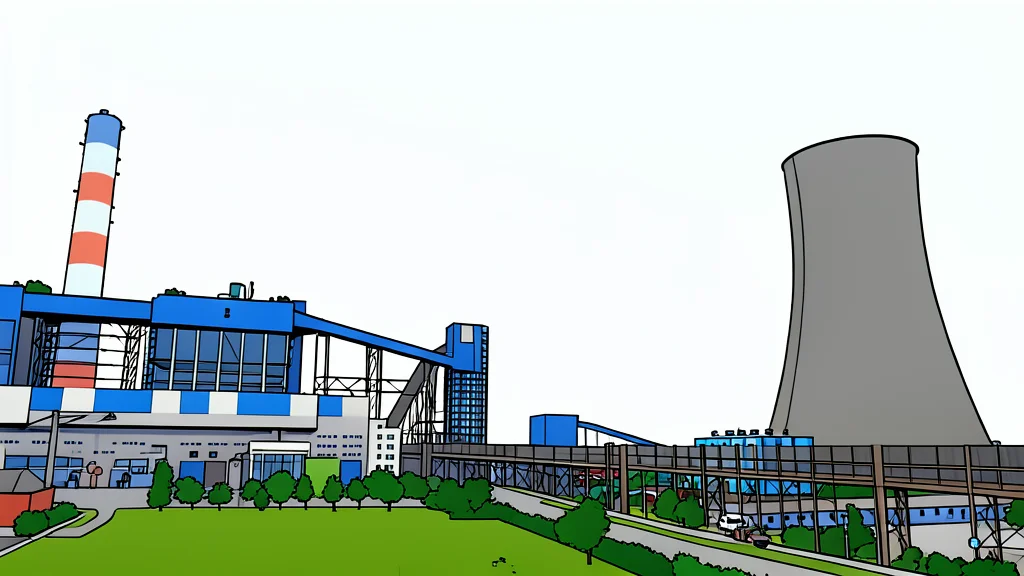
NPCIL began initial fuel loading at Rajasthan Atomic Power Project Unit 8, targeting commercial operation within six to eight months.
Key points
- NPCIL began initial fuel loading at RAPP Unit 8, a 700 MWe reactor expected to be commercial within six to eight months.
- RAPP-8 is the fourth of 16 planned indigenous 700 MWe reactors, following units at Kakrapar and RAPP Unit 7.
- Geotechnical work for RAPP Units 9 and 10 started, while eight other reactors remain under construction across India.
Nuclear Power Corporation of India Limited (NPCIL) has initiated the initial fuel loading process at Unit 8 of the Rajasthan Atomic Power Project in Rawatbhata. This 700-megawatt-electric pressurised heavy water reactor is scheduled to begin commercial operations during the current financial year, marking a significant milestone in the company's deployment schedule.
The regulatory pathway for this phase was cleared by the Atomic Energy Regulatory Board after extensive safety evaluations and site readiness reviews. According to the state-owned enterprise, the interval from fuel loading to commercial operation typically spans six to eight months, with the next technical step being the First Approach to Criticality.
Unit 8 joins standardized reactor fleet
This unit represents the fourth addition to a planned series of 16 indigenous 700 MWe reactors. The first two, located at Kakrapar in Gujarat, entered service in the 2023-24 fiscal year, while RAPP Unit 7 came online in April 2025.
NPCIL states that the progress at Rawatbhata reinforces the standardization of the reactor design, supporting a strategy of continued fleet-mode deployment. This approach aims to streamline construction and operational processes across multiple sites to meet India's expanding nuclear energy targets.
Construction pipeline expands across states
Beyond the active commissioning at RAPP-8, the company is actively managing a broader construction portfolio. NPCIL currently has eight other reactors under construction, distributed across Gorakhpur in Haryana, Kaiga in Karnataka, and Kudankulam in Tamil Nadu.
Simultaneously, geotechnical investigations for Units 9 and 10 at the Rawatbhata site began on September 19. As reported by The Indian Express, these foundational studies are a prerequisite for the next phase of development at the site, ensuring long-term capacity growth in the region.